

Beijing, March 2025 – Despite escalating geopolitical risks in the Middle East, China's exports have demonstrated strong resilience, becoming a key force supporting stable domestic economic growth. A new research report by Singapore's UOB (United Overseas Bank) points out that Chinese manufacturers, through diversified market layouts and a mature industrial chain system, have effectively responded to the uncertainty of the global trade environment, maintaining sustained export growth.
In the first quarter of 2025, China's total exports increased by approximately 8.7% year-on-year, significantly better than market expectations. Among them, consumer electronics and communication equipment became the main growth engines, while exports of new energy vehicles achieved a year-on-year surge of 42%, demonstrating the global competitiveness of Chinese manufacturing in the green transition. Behind this performance is the combined effect of deeply integrated regional supply chains, a stable exchange rate environment, and a diversified export network covering Asia, Europe, and the Americas.
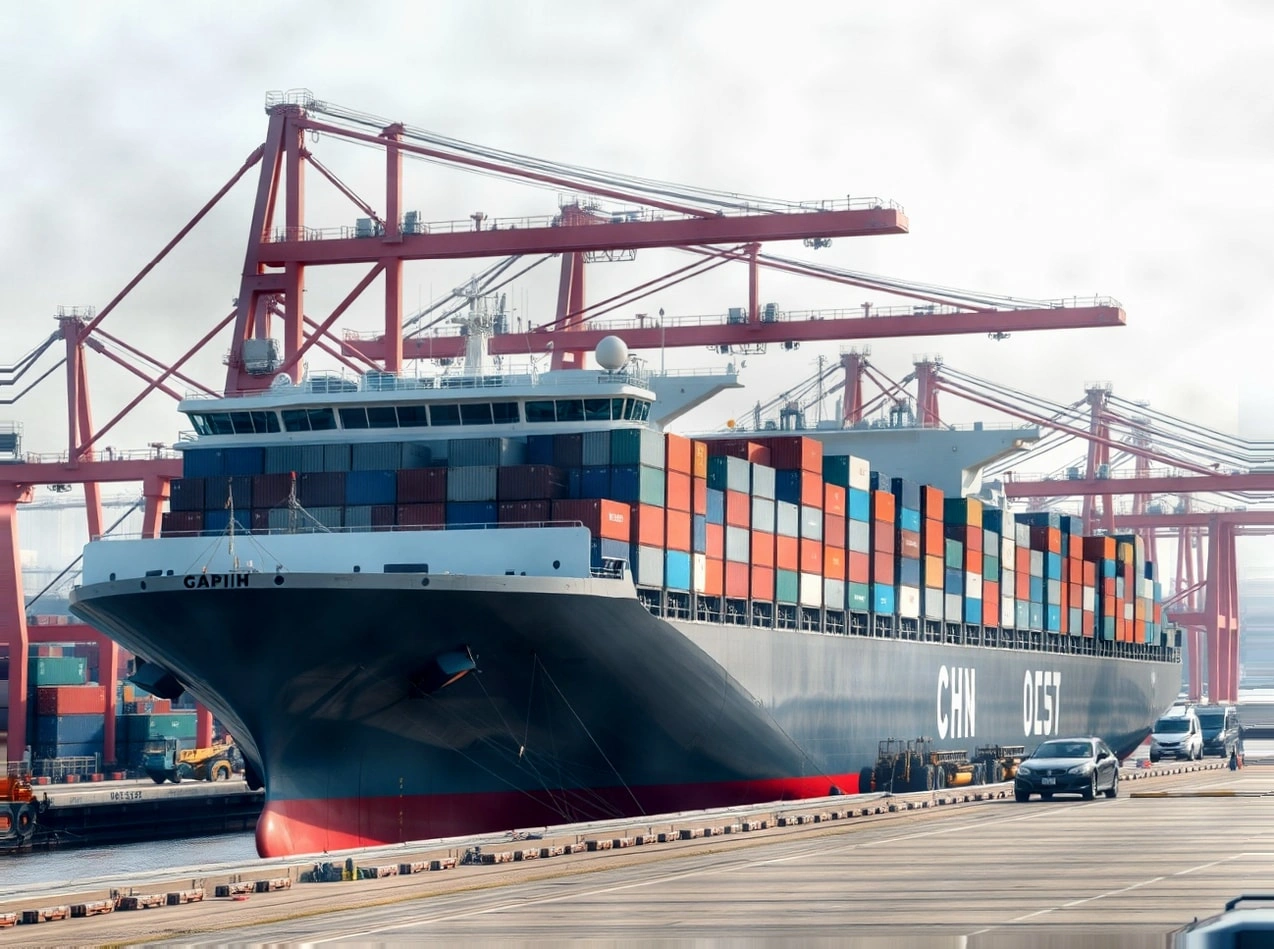
However, the uncertainty in the Middle East is posing substantial pressure on China's international trade routes. The region accounts for 18% of China's total crude oil imports and is also an important shipping hub to Europe. Recently, increased shipping risks in the Red Sea and the Strait of Hormuz have led insurance companies to raise premiums for related routes by 25% to 40%, directly increasing transportation costs and extending delivery cycles.
To avoid risks, some companies have begun to explore alternative routes, such as navigating around the Cape of Good Hope in Africa. However, this move will extend the voyage from Asia to Europe by 14 to 18 days, which not only increases warehousing and capital occupation costs but also places higher demands on inventory management. Some manufacturers have begun to build strategic safety stocks, but this requires additional capital investment, which may crowd out resources originally used for technology upgrades or market expansion.
The UOB analysis team pointed out that the resilience of China's exports is not accidental but a comprehensive reflection of long-term industrial policies, infrastructure investment, and global market adaptability. Although the current challenges should not be underestimated, China's structural position in the global supply chain is still difficult to replace in the short term. In the future, how to strike a balance between ensuring logistics security and controlling costs will become the core issue for Chinese foreign trade companies to cope with the new situation.