

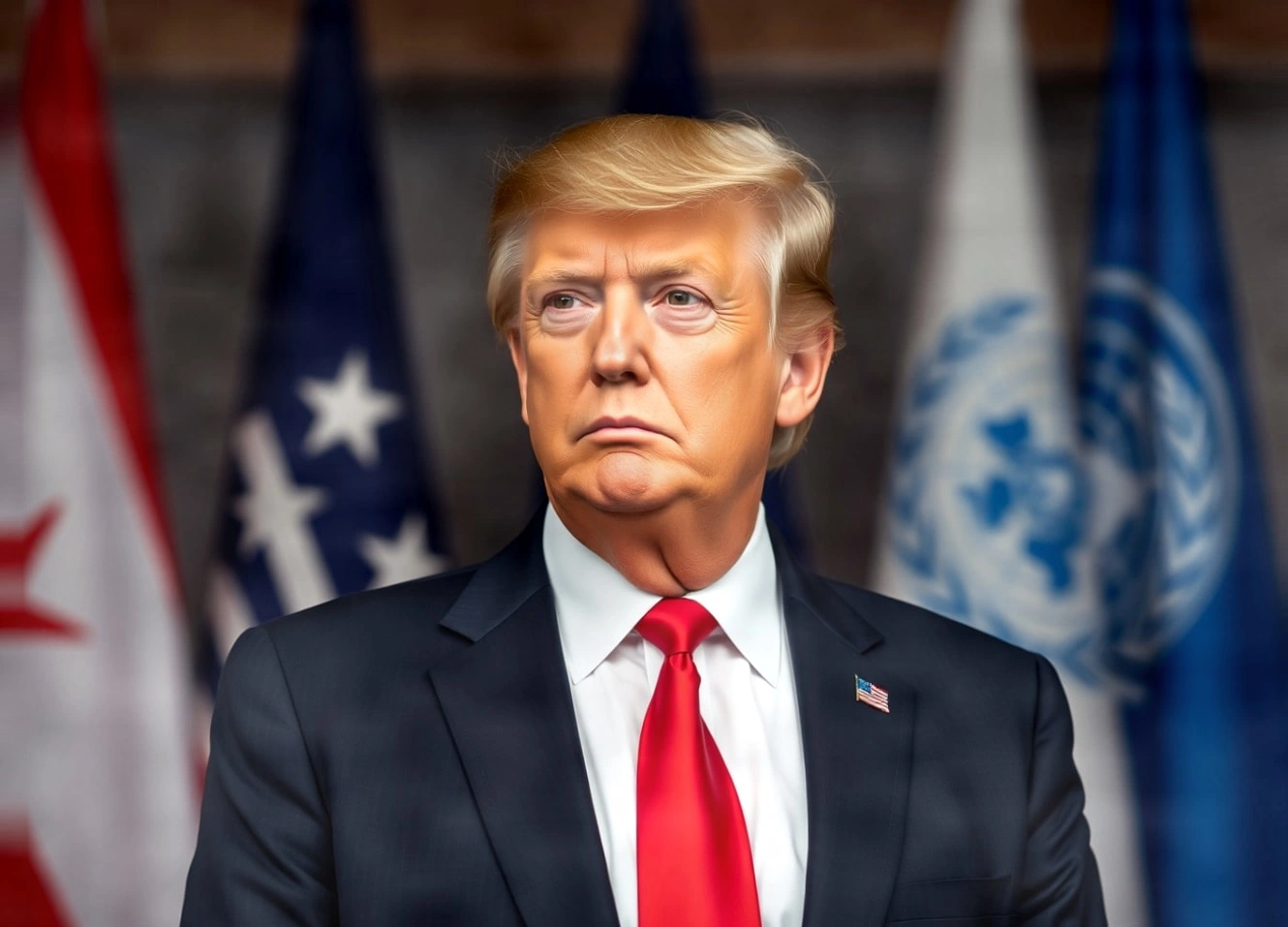
Former President Trump has fundamentally altered the diplomatic landscape by declaring that Iran's return to negotiations is "irrelevant." This statement has had far-reaching effects in capitals around the world, marking a significant shift in traditional diplomatic engagement strategies. This declaration is not merely a rhetorical stance; it reflects a carefully considered strategic reorientation that has profound implications for Middle Eastern stability, nuclear non-proliferation efforts, and America's diplomatic position globally.
Trump's Comments on Iran Negotiations: Background and Immediate Reactions
President Trump reportedly stated that he does not care whether Iran returns to negotiations, and he is indifferent to their non-participation. This position comes against a complex geopolitical backdrop, with multiple international actors actively seeking to restore the Joint Comprehensive Plan of Action (JCPOA), the Iran nuclear deal. This statement immediately elicited reactions from European allies, regional partners, and diplomatic observers closely monitoring U.S.-Iran relations.
Moreover, this statement was made amid escalating tensions between Washington and Tehran. The Trump administration first withdrew from the JCPOA in 2018 and implemented a so-called "maximum pressure" campaign, applying pressure through extensive economic sanctions. As a result, Iran gradually resumed its previously restricted nuclear activities, with uranium enrichment nearing weapon-grade levels. Meanwhile, the Biden administration has attempted to restart negotiations through indirect talks in Vienna and Doha, but the tangible outcomes of these efforts have been limited ahead of the 2024 election cycle.
Strategic Considerations Behind Ignoring Diplomatic Engagement
Several strategic considerations may have contributed to this indifference towards renegotiating with Iran. First, the regional security architecture has changed significantly since 2018. The Abraham Accords have normalized relations between Israel and several Arab nations, creating new alliances that may reduce the perceived threat from Iran through collective security arrangements. Additionally, Saudi Arabia and Iran restored diplomatic relations in 2023, mediated by China, altering traditional regional fault lines.
Second, domestic political considerations in the U.S. have played a crucial role. The original JCPOA faced considerable bipartisan criticism, with opponents arguing that the agreement failed to address Iran's ballistic missile program and regional proxy activities. Furthermore, a hardline stance against Iran resonates with certain voter demographics who view Iran as an uncompromising adversary. Third, new pressure mechanisms have emerged, including tighter coordination of international sanctions enforcement and enhanced maritime security cooperation among regional partners.