

In early 2026, global financial markets are once again facing volatility as a sharp rise in energy prices prompts a reassessment of inflation and monetary policy. According to CoinDesk, the price of UAE's Murban crude oil has surpassed $100 per barrel, reaching a multi-month high. This change is widely attributed to disruptions in key shipping lanes due to geopolitical tensions in the Middle East.

Rising oil prices typically translate into higher inflation expectations, prompting central banks to maintain high interest rate policies for longer periods, thereby tightening market liquidity. Against this macroeconomic backdrop, the price movements of digital assets are significantly affected. Bitcoin recently retreated from a high of $74,000 to around $69,000. The market generally believes that short-term price fluctuations are still dominated by macro factors rather than technical drivers.
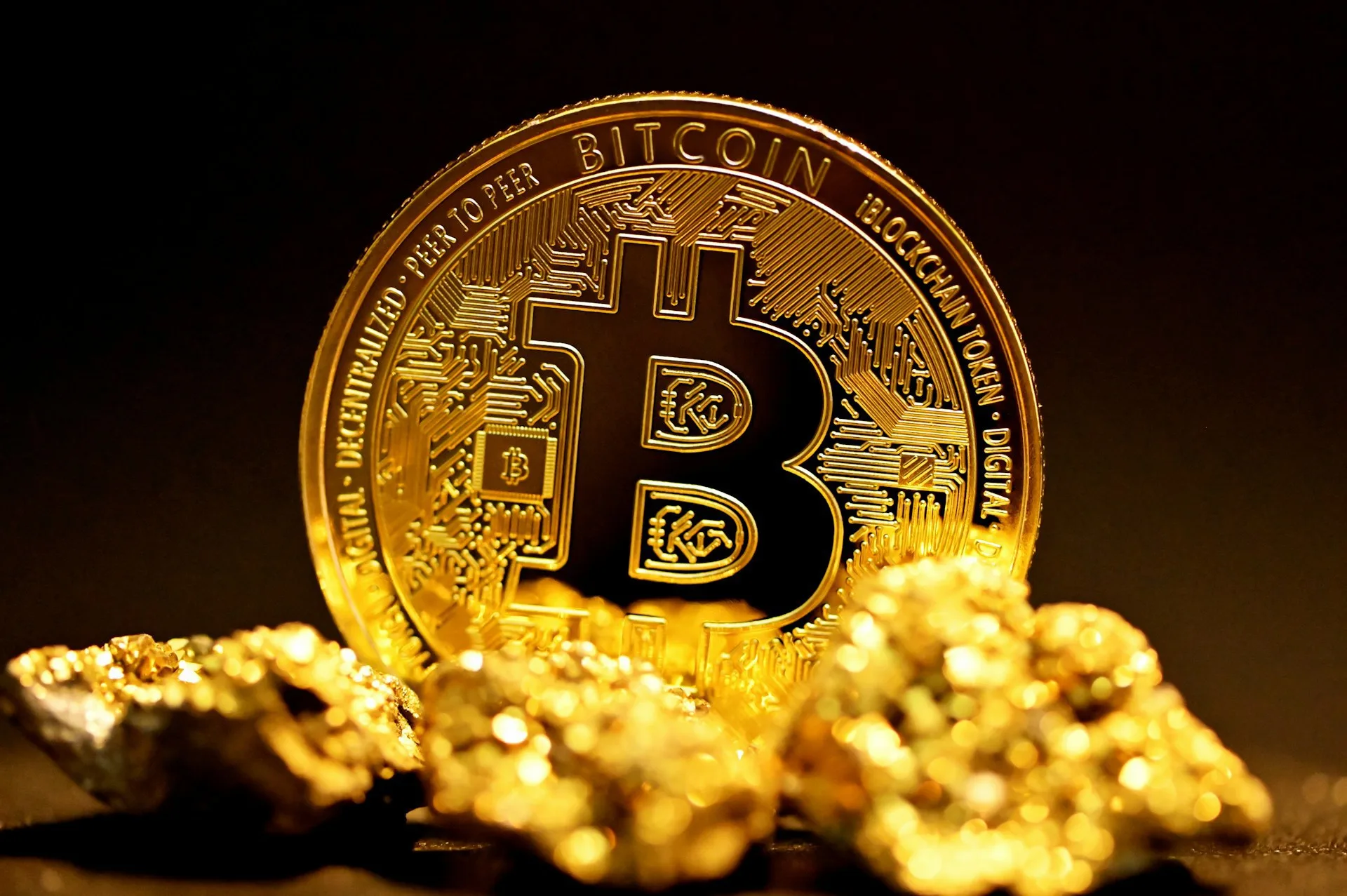
As a hybrid asset with both risk and safe-haven attributes, Bitcoin often faces a tug-of-war of dual narratives when geopolitical conflicts escalate. On the one hand, tightening liquidity suppresses speculative sentiment. On the other hand, fiscal expansion and sovereign currency credit dilution triggered by war may strengthen its long-term appeal as digital gold. Historical data shows that in long-term conflict environments, decentralized assets often gain favor due to hedging demand against fiat currency systems.
Meanwhile, the Stage 11 presale phase of the emerging project APEMARS is attracting market attention. The current presale price is $0.000107, while the planned public listing price is $0.0055, representing a potential increase of up to 5,040%. This tiered pricing mechanism is designed to reward early participants rather than encourage late-stage speculation. To date, 12.4 billion $APRZ tokens have been sold, raising approximately $291,000, with over 1,357 holders. Community activity continues to rise, demonstrating strong initial momentum for the project.
While Bitcoin grapples with the macro environment, XRP is accelerating its institutional-grade implementation process, seeking to broaden financial application scenarios through compliant cooperation. Although short-term market sentiment is constrained by changes in liquidity, in the long run, the value foundation of crypto assets still lies in their scarcity, decentralization, and global adoption potential. Investors should pay more attention to project fundamentals and long-term narratives rather than short-term price fluctuations.