

The US has proposed a 20-year suspension of Iran's uranium enrichment program in recent diplomatic talks, aiming to address nuclear proliferation and regional security issues. However, Iran's response reveals significant differences in the proposed timeframe.
Framework for the Proposed 20-Year Suspension of Uranium Enrichment
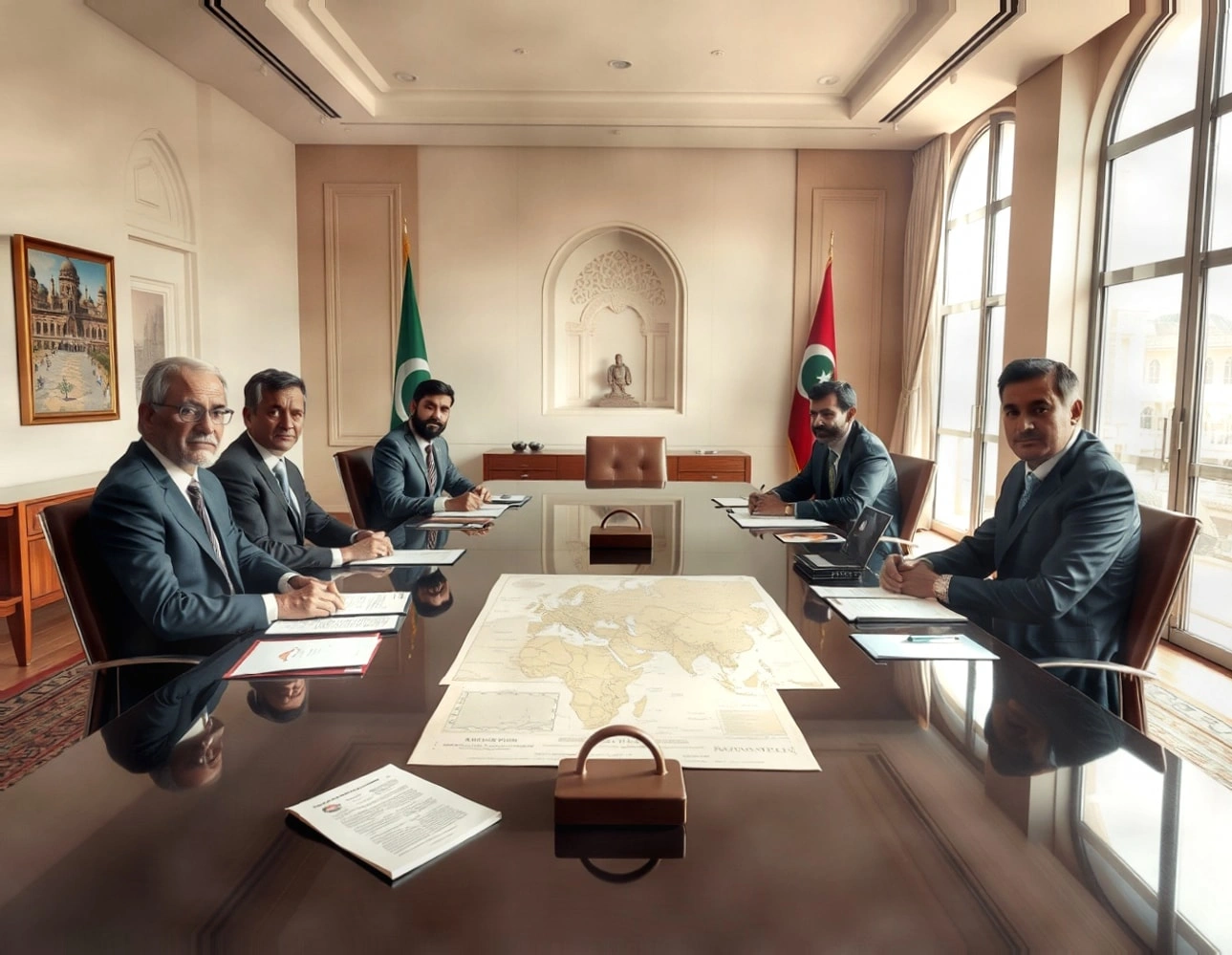
US negotiators presented a comprehensive framework during talks in Islamabad, demanding that Iran halt all uranium enrichment activities for the next twenty years. Multiple sources indicate that the proposal includes several interconnected components aimed at addressing nuclear proliferation issues and regional stability. Reports suggest that the US proposed to suspend military actions targeting Iran and partially unfreeze some of Iran's sanctioned international assets.
In exchange, Washington requires Tehran to commit to three main stipulations. First, Iran must completely cease uranium enrichment within 20 years. Second, Iran is to transfer all existing stocks of highly enriched uranium to international regulatory bodies. Third, Iran must ensure unrestricted and permanent passage through the Strait of Hormuz, a crucial global oil transport route. These demands reflect ongoing Western concerns regarding Iran's nuclear capabilities and their potential regional implications.
Iran's Response to the Proposal and Negotiation Dynamics
The Iranian delegation's response has been to propose a significantly shorter suspension timeframe, which has become a major obstacle in the negotiations. While the specifics of Iran's counter-proposal remain confidential, regional analysts believe Tehran may suggest a suspension period of only two to five years. This substantial gap in positions highlights the fundamental differences in perspectives on the appropriate duration for nuclear issues and trust-building measures.
Several factors influence Iran's negotiating stance. The country has invested considerable resources over decades to develop its nuclear infrastructure. Additionally, domestic politics and national pride play significant roles in Tehran's decision-making. Regional experts note that Iran typically seeks to maintain at least some level of nuclear capability as a technological achievement and potential leverage in future negotiations. The current dispute over the timeframe reflects deeper strategic divergences between the parties involved.
Historical Context and Previous Negotiations
This latest round of negotiations occurs against the complex backdrop of past nuclear agreements and regional tensions. The Joint Comprehensive Plan of Action from 2015...