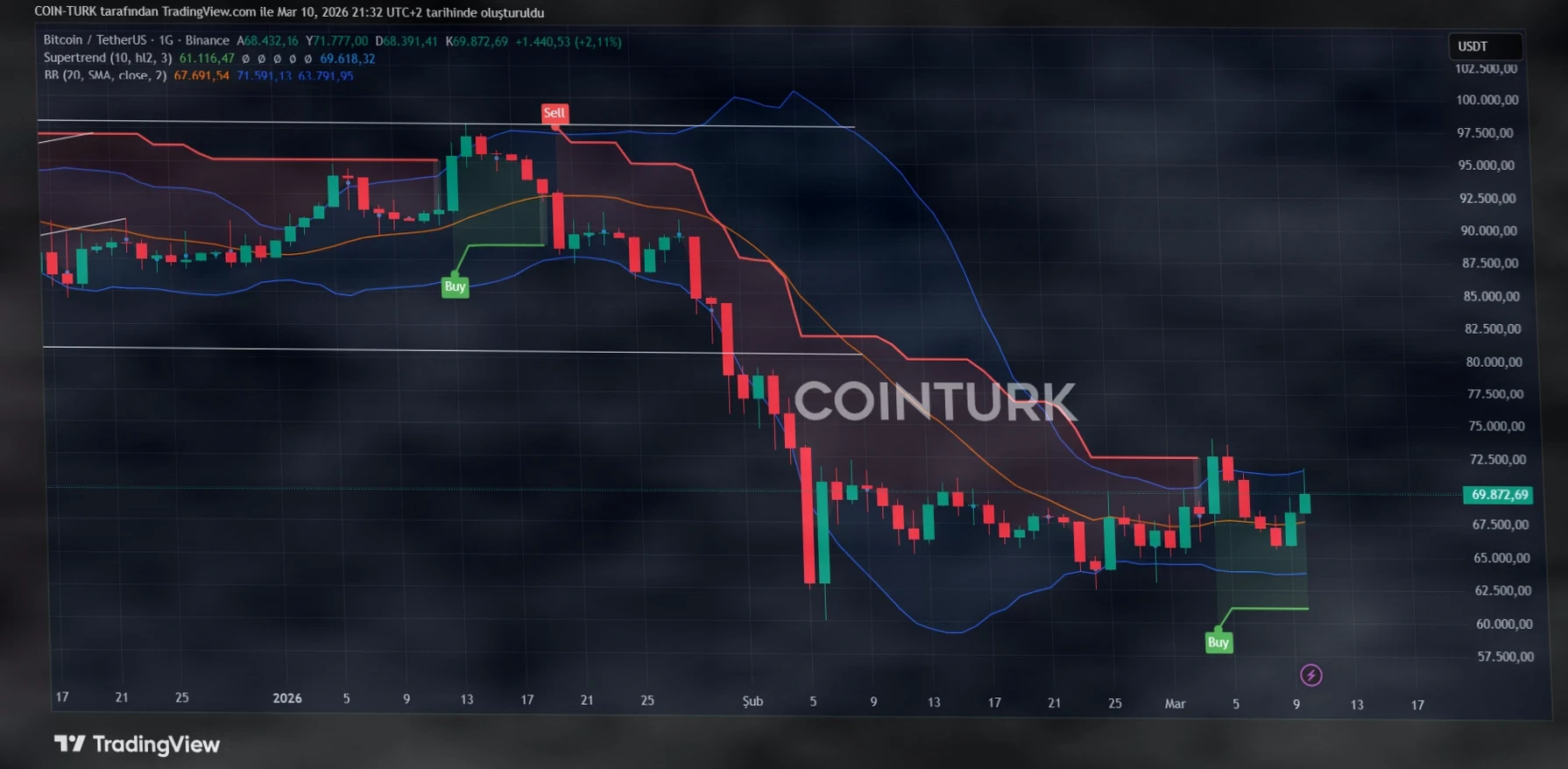
Suspected mine deployment in the Strait of Hormuz heightens energy security concerns, driving oil price volatility and dragging Bitcoin below $70,000. Geopolitical risks are deeply intertwined with the crypto market, and investors are closely monitoring the situation.
The Strait of Hormuz, a critical global energy transit route responsible for approximately 20% of international oil shipments, directly impacts global oil prices and financial market stability. Earlier this month, Brent crude oil prices surged to $120 per barrel due to regional tensions, spreading market panic. Subsequently, as parties signaled de-escalation, oil prices retreated to around $90. However, recent reports suggest Iran may have deployed mines in the strait, reigniting concerns about a potential blockade. Despite ongoing U.S. Navy escorts, the risk to tanker passage has significantly increased.
This development raises questions: If the U.S. previously claimed to have crippled Iran's naval capabilities, how could it still deploy mines? According to multiple intelligence sources, Iran retains a large number of small vessels and mine-laying devices capable of deploying hundreds of mines in short order. A substantial blockade of the strait could halt the global oil supply chain for months, triggering an unprecedented energy crisis. If Iranian officials confirm the action, market risk aversion could intensify, pushing down prices of risk assets like Bitcoin. Conversely, if Tehran denies involvement or signals de-escalation, the crypto market could rebound.
Former U.S. President Trump addressed the situation on social media: "If Iran has indeed deployed mines in the Strait of Hormuz without public disclosure, we demand immediate removal! Any delay will invite an unprecedented military response. Timely removal of the mines would be a key step towards peace!" However, Trump also implied that there is no definitive intelligence confirming the allegations. This information ambiguity provides the market with a brief respite, allowing Bitcoin to recover slightly, reflecting investors' attempts to find balance amidst uncertainty.
Currently, the correlation between geopolitics and financial markets is increasingly tight. Developments in the Strait of Hormuz are no longer just military news; they are becoming a direct variable influencing crypto asset prices. Amidst official statements and rumors, Bitcoin's volatility is becoming a digital reflection of global unease.
0 comment A文章作者M管理员
No Comments Yet. Be the first to share what you think
❯
Profile
Search
Checking in, please wait...
Click for today's check-in bonus!
You have earned {{mission.data.mission.credit}} points today