Escalating geopolitical tensions drive Bitcoin's weekly volatility beyond $13,000. Decentralized exchanges become the core of global real-time trading, and the value of crypto assets as non-sovereign safe-haven instruments is being reassessed.
As the US and Israel's military actions against Iran enter their second week, global financial markets are experiencing heightened volatility, with the cryptocurrency market emerging as a new safe haven for risk-averse capital. While traditional trading markets are closed on weekends, decentralized exchanges (DEXs), with their 24/7 operation, have rapidly taken over the price discovery function for crude oil, gold, and risk assets, becoming the de facto global real-time trading hub.
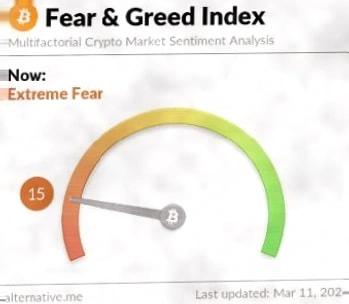
Bitcoin's price has seen a dramatic fluctuation of nearly $13,000 in just 11 days, dropping from $65,500 to as low as $63,000, pushing market sentiment to "extreme fear" levels (Fear & Greed Index at 15). This volatility is not an isolated event but a result of the resonance between geopolitical risks and capital flows.
Iran's alleged $7.8 billion cryptocurrency shadow economy has sparked international scrutiny of its capital flows. Analysts hold diverging views on this: some believe that war itself has limited impact on crypto prices; others point out that if Brent crude oil prices remain above $80, it will reinforce reflation expectations, causing the Federal Reserve to postpone interest rate cuts, indirectly benefiting Bitcoin.
QCP Capital notes that while Bitcoin has not fully established itself as "digital gold," its practical value as a "digital escape route" is becoming increasingly apparent, especially in Gulf countries. Faced with exchange rate volatility and political uncertainty, crypto assets are becoming an important tool for local residents to preserve their wealth.
CoinShares' Head of Research, James Butterfill, further analyzes that if geopolitical conflicts continue to undermine trust in the global financial system, Bitcoin, as a scarce and non-sovereign asset, is likely to gain a structural premium. However, energy-driven inflationary pressures may also drag down traditional risk assets, creating a complex game.
Currently, the US is still demanding Iran's unconditional surrender, while the new Supreme Leader, Mohammad Khamenei, has vowed never to yield. With no signs of a ceasefire in the war, market expectations are highly uncertain, and the volatility of crypto assets may continue to serve as a barometer of global political trends.
0 comment A文章作者M管理员
No Comments Yet. Be the first to share what you think
❯
Profile
Search
Checking in, please wait...
Click for today's check-in bonus!
You have earned {{mission.data.mission.credit}} points today