

Ghana has officially launched its first shared 5G network, marking a significant step forward in enhancing the quality of the country's communication infrastructure. Currently, the network service supporting both 4G and 5G is operational in parts of major cities such as Accra, Kumasi, and Tamale. This network construction is led by Next Gen InfraCo (NGIC), which has been authorized by the government to build and operate a national wholesale 4G and 5G infrastructure.
According to the "Wholesale Electronic Infrastructure License" issued by the government, NGIC is permitted to deploy a shared network architecture nationwide. This means that multiple telecom operators, including MTN Ghana, Telecel, and AT Ghana, can provide 5G services to end users and businesses through access to this shared platform without the need to build independent networks. This model significantly reduces redundant investment costs and enhances resource utilization efficiency.
NGIC CEO Tenu Awonoor stated that the core value of shared infrastructure lies in concentrating resources to expand coverage rather than duplicating equipment construction. This move not only helps optimize spectrum usage but also leaves room for technological innovation and competition in the retail market.
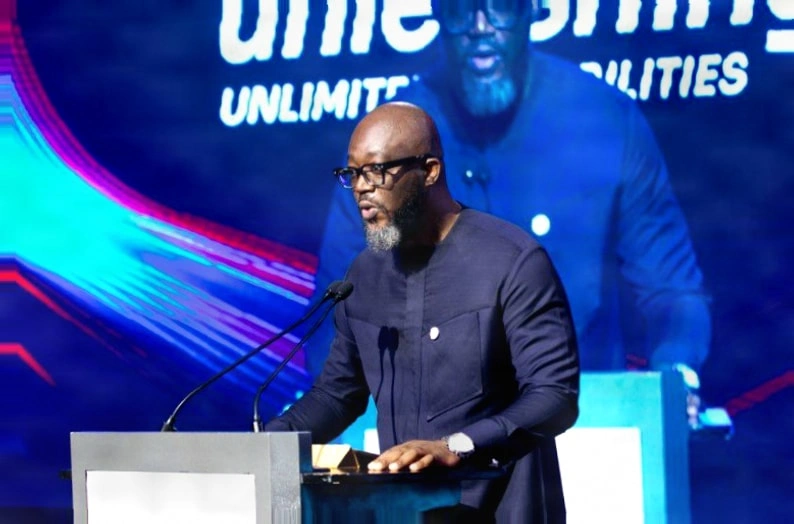
The Ghanaian government has set an ambitious goal: to achieve 70% 5G coverage for the population by 2027. Although the current network has just launched and there is still a significant gap to the target, Awonoor emphasized that achieving this goal requires collaborative efforts from the government, businesses, and the technology ecosystem. The network, originally planned for commercial use in June 2025, has been delayed due to technical and approval processes, with the government now setting a final deadline of the end of 2025. If not completed on time, the government reserves the right to renegotiate the licensing terms and allow other operators to build independent 5G networks.
Currently, 5G services are not yet available to the public. Users will only be able to access the services once telecom operators complete their access agreements with the NGIC platform and commence commercial operations. The Ghanaian communications regulatory authority has previously committed to fully launching 5G services by the end of 2026, laying the foundation for the country's digital transformation.