

Ripple CEO Brad Garlinghouse recently stated that 2026 is poised to be a pivotal turning point for XRP's development. This assessment is based on the company's strategic deployments and technological upgrades in global markets in recent years, particularly its in-depth exploration of the integration of artificial intelligence and financial infrastructure.
After completing on-site visits to teams in Dublin, London, Singapore, and Sydney, Garlinghouse emphasized that Ripple has built an international team with diverse perspectives through the acquisition of companies such as GTreasury, Hidden Road, Rail, Palisade, and Solvexia. These new forces are helping the company break down internal barriers and respond more flexibly to the financial needs of different regional markets.
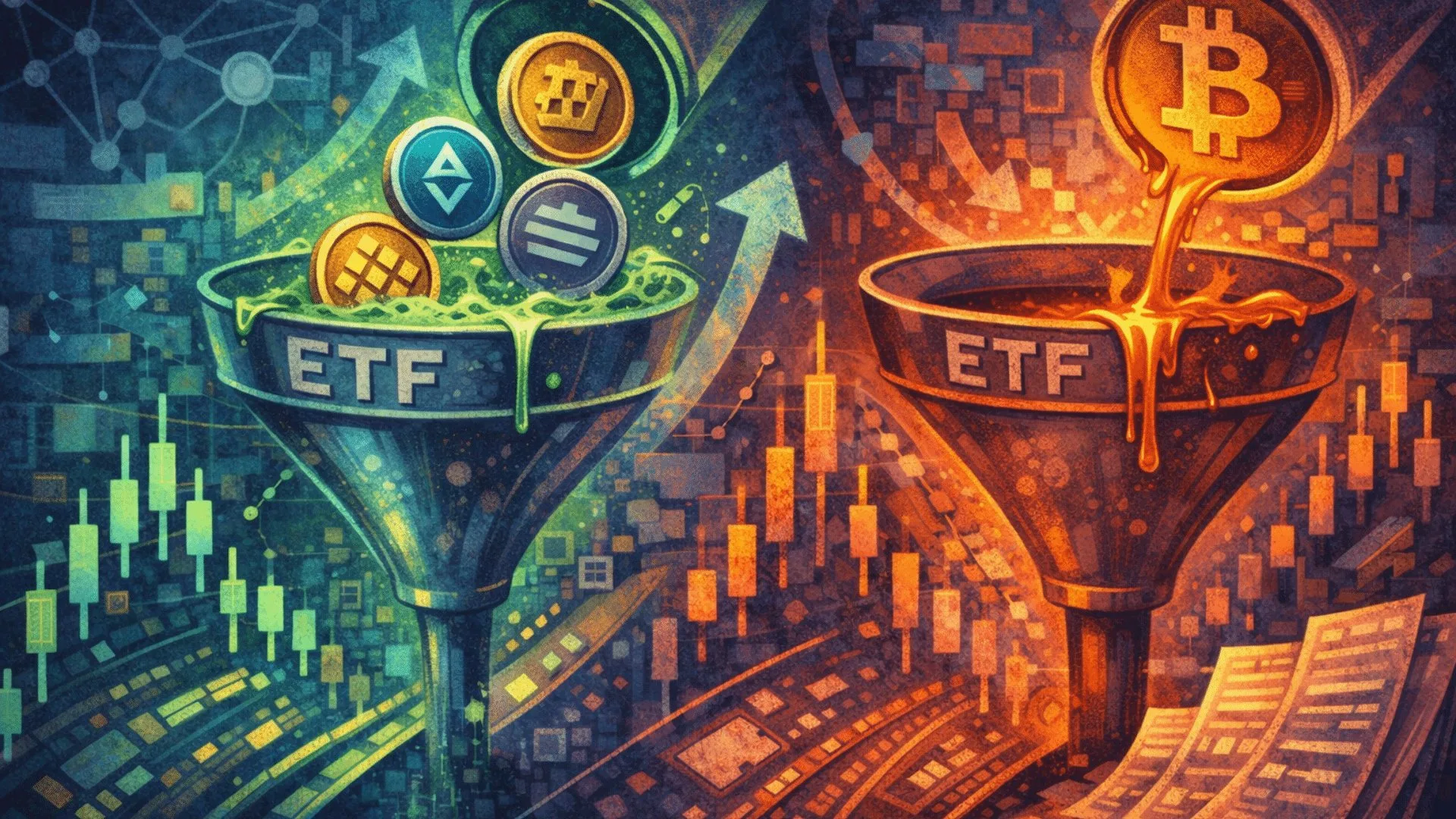
Artificial intelligence is becoming a core component of Ripple's product system. The company is applying AI technology to real-time cash flow forecasting and liquidity management, initially focusing on improving the efficiency of corporate finance teams, with the long-term goal of deeply embedding AI into the entire financial platform. This direction is in line with industry trends – more and more institutions predict that digital asset trading dominated by autonomous intelligent agents will become mainstream in the future, and Ripple is systematically preparing for this.
XRP plays an irreplaceable role in this ecosystem. Garlinghouse reiterated that XRP is the hub of Ripple's global liquidity network, supporting core functions such as payment, custody, clearing, and fund management. Ripple Senior Vice President Markus Infanger also pointed out that XRP has become an important part of blockchain financial infrastructure. Its underlying protocol, XRPL's, “automated bridging” function allows for efficient settlement between multiple assets using XRP as an intermediary in the absence of direct trading pairs, greatly improving the flow of capital between different markets.
In addition, Ripple is expanding the functional boundaries of the XRP Ledger, extending from cross-border payments to lending services, tokenized asset trading, and stablecoin ecosystem construction. Its own stablecoin, RLUSD, is performing strongly. According to reports, its cross-border B2B transaction volume has achieved a significant increase of 733%, demonstrating strong demand from institutional users for compliant and efficient digital asset settlement tools.
As XRPL gradually evolves into an institutional-grade financial platform, the utility and network value of XRP are increasing simultaneously. In 2026, if the global financial system accelerates the adoption of on-chain liquidity solutions, XRP may usher in true large-scale adoption.