

Brent crude oil prices surged 8.88% on Thursday, reaching $100 per barrel, as traders shrugged off the International Energy Agency's (IEA) record emergency oil release. Meanwhile, Bitcoin's price fell 0.84% to $69,386, with the market's concerns over persistent energy inflation exacerbating fears about diminishing rate cut hopes.
Oil prices have risen more than 30% since the U.S. and Israel launched a joint strike against Iran on February 28th, with an average daily flow of approximately 20 million barrels of crude oil and refined products passing through the Strait of Hormuz.
Record 400 Million Barrel Oil Release Only Covers a Quarter of Market Shortfall
Analysts say the panic pricing signals a deepening crisis.
"Prices are still in panic mode. The market is awash with emotion, fear, and uncertainty," said Pavel Molchanov, a senior investment strategist at Raymond James.
Molchanov estimates that the released oil will take 60 to 90 days to effectively enter the market, far exceeding traders' expectations for immediate relief.
Saul Kavonic, an energy analyst at MST Marquee, warned that the IEA's decision itself indicates the severity of the shortage risk. "The IEA's decision also indicates the urgency of the oil shortage risk, implying that the IEA does not believe the war will end soon, and the current inventory reduction will need to be replenished in the future, meaning prices will still rise even after the war ends," he said in an interview with CNBC.
Bitcoin as a Risk Asset, Not a Safe Haven
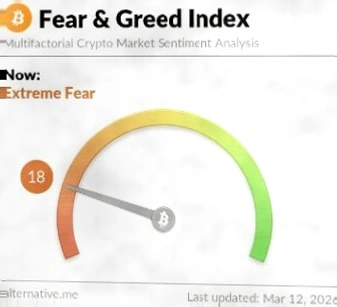
The transmission mechanism is very direct: crude oil prices exceeding $80 per barrel will exacerbate the inflation narrative. Before the strike, the market had already reduced the probability of a Fed rate cut in March to below 2.5%. If crude oil prices continue to stay above $90, the possibility of a rate cut in June will also decrease, which will tighten the financial environment for all risk assets, including cryptocurrencies.
Seven central bank decisions are scheduled to be announced next week.