

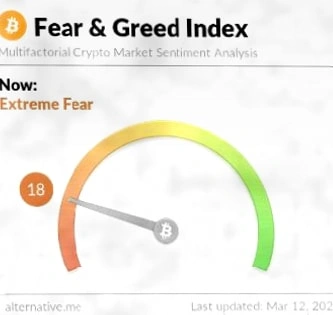
Military actions involving the U.S., Israel, and Iran have triggered significant volatility in Asian stock markets, with the Dubai real estate index plummeting 20%. Consequently, wealthy Asian investors are pulling capital from the Gulf region, while Bitcoin has risen approximately 6.6% since the conflict escalated on February 28.
The Vietnam VN Index fell 5.7%, the Taiwan TAIEX Index dropped 5%, and India's NIFTY 50 Index fell 2.5% in morning trading on March 9.
Strait of Hormuz Closure Impacts Asia's Energy Lifeline
According to Fortune data, Samsung Electronics' stock price has fallen 20.7% since the attacks began, with SK Hynix down 21.4% in the same period.
Dubai Real Estate Index Erases All 2026 Gains
The share price of Emaar Properties, Dubai's largest developer, fell from 17 dirhams to 13.30 dirhams, a drop of 22%. Aldar Properties fell 5% after the market reopened.
Bitcoin Up 6.6%, Gulf Assets Plunge
During the same period, Dubai real estate fell 18.1%, and the S&P 500 fell 2% last week.
Iran Conflict Ripples Through Asian Markets, Bitcoin Sees Safe-Haven Inflows, Gulf Assets Suffer
The escalating Iran conflict increases geopolitical risk, causing Asian stock markets and Gulf assets to suffer. Investors seek safe havens, with funds flowing into Bitcoin, driving its price up. The Dubai real estate index's sharp decline raises market concerns.