

The core tenets of cryptocurrency are decentralization and sovereign ownership. However, the reality is that vast amounts of funds stored on centralized exchanges have been lost. Users have learned this lesson in various ways: not your keys, not your coins. 
A new report, “The Future of Self-Custody: Translating Ownership into Security,” released by Cointelegraph Research in collaboration with hardware wallet Trezor, explores how this realization is reshaping investor behavior. Based on survey feedback, analysis of exchange collapses, and an examination of modern wallet architectures, the report argues why self-custody should be a key cryptocurrency security issue by 2026.
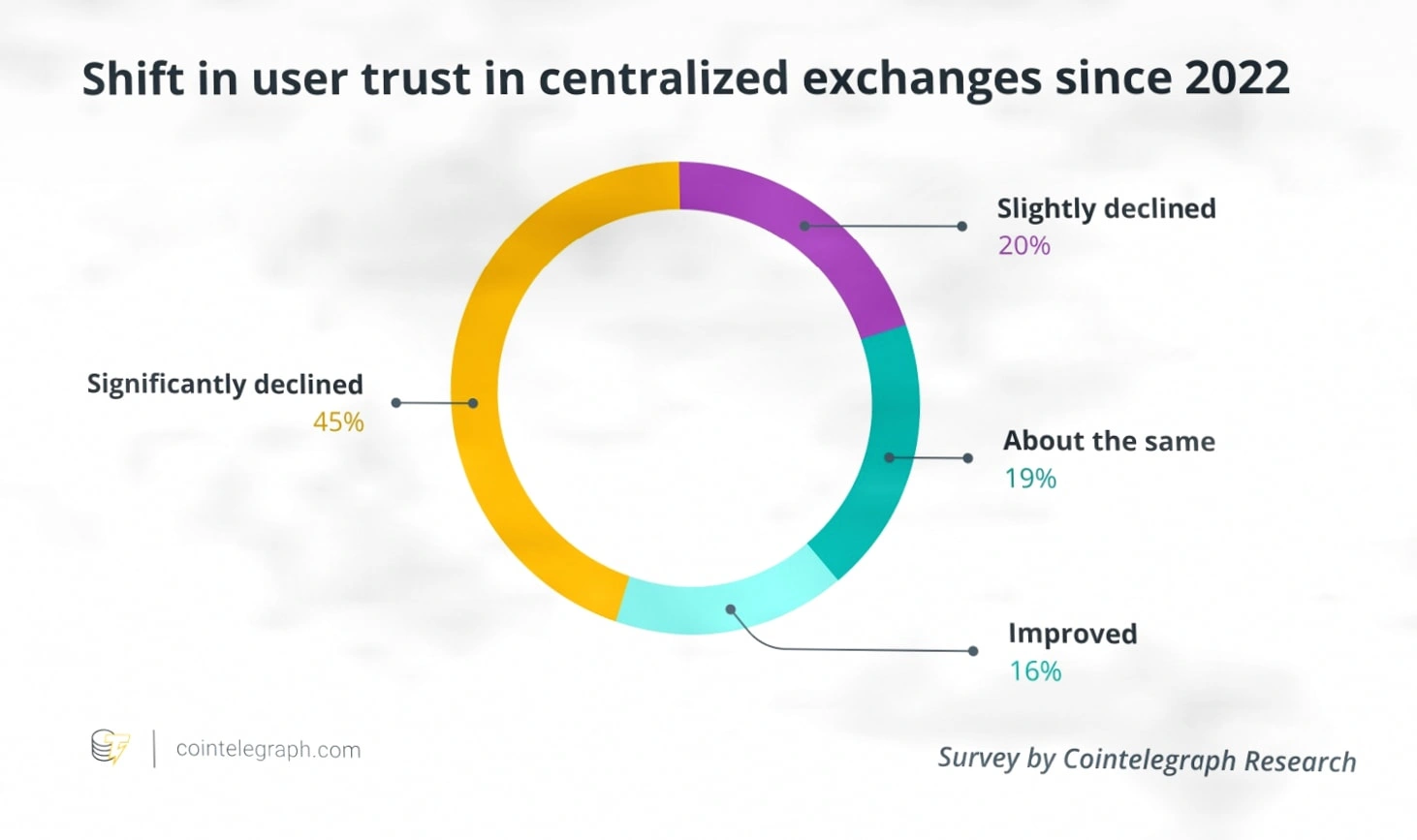
Survey data shows a significant decline in user trust in centralized exchanges. The majority of respondents indicated that they now have less trust in exchanges than they did a year ago, with the shadow of the FTX collapse still looming large. Even regulatory frameworks like MiCA, designed to strengthen custody oversight, cannot change this fundamental dynamic. Users are increasingly aware that custodial access can be restricted or revoked due to factors beyond their control. Therefore, the shift to self-custody has become a risk management strategy.
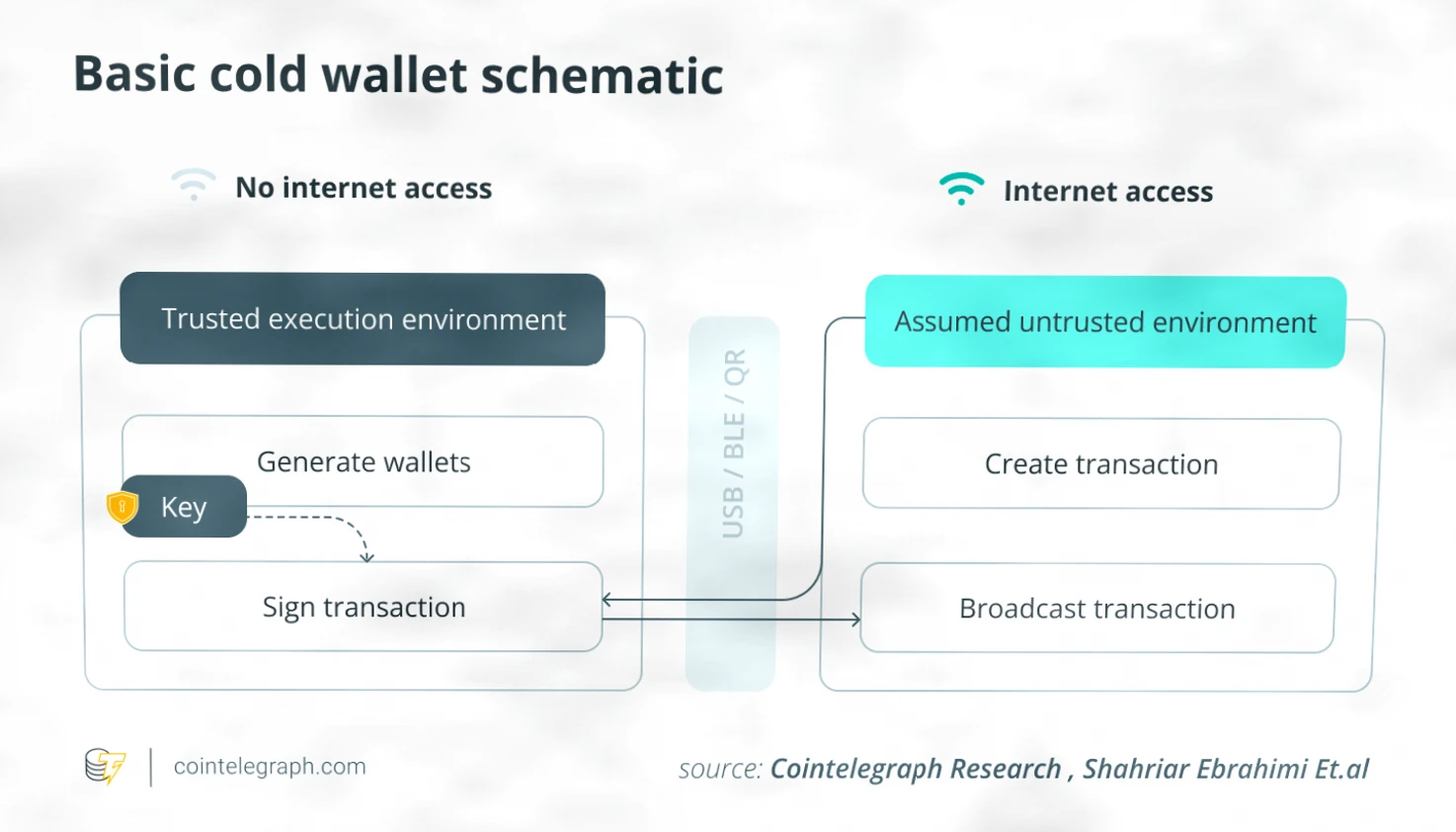
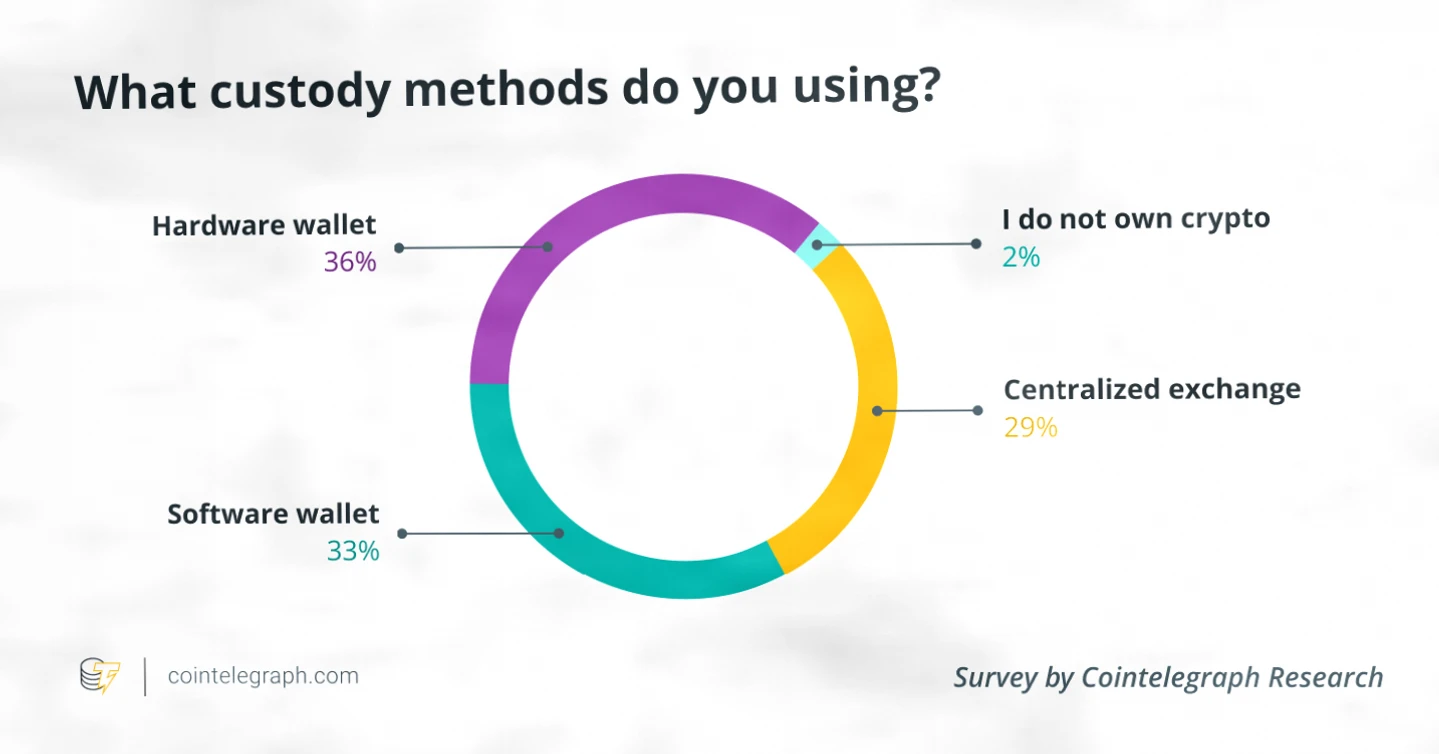
Once assets are transferred to self-custody, security no longer relies on institutional control but on the user's operational practices. The survey reveals that most users prefer simple architectures, but many still misunderstand the role of hardware wallets. While hardware wallets can significantly reduce the risk of remote attacks, they do not eliminate losses caused by user error.
Therefore, the report shifts the focus from device selection to user behavior: how to verify transactions, how to store recovery materials, and how users respond to real-world threats.
The ultimate conclusion is that translating ownership into security cannot be achieved solely through regulation, branding, or devices. It is a behavioral habit that requires users to use devices with discipline and accurately understand the scope and limitations of custody.
To gain a deeper understanding of the importance of self-custody, please consult the full report.