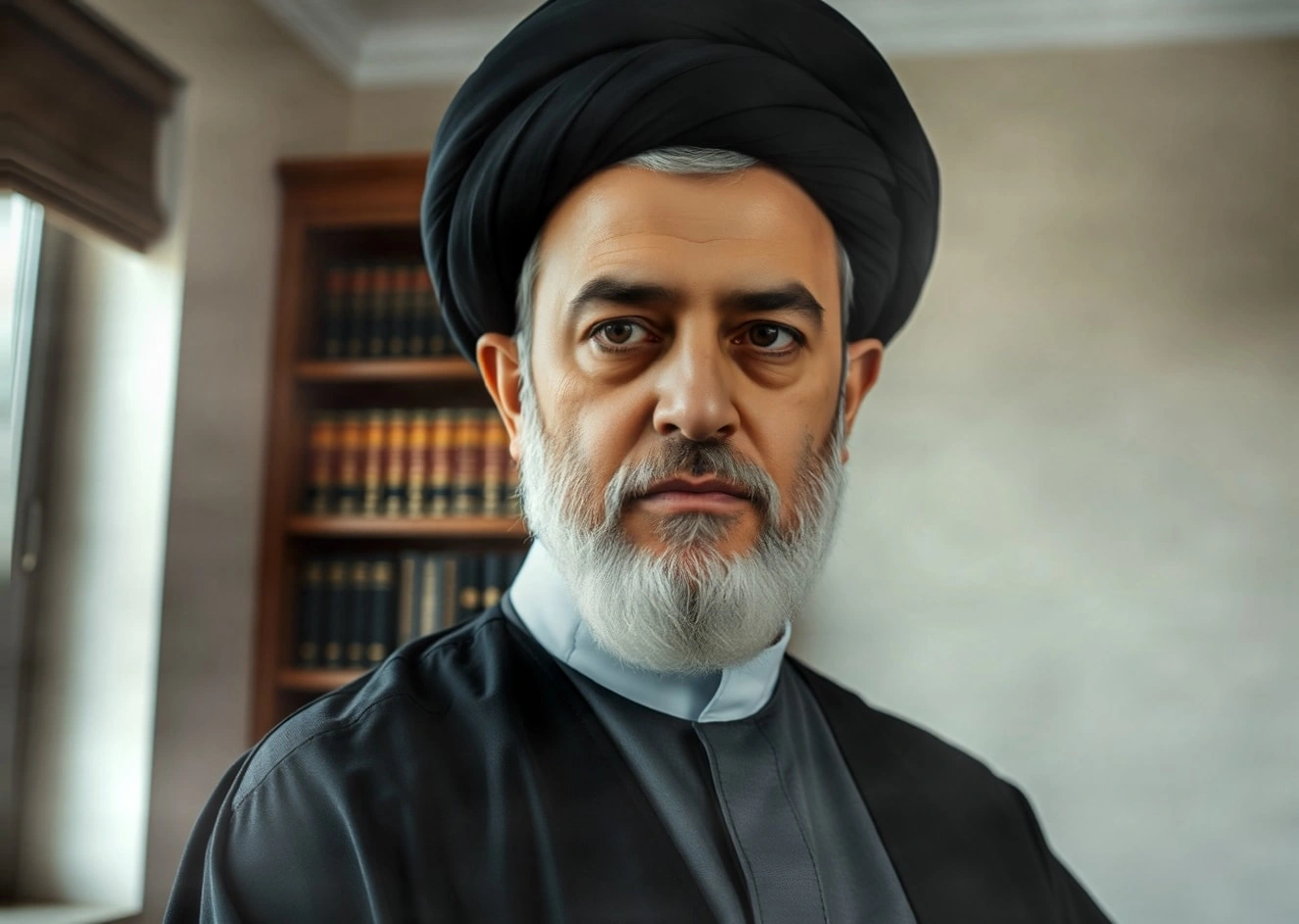
Iran's new Supreme Leader, Mojtaba Khamenei, issued a stark warning demanding the immediate withdrawal of all U.S. military bases, signaling an escalation in regional tensions.
Iran's New Leadership Takes a Hard Line
Following the death of Ayatollah Ali Khamenei, who led the Islamic Republic of Iran for 35 years, Mojtaba Khamenei has become Iran's supreme authority. Analysts immediately noted a significant shift in tone and substance in the younger Khamenei's pronouncements. His remarks specifically targeted the U.S. military presence in several countries, including Iraq, Syria, Kuwait, Bahrain, Qatar, and the United Arab Emirates. Furthermore, the new leader explicitly linked these demands to regional security dynamics, arguing that the instability caused by U.S. forces outweighs any risks they prevent. Regional experts suggest this rhetoric aligns with Iran's long-standing opposition to foreign military presence. However, the direct threat of initiating attacks marks a notable escalation in language.
The Strategic Importance of the Strait of Hormuz
The Strait of Hormuz is one of the world's most critical maritime chokepoints. This narrow waterway separates the Persian Gulf from the Gulf of Oman, and approximately 21 million barrels of oil pass through it daily. Iran possesses a considerable naval capability along its coastline, including fast attack craft, anti-ship missiles, and naval mines. Historically, Iranian officials have periodically threatened to close the Strait of Hormuz during periods of heightened tension. However, actually implementing such a blockade would trigger immediate global economic consequences. Oil prices would likely spike dramatically, and shipping insurance costs would multiply. Major energy consumers, including China, India, Japan, and South Korea, would face severe supply disruptions. The U.S. Fifth Fleet, based in Bahrain, constantly patrols the area; therefore, any attempt to close the strait would likely provoke a direct military confrontation.
Military Balance and Regional Deployments
The United States maintains approximately 45,000 troops in the Middle East, operating from dozens of bases. Key facilities include Al Udeid Air Base in Qatar, Al Dhafra Air Base in the UAE, and Ali Al Salem Air Base in Kuwait. The U.S. Navy's Fifth Fleet is headquartered in Bahrain. Additionally, U.S. forces continue to conduct anti-ISIS operations in Iraq and Syria. Simultaneously, Iran has developed asymmetric capabilities specifically designed to counter U.S. military advantages, including:
This military posture forms what analysts have termed a "denial bubble" over the Persian Gulf.
Historical Context of U.S.-Iran Confrontations
U.S.-Iran relations have been strained since the 1979 Islamic Revolution. Tensions have significantly escalated since the U.S. withdrawal from the 2015 nuclear deal. Subsequently, the Trump administration imposed maximum pressure sanctions. The Biden administration has attempted to revive the agreement through indirect negotiations, but these efforts have repeatedly stalled. Meanwhile, periodic incidents continue to exacerbate tensions:
These events illustrate the persistent underlying tensions.
0 comment A文章作者M管理员
No Comments Yet. Be the first to share what you think
❯
Profile
Search
Checking in, please wait...
Click for today's check-in bonus!
You have earned {{mission.data.mission.credit}} points today