

Key Takeaways:
- The $2 trillion private credit industry is facing a crisis of defaults, redemptions, and regulatory shortcomings.
- Liquidity tightening may force investors to sell easily accessible assets like Bitcoin first.
- Historical crises indicate that Federal Reserve interventions often lead to strong rebounds in Bitcoin prices, making it a hedge against monetary supply expansion.
A Ticking Time Bomb in Private Credit?
Driven by low interest rates and investors' thirst for high yields, the private credit industry now rivals traditional banks but lacks adequate regulation.
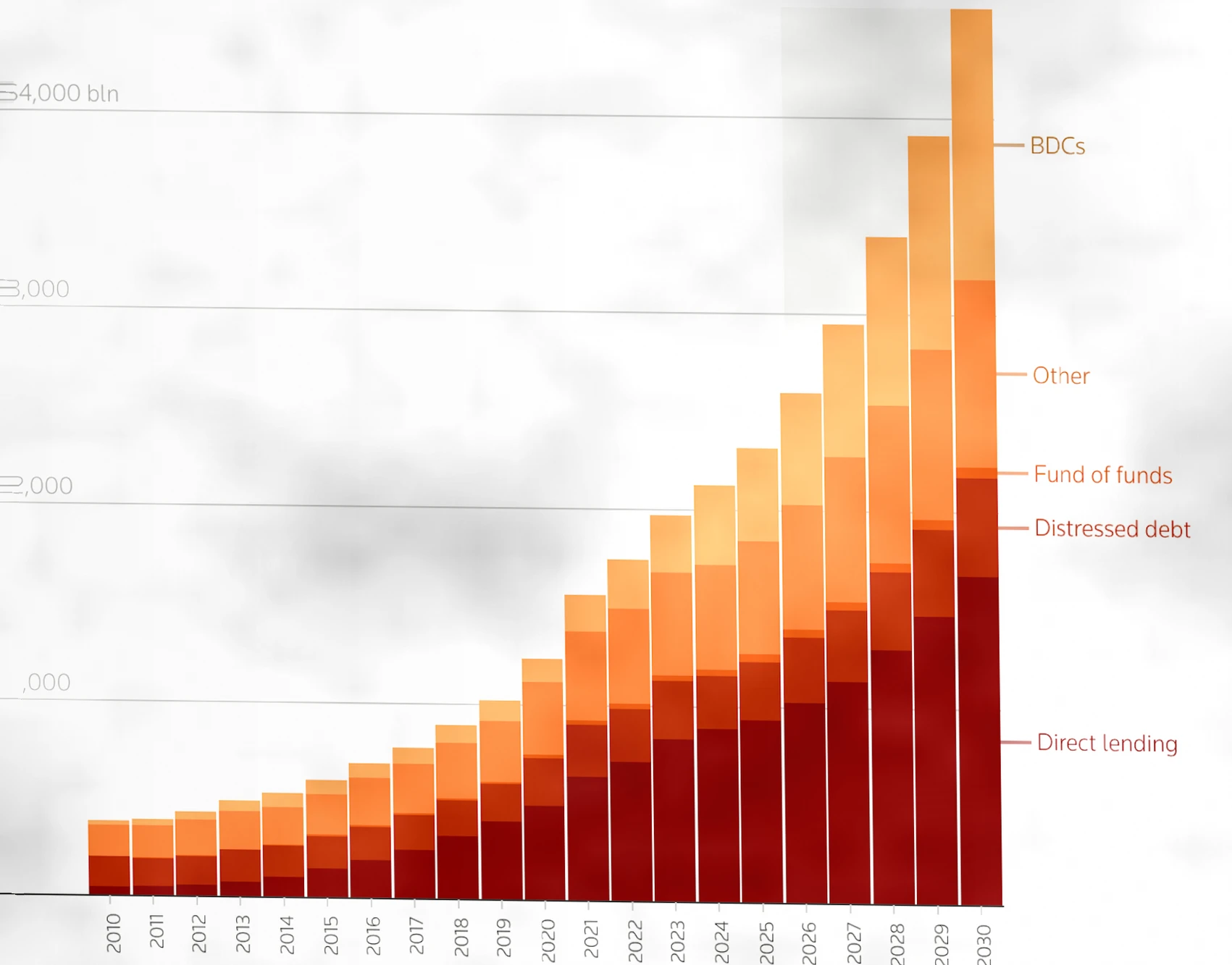
The private credit market is showing cracks now, threatening to trigger a financial crisis.
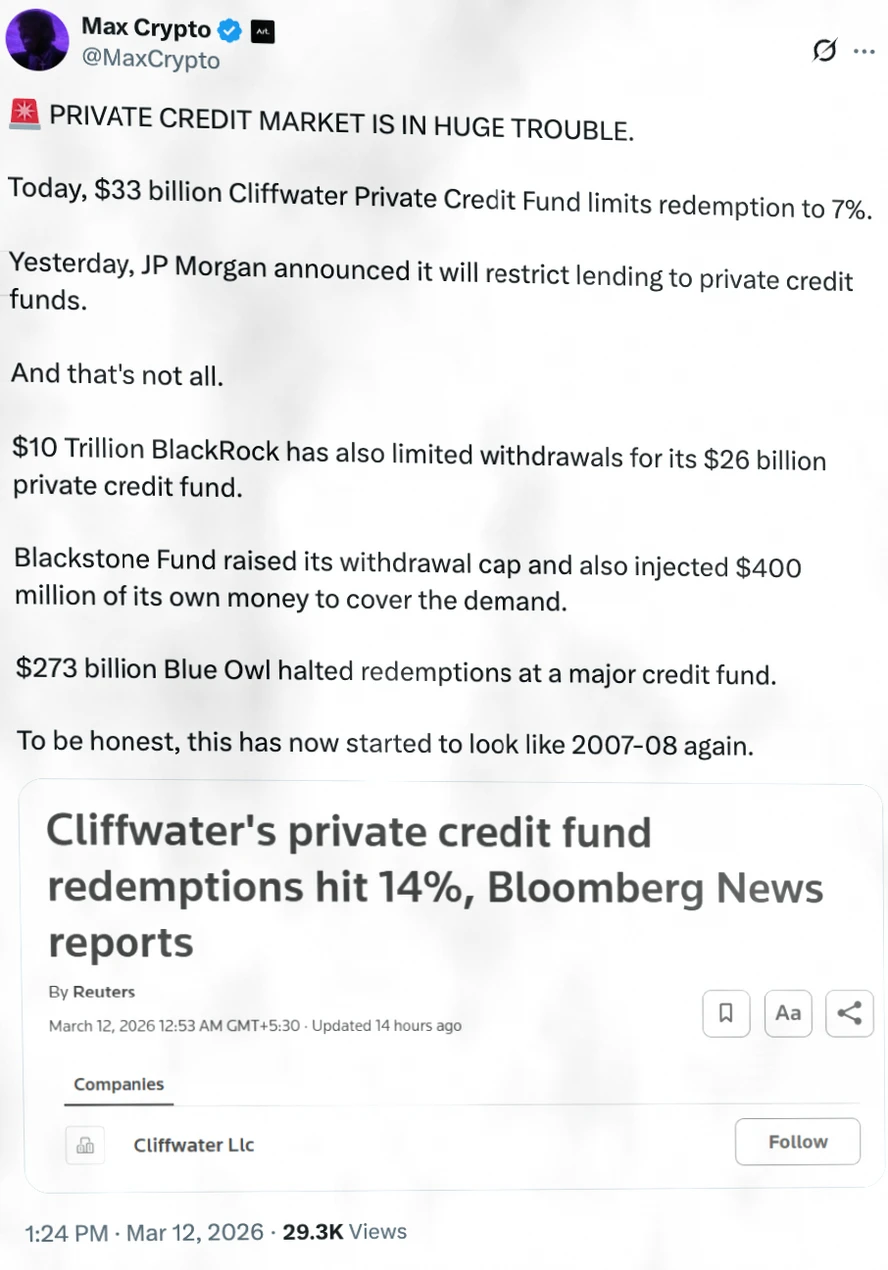
Liquidity tightening could lead to a collapse in Bitcoin prices first.
While withdrawal restrictions directly impact the private credit market, their effects extend far beyond traditional finance.
This means that if investors cannot access funds from illiquid private credit portfolios, they may turn to assets that can be sold instantly in public markets.
However, this often forces government intervention: emergency liquidity injections and interest rate cuts aimed at avoiding systemic collapse.
In 2020, the Federal Reserve's actions after the market crash propelled Bitcoin from $4,400 to $69,000 by the end of the year, a staggering increase of 1,400%.
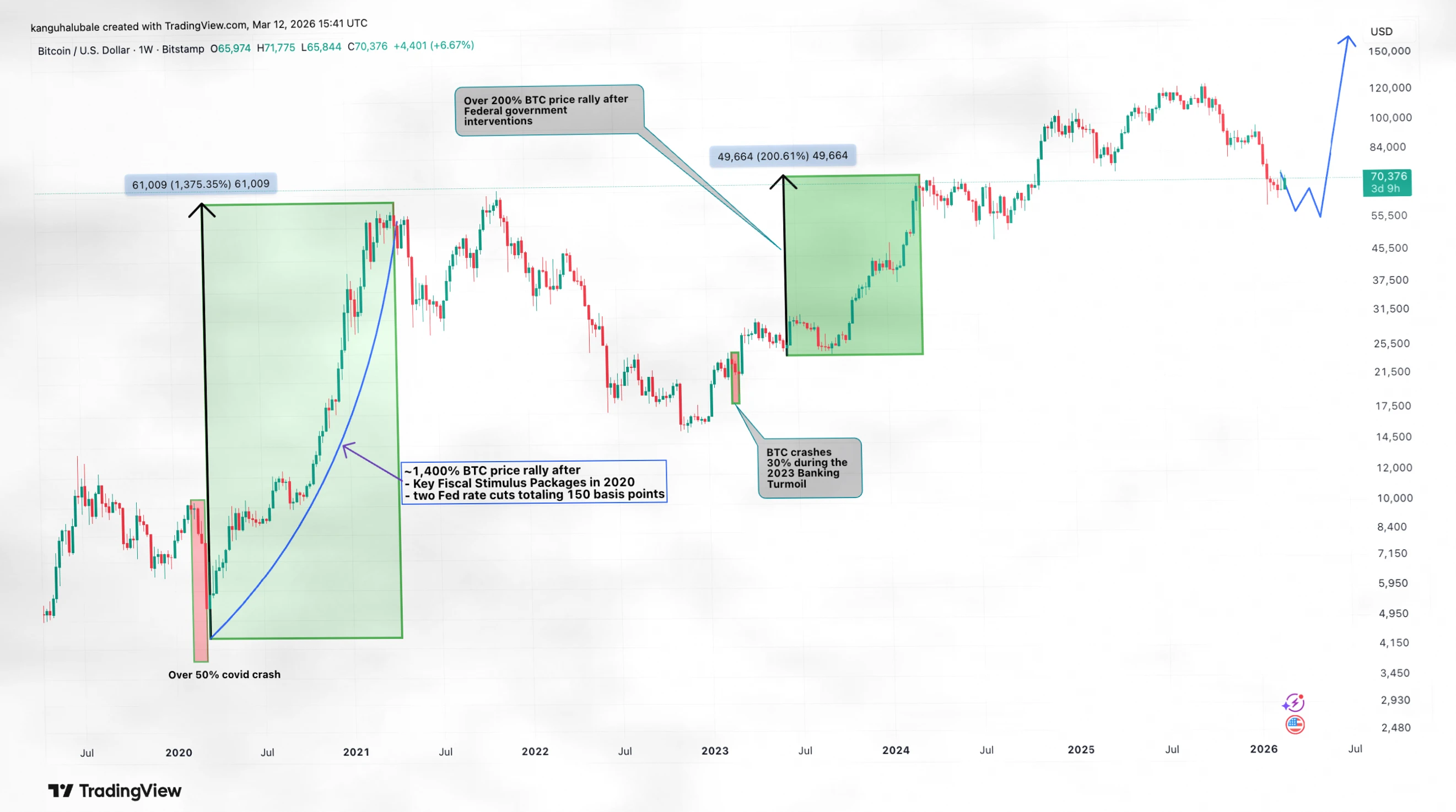
This suggests that a collapse in private credit could ultimately lead to further expansion of the monetary supply, pushing Bitcoin prices to new highs.