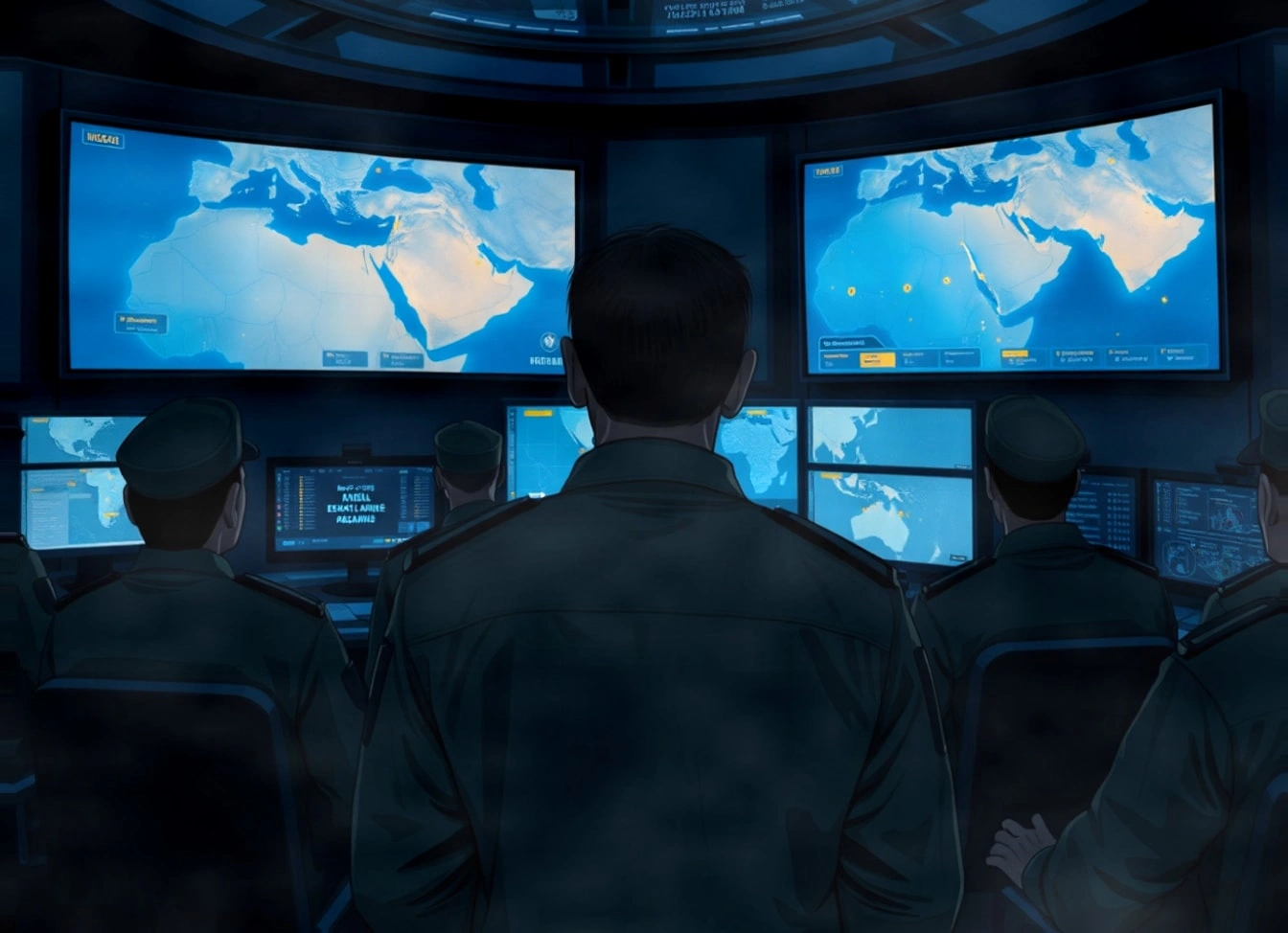
The IRGC warns that Trump's remarks have prompted military preparations, pre-setting precise strike targets, suggesting this warning may escalate regional tensions.
Iran Attack Warning: Analyzing the Official Statement Senior commanders of the Islamic Revolutionary Guard Corps (IRGC) issued a warning through state media, clearly stating that Donald Trump's "provocative remarks" were the catalyst for this warning. The statement indicated that the Iranian military has "pre-identified and determined the coordinates of significant targets" and possesses a "rapid and powerful" response capability. Furthermore, the warning emphasized that any action would be "proportional and precise," indicating that the approach taken is well-considered rather than arbitrary. This expression reflects Iran's shift from broad threats in the past to a specific, actionable state of readiness. Historically, such warnings typically arise after heightened political rhetoric from the U.S. towards Iran. For instance, following the 2020 U.S. drone strike that killed Iranian General Qassem Soleimani, Iran retaliated with missile attacks on U.S. bases in Iraq. However, the current rhetoric appears to be more strategically ambiguous, not specifying particular locations, but reiterating a high level of preparedness. Military analysts note that this approach creates a deterrent effect while maintaining operational secrecy. Background of Trump's Repeated Threats This warning from Iran references a series of public statements made by Donald Trump during and after the 2024 U.S. presidential election. Trump has consistently advocated for a hardline stance against Iran, often reiterating themes from his presidency. Key points from his recent rhetoric include: This pattern of threats creates a tumultuous backdrop. Importantly, Iran's response is not merely to a single comment but is a reaction to a sustained narrative perceived as an existential challenge. Regional experts point out that Tehran views this rhetoric as part of a broader strategy to isolate and pressure Iran, regardless of who holds power in the White House. Expert Analysis on Deterrence and Escalation Dr. Anahita Nassiri, a senior researcher at the Tehran Strategic Studies Center, provided important context. "Iran's military theory has long been based on asymmetric deterrence," Nassiri explained. "These public warnings serve a dual purpose: they convey resolve to a domestic audience that requires security assurances, while also signaling capability and intent to external adversaries in hopes of preventing further escalation." Conversely, security analysts in Washington express concern. "This is a classic security dilemma," noted former Pentagon advisor Mark Benson. "The hardline rhetoric from U.S. politicians prompts Iran to adopt a defensive, aggressive posture, which in turn validates the initial hardline views, creating a dangerous feedback loop. The risk of miscalculation has now significantly increased." Potential Designated Targets and Regional Impact Although Iranian officials did not specify targets, regional security assessments based on indicate that there may be several categories of potential targets.
0 comment A文章作者M管理员
No Comments Yet. Be the first to share what you think
❯
Profile
Search
Checking in, please wait...
Click for today's check-in bonus!
You have earned {{mission.data.mission.credit}} points today