

Japan's Minister of Economy, Ryo Akazawa, is considering the timing and allocation of a coordinated oil reserve release by the International Energy Agency (IEA), a move with significant implications for global energy markets. 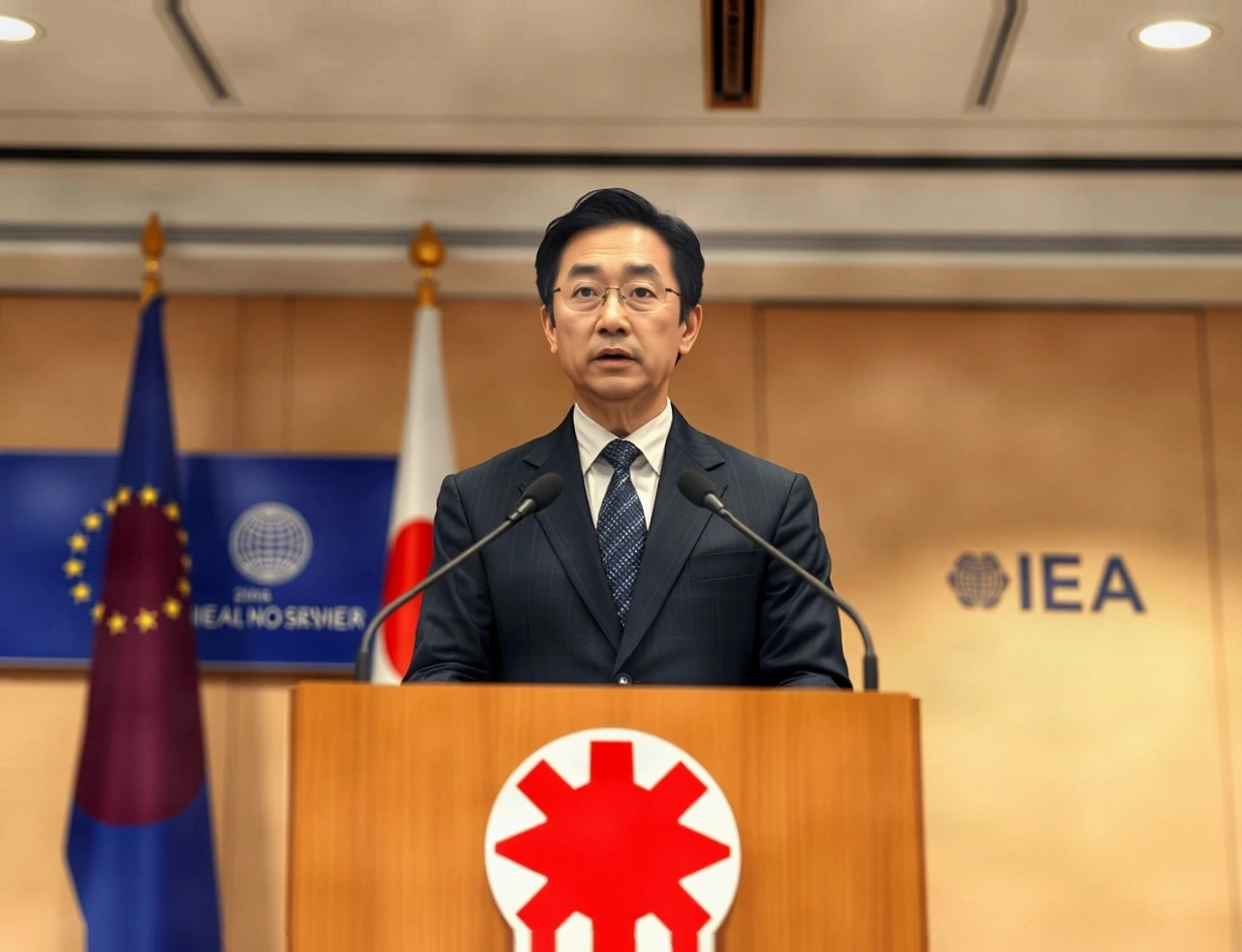
Japan's Strategic Role in the IEA Oil Reserve Framework
The International Energy Agency requires member countries to hold emergency oil reserves equivalent to at least 90 days of net imports. As a key member, Japan maintains one of the world's largest strategic oil reserves. Minister Akazawa's upcoming discussions will focus on the logistics of a potential coordinated release, including the amount of crude oil Japan would contribute and the optimal market timing for action. Consequently, the outcome of these discussions will directly affect global supply chains.
Historically, the IEA has coordinated collective reserve releases during significant supply disruptions. For example, the agency took action following Hurricane Katrina in 2005 and the Libyan civil war in 2011. More recently, in early 2022, 60 million barrels of oil reserves were released after Russia's invasion of Ukraine. Japan's participation in these actions underscores its commitment to international energy stability. Furthermore, Japan's decisions are based on careful analysis of domestic inventory levels and projected demand.
Global Energy Market Context Analysis
Minister Akazawa's statement comes as oil markets face a complex landscape. Multiple factors, including geopolitical tensions and refinery capacity constraints, are placing pressure on the market. Additionally, the trajectory of the global economic recovery continues to influence demand forecasts. A coordinated reserve release aims to provide a temporary supply buffer, thereby stabilizing prices and ensuring fuel availability for consumers and industries.
The effectiveness of such a release largely depends on its size and timing. Experts note that the market impact is often psychological rather than purely physical. "A united front and the signal of readily available supply can deter speculative trading and hoarding," explained Dr. Kenji Tanaka, a senior energy analyst at the Institute of Energy Economics, Japan. He also emphasized that precise coordination among IEA member countries is crucial to maximizing the price-stabilizing effect.
Japan's Strategic Oil Reserve Mechanism
Japan stores emergency crude oil in two primary forms: government-owned national reserves and industry-held reserves. These reserves are stored in large underground caverns and above-ground tanks located throughout the country. The following table outlines Japan's current strategic oil reserve structure, with data sourced from the Ministry of Economy, Trade and Industry (METI):
This robust system ensures that Japan can respond to potential supply disruptions and contribute to the stability of global energy markets.