

For over a decade, Bitcoin has proven that decentralized systems can protect vast amounts of financial value without relying on banks or governments. The network leverages cryptography, distributed consensus, and a global infrastructure of nodes and miners to secure trillions of dollars in assets. However, technology never stops evolving. A new mode of computation is emerging that could challenge many of the cryptographic assumptions that currently secure the internet.
This paradigm is quantum computing. Although large quantum computers capable of breaking modern encryption do not yet exist, researchers and engineers increasingly recognize that such systems may eventually become practical. Because blockchain networks permanently preserve financial records, developers must prepare for threats that may emerge decades into the future.
This preparation has sparked discussions about a Bitcoin quantum upgrade, a long-term strategy designed to mitigate potential vulnerabilities should quantum computers become powerful enough to exploit them. The proposal does not imply an immediate crisis but rather reflects the cautious engineering philosophy that has guided Bitcoin's development since its inception.
At the heart of the discussion is Bitcoin Improvement Proposal 360, commonly known as BIP-360. This proposal introduces a new output structure designed to reduce the exposure of cryptographic public keys on the blockchain. While some media outlets have portrayed it as a drastic shift, the reality is more nuanced. BIP-360 represents the first step in a broader Bitcoin quantum upgrade roadmap, rather than a complete overhaul of the protocol.
To understand the significance of the proposal, it is necessary to examine how Bitcoin currently uses cryptography, why quantum computing may pose a risk, and how developers intend to strengthen the network over time. 
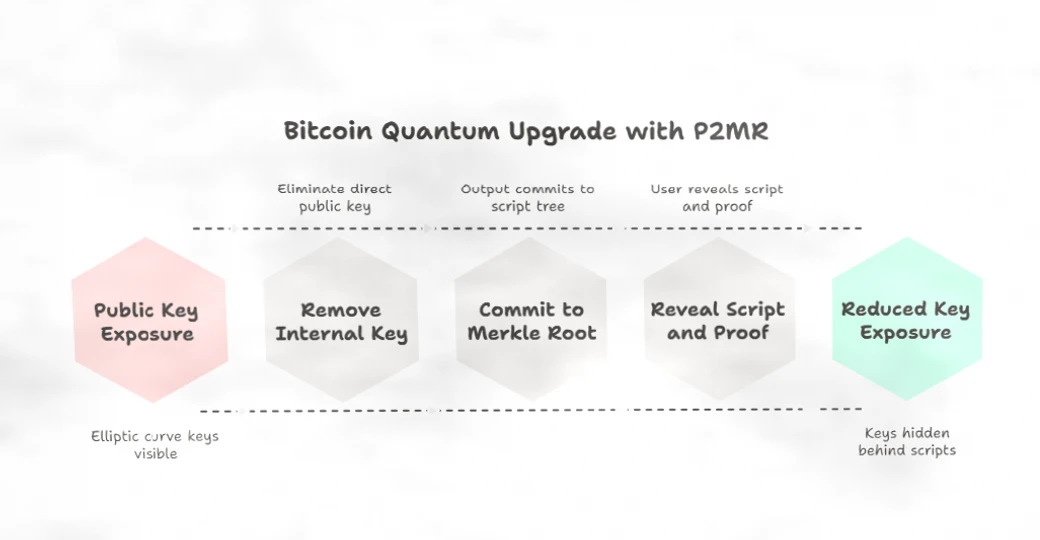
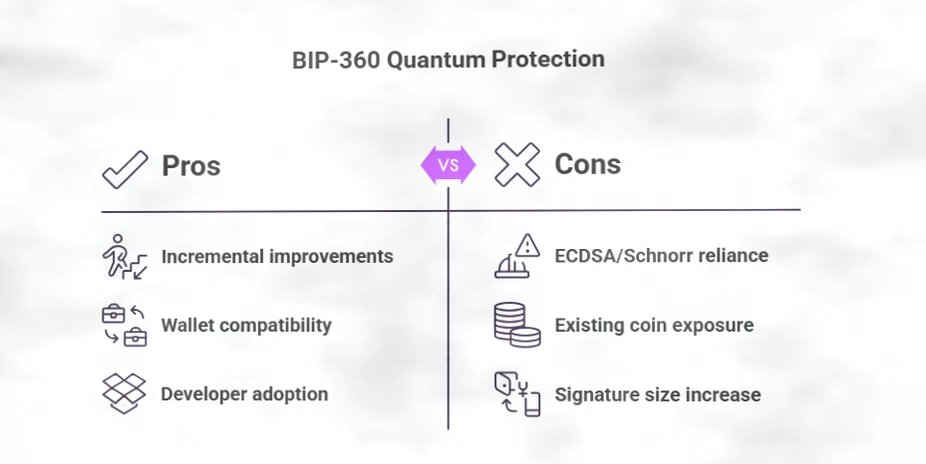
Bitcoin Quantum Upgrade: How Developers Are Addressing Potential Quantum Computing Threats
The Bitcoin quantum upgrade aims to address potential threats from quantum computing. Measures like BIP-360 reduce public key exposure and enhance network security. This upgrade is a long-term strategy reflecting the Bitcoin development team's cautious approach.