

Global financial markets saw significant shifts this week as gold prices faced downward pressure, with the Dollar Index (DXY) strongly breaching the 100.00 psychological level. The inverse correlation between a strong dollar and weaker gold is a key characteristic of commodity trading, which investors are closely monitoring.
Global financial markets saw significant shifts this week as gold prices faced downward pressure, with the Dollar Index (DXY) strongly breaching the 100.00 psychological level. 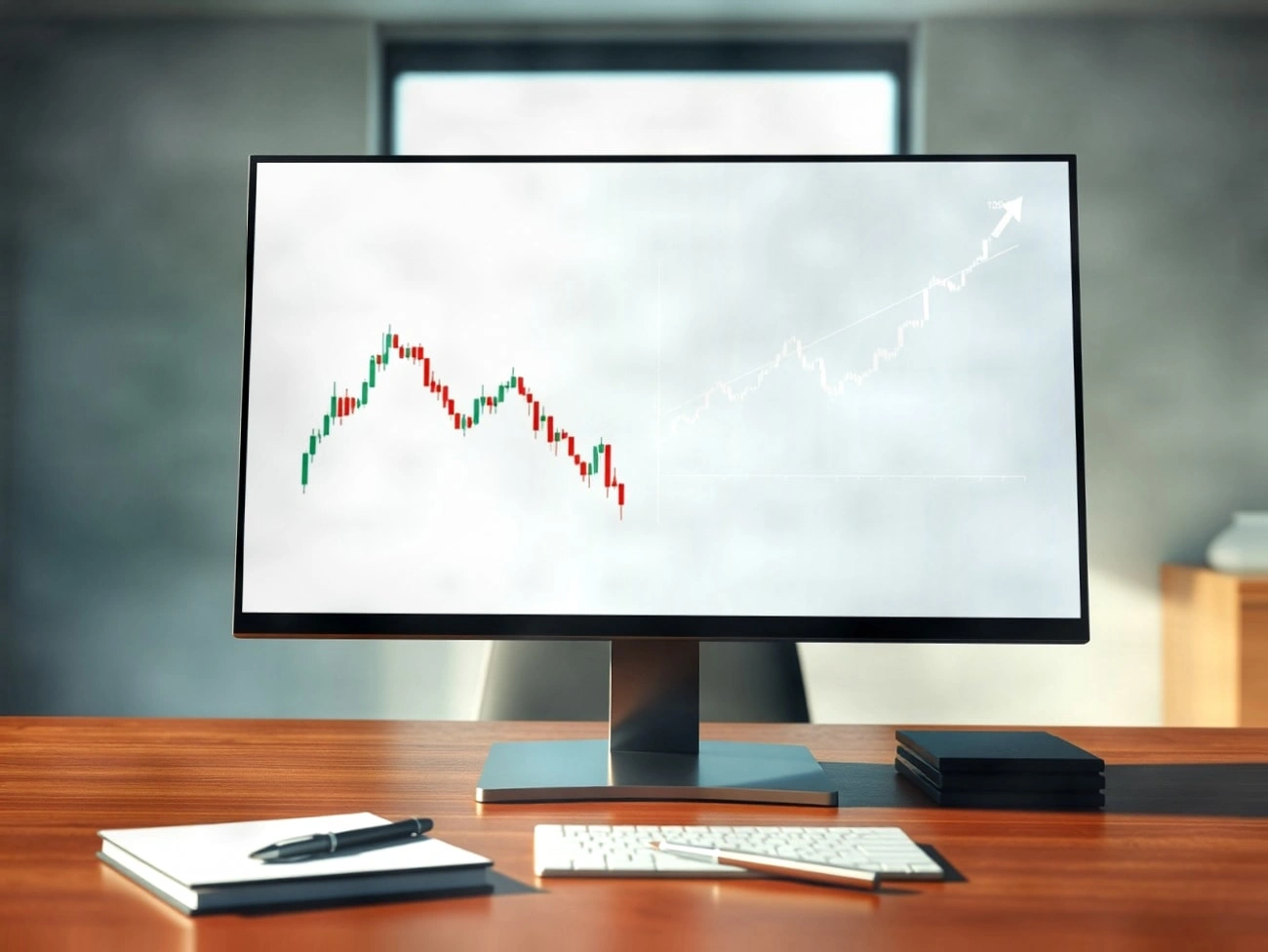
Gold Weighed Down by Dollar Strength
This week, the precious metal gold continued to face selling pressure. Spot gold (XAU/USD) fell significantly, erasing previous gains. This decline is directly related to the dollar's strong performance. Market analysts generally agree that the Dollar Index is a major factor influencing dollar-denominated assets like gold. When the dollar appreciates, the cost of buying gold increases for holders of other currencies, thereby suppressing demand and prices. Several key factors are driving the dollar's rise. First, recent strong U.S. economic data, including robust retail sales figures and persistent service sector inflation, have reinforced market expectations that the Federal Reserve may maintain a restrictive monetary policy stance for longer. Second, the relative weakness or increased political uncertainty in other major economies, such as the Eurozone and China, has enhanced the dollar's safe-haven appeal. This dynamic creates an unfavorable situation for gold bulls.Correlation Between Dollar Index and Gold
The Dollar Index measures the value of the U.S. dollar relative to a basket of six major world currencies, including the Euro (EUR), Japanese Yen (JPY), British Pound (GBP), Canadian Dollar (CAD), Swedish Krona (SEK), and Swiss Franc (CHF). A break above 100.00 indicates broad-based dollar strength against this basket of currencies. Historically, there has been a strong inverse correlation between the Dollar Index and gold prices. This week's price action is a typical example of this relationship. As the Dollar Index gained momentum, institutional and algorithmic selling in the gold futures market accelerated, reinforcing the weekly downtrend.Analysis of Dollar Index Rise
The Dollar Index breaking 100.00 is not just a technical event but a signal with profound macroeconomic implications. This rise is driven by the following factors:- The Fed's Hawkish Stance: Fed officials have emphasized data dependency and committed to returning inflation to the 2% target, providing fundamental support for the dollar. This hawkish tone contrasts with the potentially more dovish stances of other central banks, widening policy divergence.
- Relative Strength of the U.S. Economy: Compared to other major economies, the U.S. economy has shown relative resilience, attracting investors seeking returns and safety.