

Bittensor (TAO)
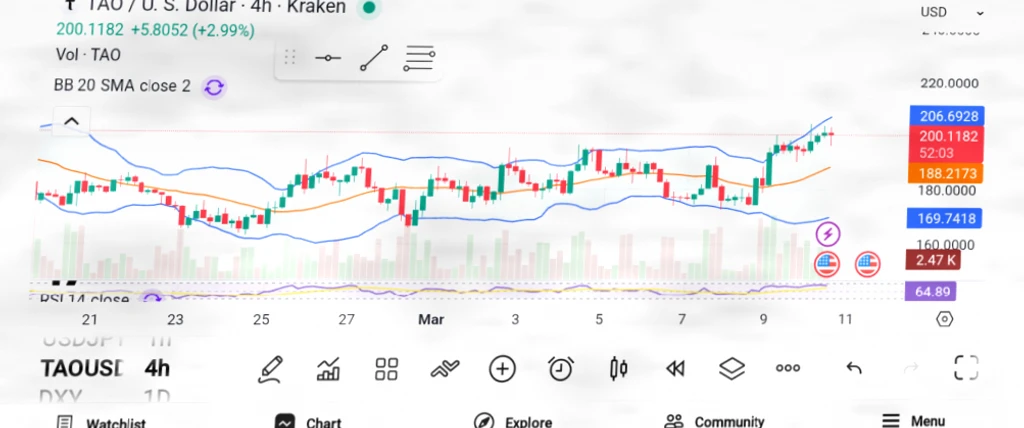
The network allows external users to access insights generated within the ecosystem. Developers can leverage this knowledge base to guide responses based on specific needs. This structure creates a market where artificial intelligence becomes a tradable resource. Producers provide useful machine learning outputs, while consumers can access this information without relying on centralized platforms.
NEAR Protocol (NEAR)
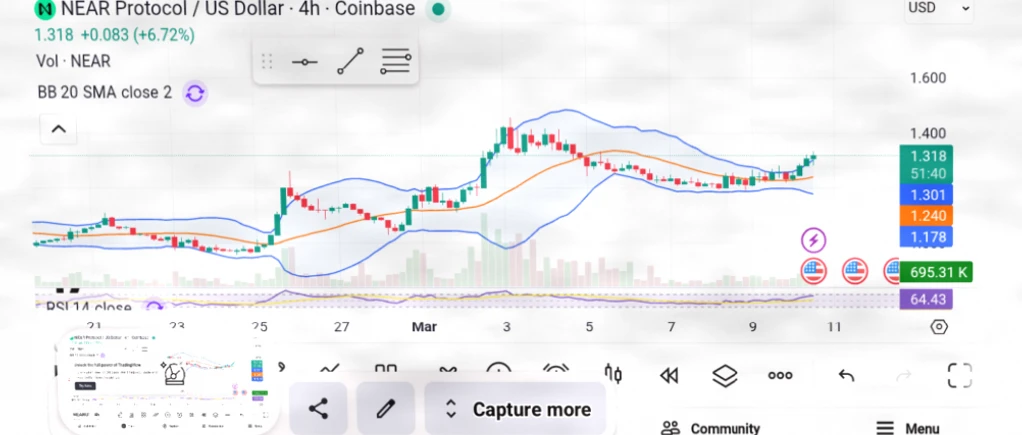
A key performance feature of NEAR is its sharding technology. Sharding divides the network infrastructure into smaller parts, allowing nodes to process only a portion of the total transactions. This design enhances efficiency, as each node handles a lighter workload. The lower computational requirements also make it easier for more network participants to join.
Render (RENDER)
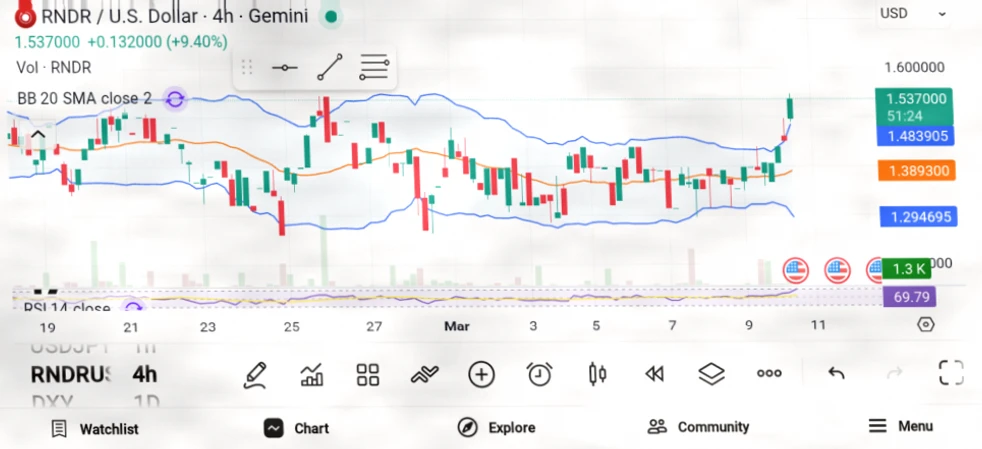
Creators submit rendering tasks to the network and gain access to extensive processing power. This system allows for faster production of complex digital scenes without the need to purchase expensive hardware. Meanwhile, node operators can contribute unused GPU capacity from personal computers and earn RENDER tokens as rewards. Such a market benefits both sides of the ecosystem.
In 2026, artificial intelligence continues to drive innovation in blockchain projects. Bittensor focuses on decentralized machine learning collaboration; NEAR Protocol provides scalable infrastructure for decentralized applications; Render connects creators with distributed GPU capabilities to enhance digital production. These projects are attracting close attention from investors interested in AI-driven crypto networks.