

The recent escalation of geopolitical tensions in Iran has cast a long shadow of uncertainty over global markets, presenting the Federal Reserve with a formidable challenge in its upcoming policy decisions: should it prioritize inflation control or the overall stability of the economy?
This sudden geopolitical crisis has undoubtedly introduced new risk factors into an already fragile macroeconomic environment. Concerns over supply disruptions have sent international oil prices soaring, directly exerting upward pressure on inflation. This comes at a time when the Fed was attempting to signal confidence in moderating price growth.
Rate Hike Expectations Fade, Inflation Risks Reignite
Prior to the intensification of the Iran conflict, the market widely anticipated multiple interest rate cuts by the Federal Reserve in 2026. However, the current situation has altered this outlook. Higher energy costs will inevitably filter through to consumer prices, transportation, and manufacturing, making it more difficult for the Fed to justify loosening monetary policy.
The Federal Reserve, tasked with its dual mandate of maximum employment and price stability, faces a particularly difficult balancing act when confronted with supply-side driven inflation. While further rate hikes could curb demand, they risk pushing an already cautious economy to the brink of recession. Therefore, maintaining the current policy stance in the short term may be the most probable course of action.
Geopolitical Uncertainty's Impact on Cryptocurrencies
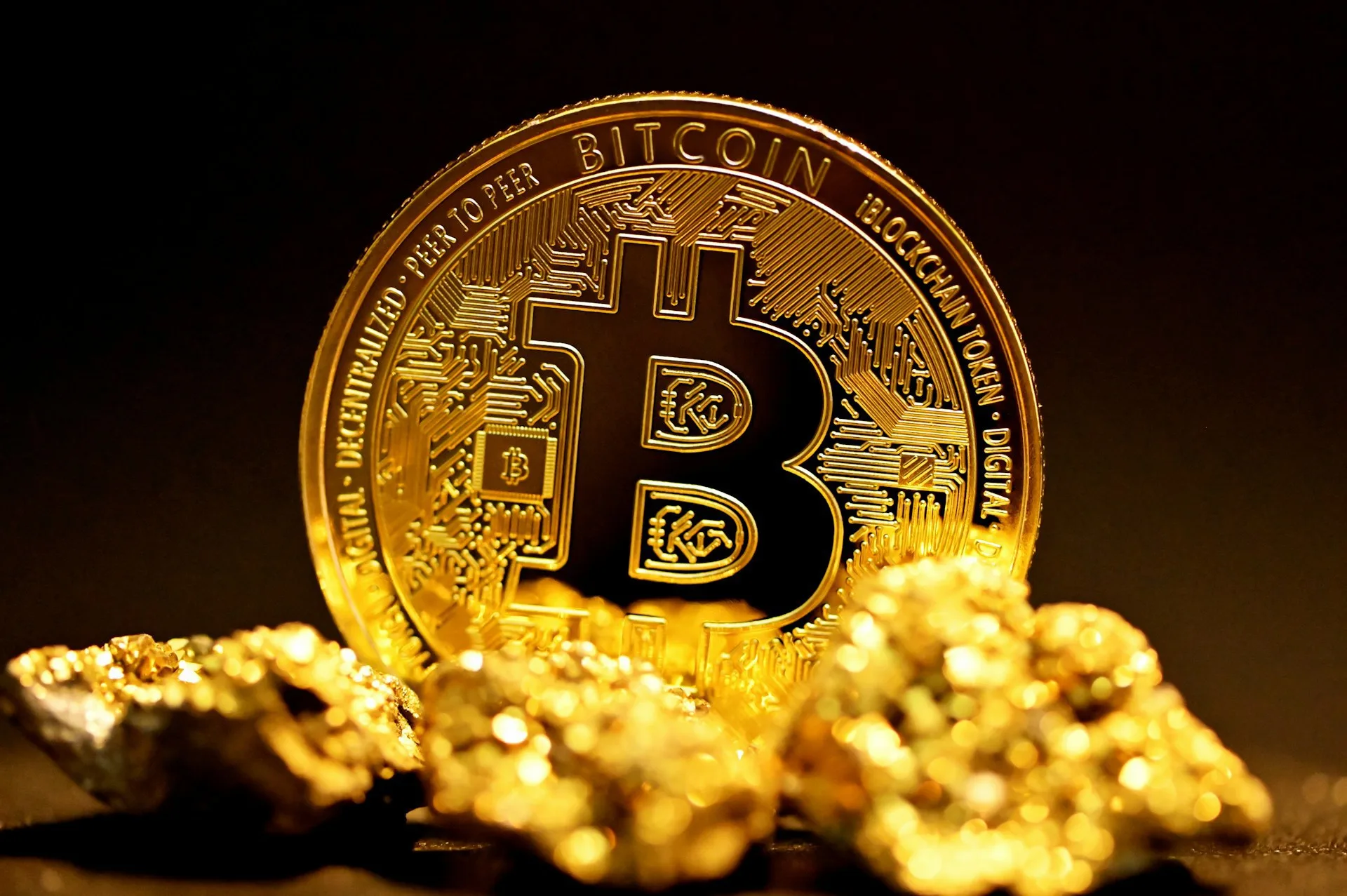
Bitcoin and other digital assets have exhibited complex reactions to geopolitical shocks. In some instances, cryptocurrencies have mirrored the behavior of risk assets like stocks, declining alongside market downturns. In other situations, they have been viewed as a hedge against currency devaluation and capital controls.
A prolonged period of uncertainty, particularly one triggered by Federal Reserve policy, tends to amplify volatility across all asset classes. For the cryptocurrency market, a key variable will be whether institutional investors perceive digital assets as a safe haven or as speculative holdings to be reduced during market downturns.
Treasury Market Pressure May Spill Over
Rising long-term Treasury yields, independent of the Fed's actions, will tighten financial conditions. For cryptocurrencies, tighter financial conditions typically reduce the liquidity available to support risk asset rallies. Bitcoin's correlation with the Nasdaq index remains significant, and higher yields directly compete with non-yielding assets.
Close Watch on the Fed's Future Moves
The upcoming Federal Open Market Committee (FOMC) meeting will be closely scrutinized for any signs of a shift in the Fed's forward guidance. Markets will be dissecting the meeting statement and press conference to gauge whether the committee views the conflict's economic impact as transitory or structural.
Fed Chair Jerome Powell has historically emphasized data dependency over pre-set commitments. In this environment, this approach likely translates to a wait-and-see attitude, with the central bank awaiting clearer information on the geopolitical situation and its economic spillover effects before making any decisive policy adjustments.
For cryptocurrency investors, the practical implication is that the previously anticipated rate-cut timeline has become more uncertain, and volatility across all markets may remain elevated until the geopolitical landscape stabilizes.