

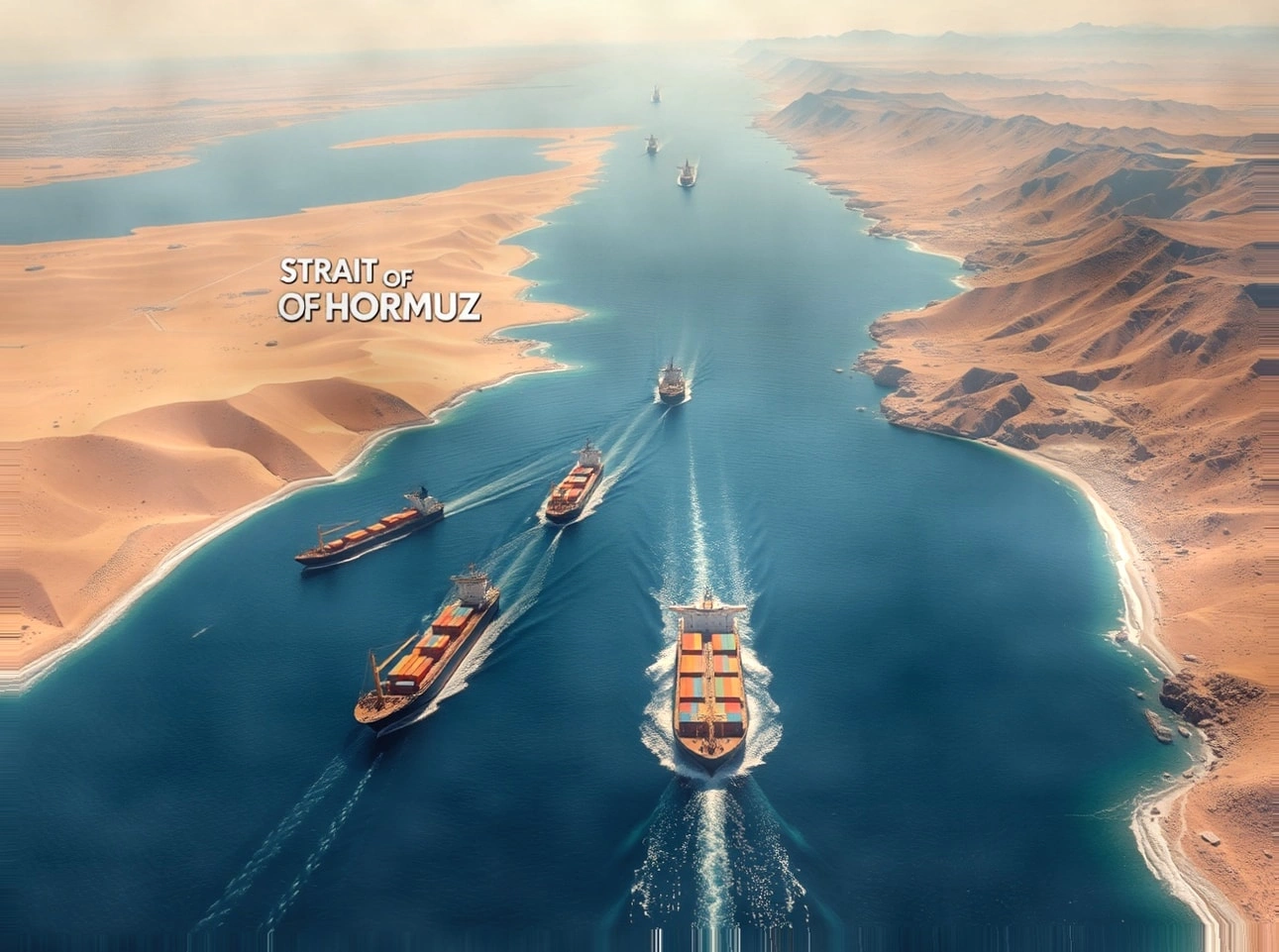
WASHINGTON D.C. – March 15, 2025 – U.S. President Donald Trump has initiated high-level diplomatic consultations with seven nations concerning security measures in the Strait of Hormuz. Dubbed the world's most critical oil transit point, the waterway is the focus of urgent discussions amid escalating regional tensions and growing concerns over global energy security. The strategic chokepoint facilitates the daily transit of approximately 21 million barrels of crude oil, representing about one-fifth of global oil consumption. Consequently, any potential disruption to this supply could trigger immediate and widespread economic repercussions worldwide.
Hormuz Strait Security Dialogue Gains Momentum
The Trump administration has confirmed ongoing dialogue with several key regional and international stakeholders. These nations include traditional U.S. allies as well as regional powers with significant geopolitical interests in ensuring the unimpeded flow of maritime traffic. The talks are centered on discussing maritime security protocols, principles of freedom of navigation, and contingency plans to address potential disruptions. This represents a significant diplomatic push by the United States to prevent further escalation in this highly volatile region. Past experience has shown that tensions in the Strait of Hormuz often correlate with sharp increases in global oil prices.
Maritime experts have highlighted the unique geographical challenges of the strait. At its narrowest point, the shipping lane is only 21 miles wide, creating a natural bottleneck for tanker traffic. While the U.S. Fifth Fleet, based in Bahrain, maintains a constant presence in the adjacent waters, recent incidents have severely tested existing security frameworks. For instance, oil tanker attacks in 2019 and vessel seizures in 2021 exposed the region's security vulnerabilities.
Implications for Global Energy Security
The dialogue involving the seven nations is directly linked to the stability of global energy markets. Major Asian economies such as China, Japan, and South Korea are heavily reliant on oil supplies transiting through the Strait of Hormuz. Similarly, European nations receive substantial volumes of liquefied natural gas via this route. Therefore, safeguarding shipping lanes directly impacts the energy policies of nations worldwide. Energy analysts note that past supply disruptions have led to oil price surges exceeding 15% within days. The current discussions aim to establish clearer mechanisms for emergency response.
Analysis of Diplomatic Strategy
Former U.S. State Department officials emphasize the complexities of multilateral negotiations in the region. They highlight the need for careful balancing of competing interests among Gulf Cooperation Council (GCC) members, Iran, and major international powers. Furthermore, these negotiations must address not only immediate security concerns but also establish a framework for long-term stability. Dr. Sarah Chen, a professor of Security Studies at Georgetown University, explained, "These discussions represent a critical moment for preventive diplomacy. The goal is not just to react to incidents but to create effective deterrence through visible international cooperation."
Economic considerations extend beyond the oil market alone. Insurance premiums for vessels transiting the strait have historically shown significant volatility during periods of heightened tension.