

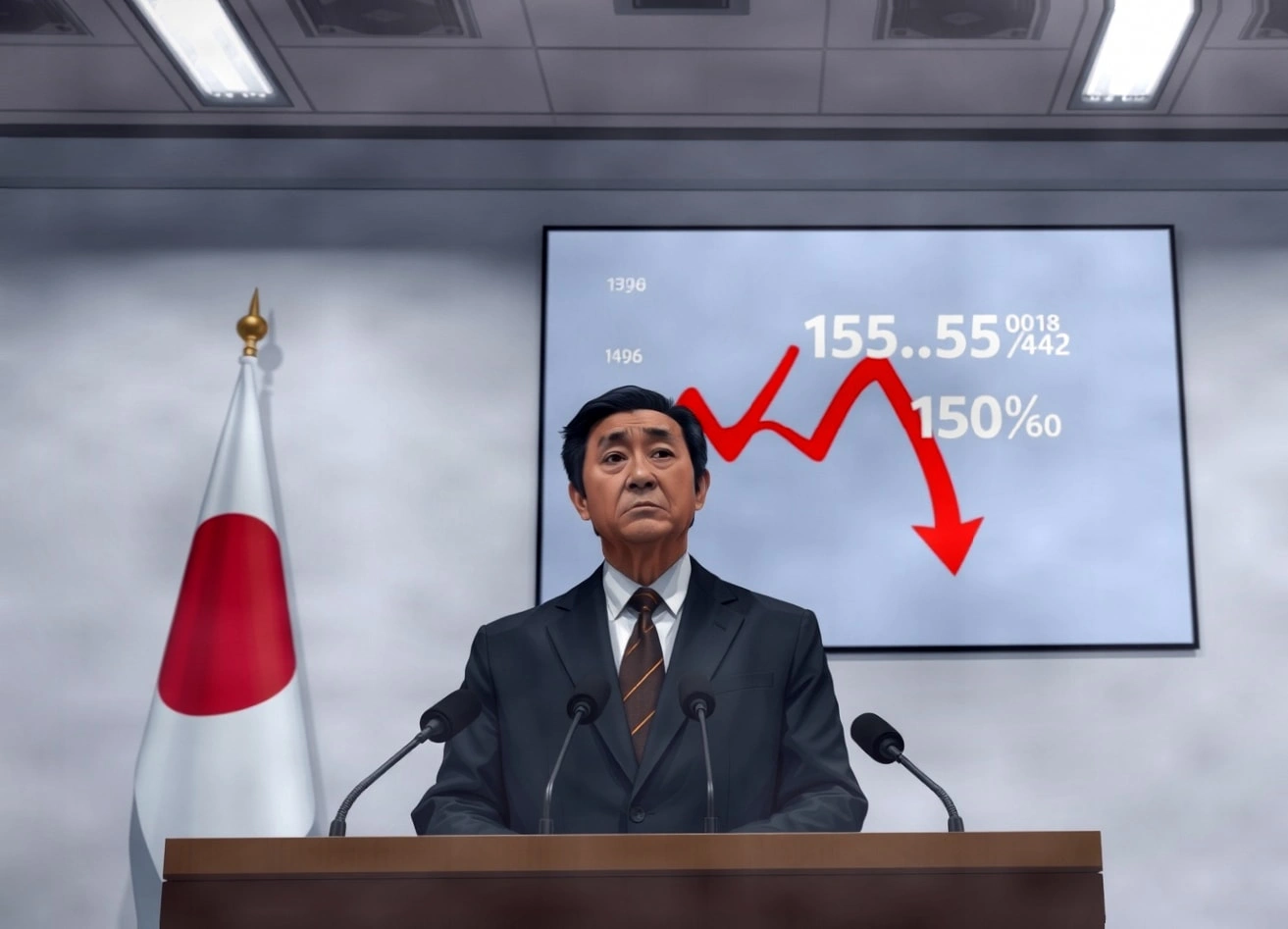
Japan's Second Bold Intervention
Market analyst Justin Low pointed out today that the Japanese Ministry of Finance has conducted a second currency intervention aimed at curbing the yen's extreme volatility. He explained that the second intervention would be more effective. Speculators trapped in the wrong trading direction may choose to wait and see, thereby alleviating the speculative pressure on the yen.
The USD/JPY exchange rate experienced a sudden sharp decline in a short period, dropping by 130 to 150 basis points. This movement quickly brought the exchange rate down to the level of 155.55. However, the rate rebounded immediately, indicating that the yen is still under strong selling pressure.
Low noted that the decision for the Ministry of Finance to intervene a second time demonstrates its firm resolve, as the relevant agencies hope to lower the exchange rate to a certain level at all costs. This move clearly showcases the policy intent to defend the yen. However, economists remain divided on the effectiveness of such interventions.
Fundamental Pressures Driving Yen Weakness
Despite the intervention, Low pointed out that all current fundamental factors are unfavorable for the yen. He believes policymakers are well aware of this reality. The analyst described the current situation as a "desperate phase" for Japanese authorities. Ongoing conflicts between the U.S. and Iran, along with the blockade of the Strait of Hormuz, have exacerbated the yen's weakness.
Geopolitical tensions are driving funds toward the dollar, which benefits from its status as a global reserve currency. In contrast, the yen, traditionally a safe-haven currency, has seen its appeal decline. With higher interest rates and a stronger economy in the U.S., investors now prefer the dollar.
Japan's monetary policy remains ultra-loose, with banks maintaining negative interest rates. This stands in stark contrast to the Federal Reserve's aggressive rate hikes. The widening interest rate gap between the U.S. and Japan continues to exert persistent downward pressure on the yen.
Cost of Intervention: Depletion of Forex Reserves
Low warned that depleting forex reserves merely to send a signal to the market is unnecessary. Japan has considerable reserves, but they are not endless. Each intervention consumes billions of dollars, and the Ministry of Finance must weigh the benefits against the costs of intervention.
Intervention can provide temporary relief, slowing the pace of yen depreciation. However, it does not address the root causes, and the yen's weakness will still face fundamental challenges.