

A study released earlier this year indicates that nearly two-thirds of submarine fiber optic internet cables (which carry about 99% of international internet traffic) must fail to significantly impact Bitcoin.
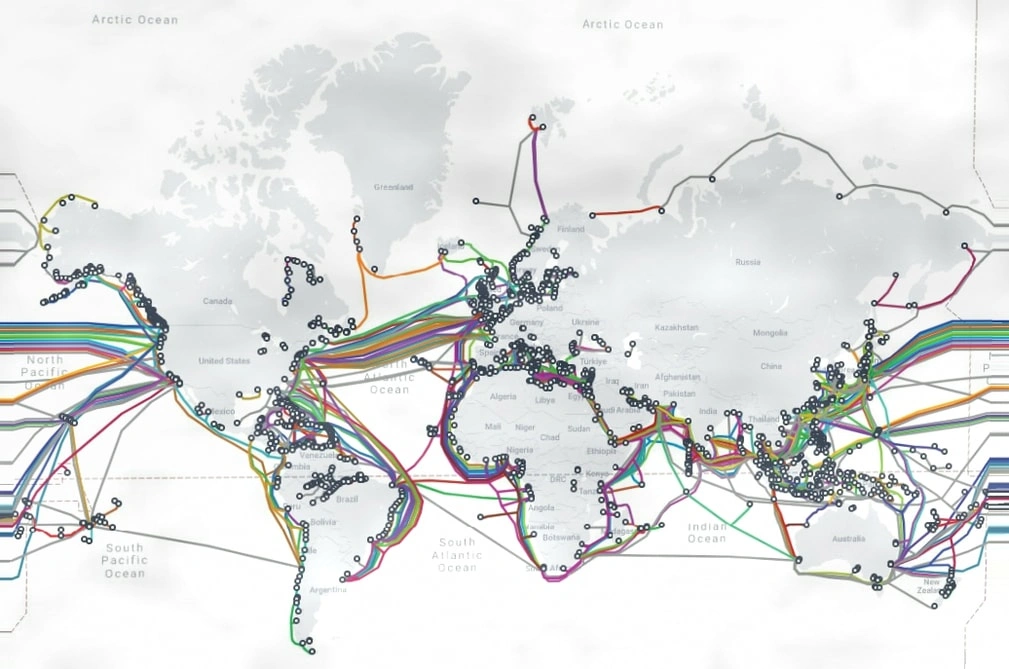
Researchers found that the critical threshold for random cable failures lies between 0.72 and 0.92, meaning that 72% to 92% of "transnational" submarine cables must fail to cause more than 10% of network nodes to disconnect.
However, the Bitcoin network is more susceptible to targeted attacks at certain critical nodes of submarine cables, the researchers noted, with the effectiveness of such attacks being "orders of magnitude more significant," and the critical failure threshold being between 0.05 and 0.20.
Tor Routing Provides Greater Resilience
The study also found that Tor (The Onion Router) "creates a composite interference barrier," considering the current concentration of relay infrastructure in well-connected European countries.
"The adoption of Tor enhances resilience in the current relay geographic environment rather than introducing potential vulnerabilities," the study noted.
This is because Tor relay infrastructure is primarily concentrated in countries like Germany, France, and the Netherlands, which have extensive and redundant submarine cable connections, making cable failures rarely affect relay capacity.

There is almost no correlation between cable incidents and Bitcoin prices.