

A Taiwanese legislator has officially submitted a report on a Bitcoin reserve strategy to the Prime Minister and the Central Bank Governor, marking the country's early exploration of using cryptocurrency as a tool to reduce dependence on the US dollar.
Key Takeaways
How Taiwan's Bitcoin reserve strategy will specifically operate
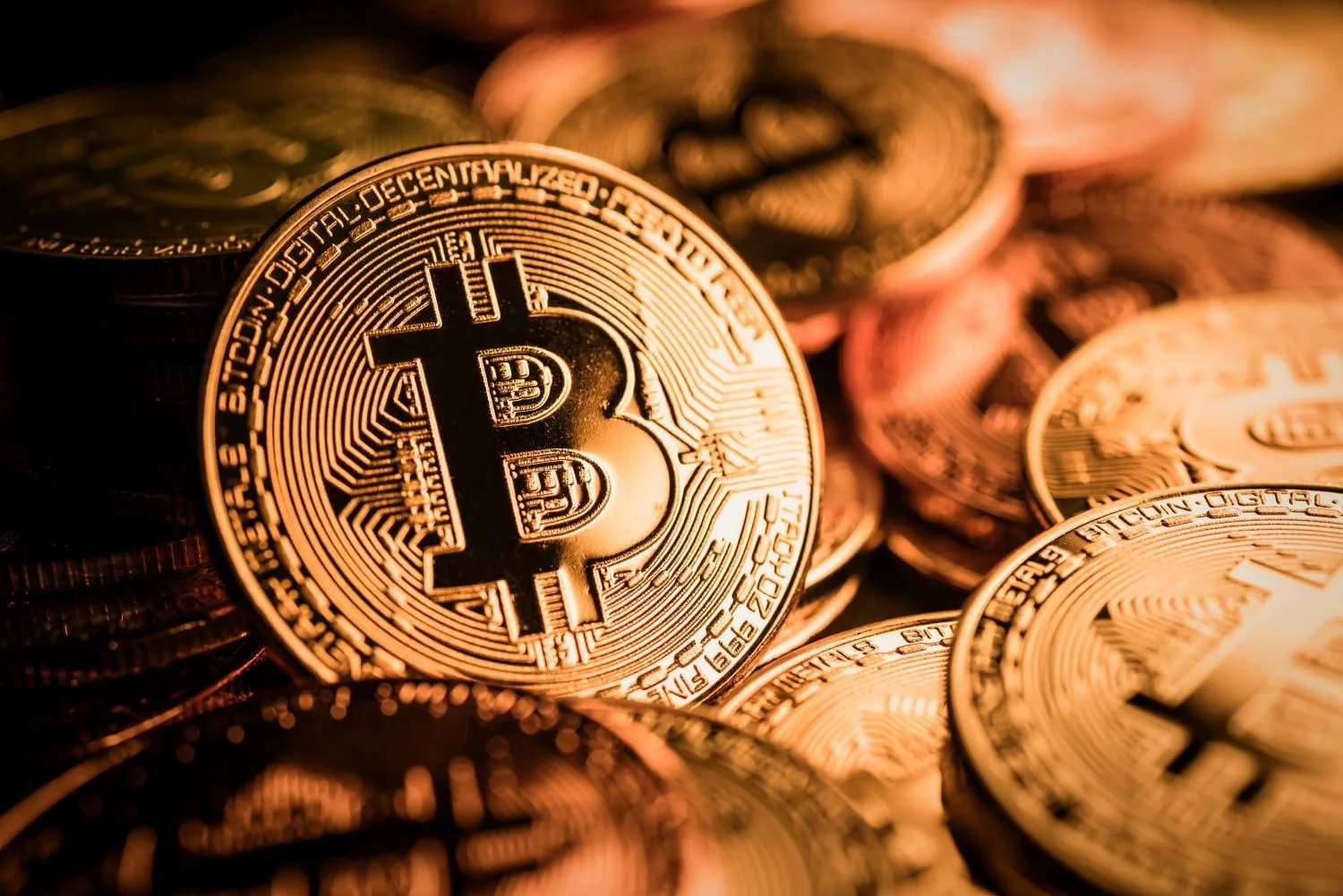
This is not a formal policy change. The move represents a public advocacy effort by a legislator rather than a government-sanctioned directive or initiative from the central bank. No formal legislation has been proposed, nor has a timeline for review been announced.
This distinction is crucial. Political discourse surrounding Bitcoin reserves has gained attention globally, but few proposals have moved beyond the discussion stage. Taiwan's case remains in its infancy, with the report serving more as a starting point for discussion rather than a policy blueprint.
Why Reducing Dependence on the Dollar is Central to the Debate

The framework of the proposal is directly related to reserve diversification. Like many export-oriented economies, Taiwan holds a significant portion of its assets denominated in US dollars. The Bitcoin reserve report views cryptocurrency as a potential hedge against the concentration risk of a single currency.
For Taiwan, geopolitical factors further strengthen the argument for diversification. A reserve strategy that reduces reliance on any single foreign currency could help mitigate external economic pressures, although the volatility of Bitcoin also brings its own risks.
What This Move Could Mean for Bitcoin and Regional Policy
Even as an early proposal, submitting the report to senior government officials carries symbolic weight. It indicates that discussions around Bitcoin reserves have reached a level of direct engagement with the leadership of central banks in major Asian economies.
The broader trend of sovereign Bitcoin reserve proposals, from the United States to smaller nations, suggests that this idea has shifted from a fringe advocacy to a recurring theme in fiscal policy debates. Whether Taiwan's proposal gains institutional support will depend on whether the central bank and executive branch view the report as actionable research or merely a political signal.