

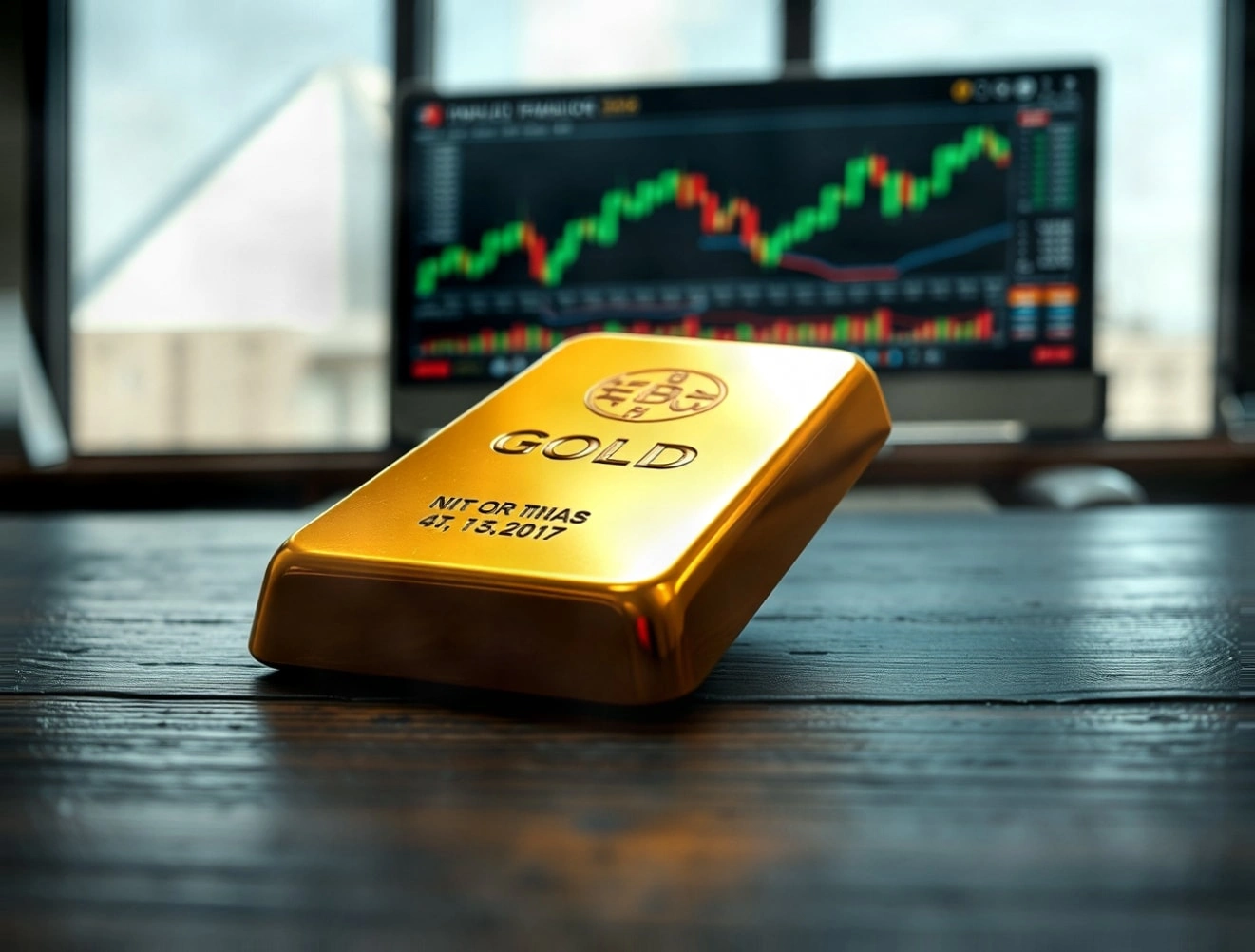
Gold prices have shown stable performance around the $5,000 mark, reflecting deep-seated caution in the market. Analysts believe this stability is the result of various intertwined macroeconomic factors. In particular, expectations surrounding the Federal Open Market Committee (FOMC) meeting have kept the market in a wait-and-see mode. Additionally, the policy divergence between the European Central Bank (ECB) and the Bank of Japan (BoJ) has added extra volatility to the currency markets, which typically benefits gold. According to market data from the London Bullion Market Association (LBMA), sustained physical demand has provided solid support for gold prices.
Historically, gold has performed well during periods of policy transition. For instance, the “taper tantrum” in 2013 and the rate hike cycle post-2016 both led to significant increases in gold prices. The current environment bears similarities to these uncertain times. Therefore, gold's strength is not coincidental but rather a reflection of its fundamental drivers.
Key Decisions from the Federal Reserve and Their Direct Impact
The market is focused on the upcoming interest rate decision and balance sheet strategy from the Federal Reserve. The central bank faces a delicate balance. On one hand, persistent inflation in the services sector demands a tight stance; on the other hand, signs of weakness in the labor market and manufacturing suggest that caution is necessary. This policy dilemma directly influences gold prices through multiple channels.
According to market-implied probabilities calculated from federal funds futures, traders currently have nuanced expectations regarding the interest rate decision. They are not only focused on the decision itself but also on the accompanying statements and Chairman Powell's press conference for clues about the future policy path.
Expert Analysis on Federal Policy and Gold Reaction Mechanisms
Dr. Anya Sharma, Chief Commodity Strategist at Global Market Insights, provided background analysis. “The gold market is pricing in a scenario of a ‘long-term high,’” she noted. “If the Fed confirms progress in achieving disinflation and hints at a slowdown in the pace of quantitative tightening, we could see gold prices decisively break through $5,000. However, if a firm hawkish stance is reiterated, it may lead to consolidation in the short term.” This analysis is based on decades of tracking Fed communications and their market impacts, reflecting deep expertise.
Divergent Landscape of Global Central Bank Policies
While the Fed is in the spotlight, actions from other major institutions are also creating strong currents. The divergence in global central bank policies presents both opportunities and risks for gold.
For example, the ECB may adopt a different pace in its rate-cutting timetable due to varying economic pressures. Similarly, the Bank of Japan's gradual exit from its ultra-loose yield curve control policy has significantly impacted the yen and global capital flows. Many central banks in emerging markets have remained net buyers of gold.