

Zondacrypto is a centralized exchange serving over one million users and dominating the retail crypto market in Poland. However, the platform began experiencing issues in December 2025, with user withdrawal requests delayed from a few minutes to several days. Management attributed this to high demand and new security protocols, and users did not panic. By the end of March 2026, a dedicated whistleblower website was launched to collect user complaints. Shortly thereafter, blockchain analysts revealed data that the exchange was reluctant to disclose: the Bitcoin holdings in Zondacrypto's known hot wallets plummeted from 55.7 BTC in August 2024 to just 0.086 BTC in April 2026, a staggering decline of 99.7%.
On April 17, 2026, CEO Przemysław Kral released a video attempting to quell speculation. He disclosed a cold wallet address holding 4,503 BTC, worth approximately $334 million. His argument was that these coins exist, and the exchange remains solvent, so users need not panic. However, the problem is that Kral admitted Zondacrypto cannot transfer these coins. Due to founder Sylwester Suszek's failure to transfer the private keys when he sold the company in 2021, these coins are now inaccessible. Suszek went missing in March 2022 and has not been heard from since, with even his family unable to confirm his status. The Polish National Prosecutor's Office has launched a formal criminal investigation into the matter.
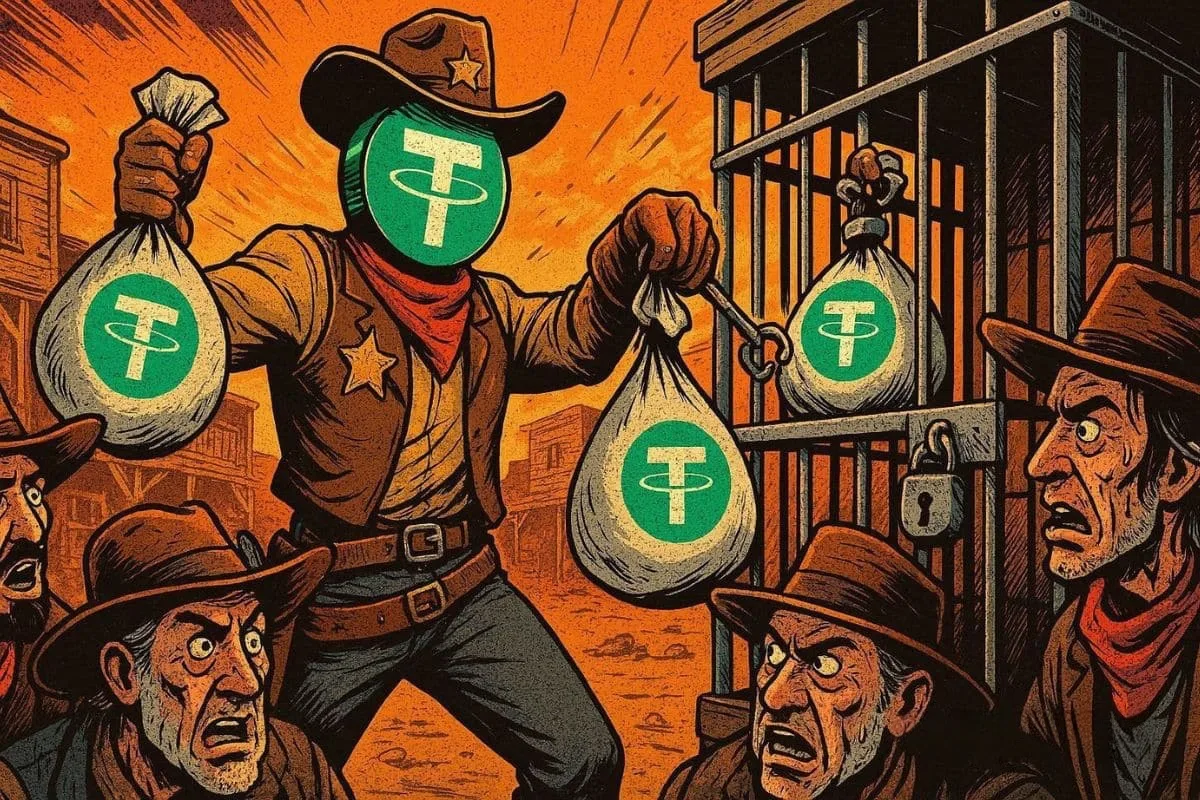
Zondacrypto was not hacked, nor did it experience protocol failures or black swan market events. Over one million customers have had their funds frozen due to the disappearance of a person who once held the keys. This is not a flaw in the system but rather the essence of the system.
Every centralized exchange is based on the same assumption: that a person you have never met will always be there to authorize your withdrawals. This person has a name, a passport, and a life outside the office. When Mt. Gox collapsed in 2014, it lost 850,000 BTC; when FTX collapsed in 2022, $8 billion of customer funds evaporated; another Polish exchange, BitMarket, closed in 2019, and its co-founder was later found dead, with funds unrecoverable.

The common thread in these cases is not necessarily fraud but dependency: a structural requirement that a person must always be accessible, cooperative, and alive.
Zondacrypto operated for years, handling real trading volumes and having real customers, yet it collapsed due to an untested single point of failure.
Self-custody infrastructure follows principles that are entirely different from traditional exchanges. When you trade through a non-custodial platform, you are not opening a deposit account or storing assets long-term. The entire process is based on a “transit” model: funds are sent from your private wallet, and once the transaction is executed, the funds are returned directly to an address you fully control.
“We are often asked: What happens to user funds if something goes wrong on your end? The answer is…