

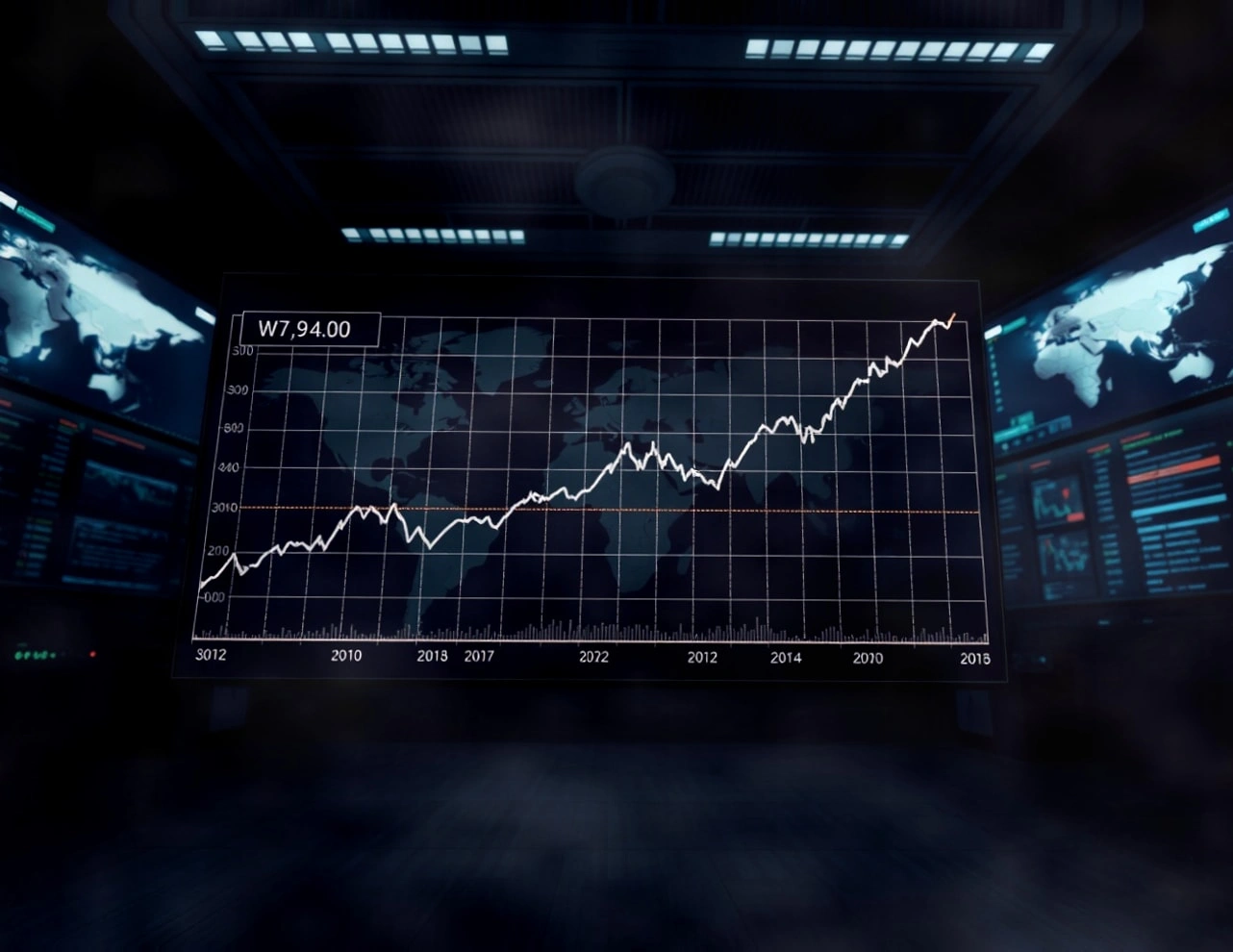
International crude oil prices have surged significantly due to escalating geopolitical tensions in the Middle East. As of early October 2024, West Texas Intermediate (WTI) crude futures have surpassed the critical $94 per barrel mark, signaling potential shocks to global supply chains and macroeconomic stability. Analysts are closely monitoring developments and their implications for inflation and economic growth forecasts.
Drivers of WTI Crude Price Increase and Market Reactions
The recent rise in WTI crude prices is a result of both short-term events and long-term structural market factors. The primary reason is the renewed military activity and escalating rhetoric in major oil-producing regions of the Middle East, which has significantly increased market risk premiums, reflecting traders' concerns over potential supply disruptions. Additionally, OPEC+ production limits and resilient global demand have formed a solid foundation supporting higher oil prices. Market data shows that as oil prices rise, trading volumes have also surged, indicating increased speculation and hedging activities.
Historically, turmoil in the Middle East has been a significant factor influencing benchmark crude oil prices. Past experiences indicate a clear correlation between regional conflicts and spikes in oil prices. The current situation bears similarities to patterns observed during previous periods of tension. Key market indicators, such as the spot premium on futures contracts (where near-term contract prices exceed those of longer-term contracts), suggest that traders expect supply to tighten in the short term. This market structure often foreshadows a reduction in inventories.
Geopolitical Context of Middle East Turmoil
Currently, several hotspots in the region are experiencing heightened tensions. Strategic maritime routes, including the Strait of Hormuz, are crucial for global oil transportation. Any threats to these shipping lanes would immediately impact global supply expectations. Furthermore, the political dynamics within major oil-producing countries have exacerbated overall uncertainty. Despite diplomatic efforts to ease tensions, there has been little public progress so far, and market sentiment remains fragile.
The impact of regional conflicts extends beyond immediate oil flows. It also relates to regional stability, international relations, and security agreements. Energy infrastructure, including pipelines and export terminals, may become indirect targets or face operational delays. Consequently, major security analysis firms have raised their risk assessments for the entire Persian Gulf region. This reassessment directly affects the models used by commodity traders and investment banks.
Expert Analysis on Supply Chain Vulnerabilities
Energy market strategists have highlighted the fragility of the “just-in-time” global inventory system. A senior analyst from a prominent energy consulting firm noted, “The global oil market has very little spare capacity left. When geopolitical shocks occur, the buffering ability is extremely limited.”