

Reserve Bank of Australia Governor Michele Bullock's important speech in Sydney analyzed the economic policy direction post-rate hike, emphasizing the impact of inflationary pressures and global economic challenges on monetary policy.
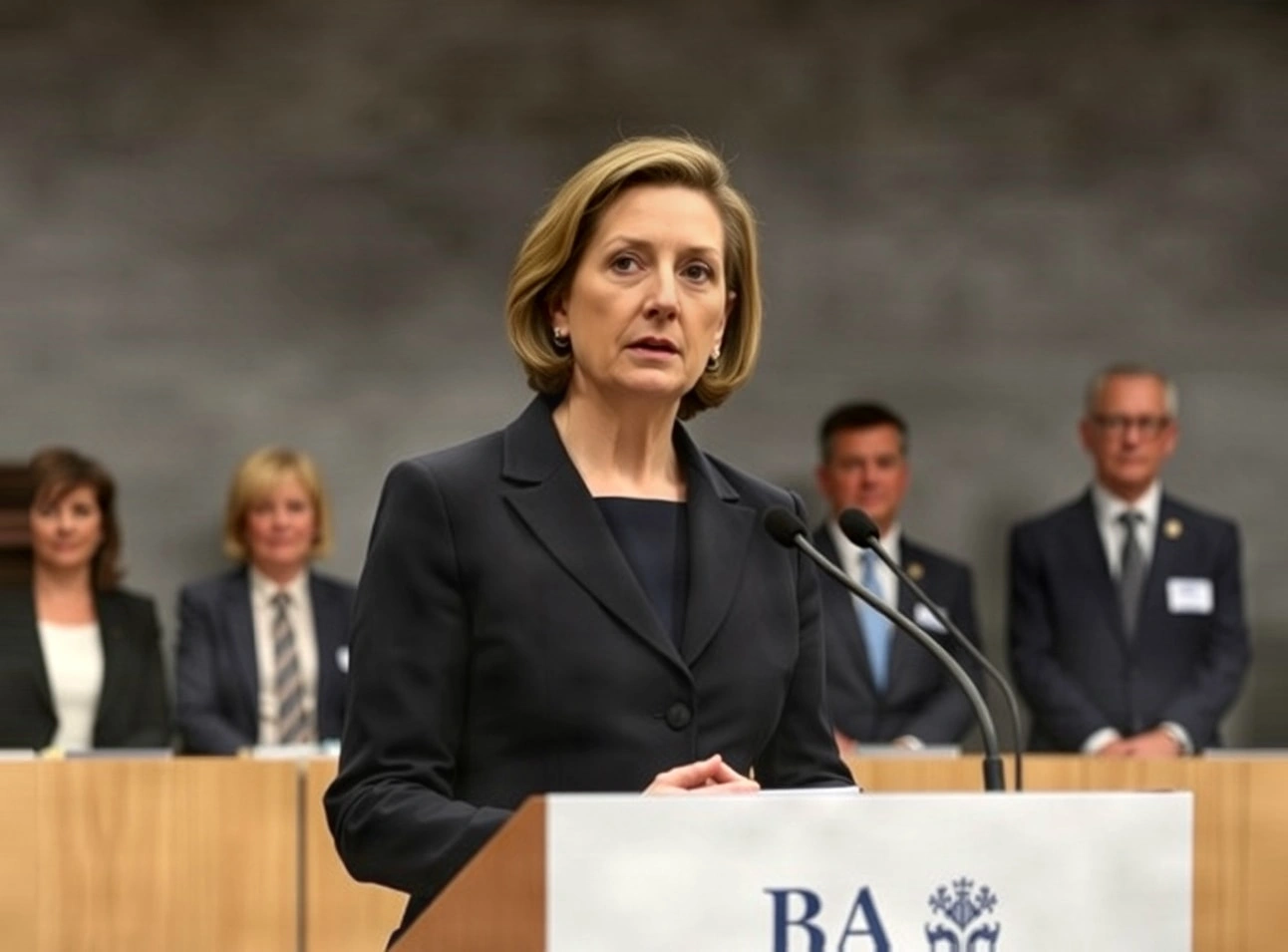
RBA Governor Bullock's Monetary Policy Framework
In her speech, Governor Bullock elaborated on the Reserve Bank's comprehensive policy framework. The central bank raised the official cash rate to 4.60%, marking the fourteenth rate hike since May 2022. This decision reflects the RBA's continued commitment to restoring the inflation rate to its target range of 2-3%. Bullock emphasized that the monetary policy stance remains tight, and if inflation proves to be more stubborn than expected, further tightening remains a possibility.
Governor Bullock provided a detailed analysis of several key factors influencing the rate hike decision. First, despite recent easing, domestic inflation remains elevated. Second, the labor market is gradually loosening but still tight. Third, household consumption patterns continue to reflect cost-of-living pressures. Finally, the global economic landscape presents both challenges and opportunities for Australia's economic outlook.
Inflation Dynamics and Economic Forecasts
Bullock conducted a thorough analysis of Australia's inflation trajectory in her speech. By September 2025, the consumer price index is projected to rise by 3.8%, down from a peak of 5.2% in December 2024. However, inflation in the services sector remains stubbornly high at 4.5%, posing a particular challenge for monetary policy. Bullock noted that the pace of easing in goods inflation is quicker, reflecting improvements in global supply chains and weakened demand.
The Reserve Bank's latest economic forecasts point to several important trends:
Expert Analysis of Policy Transmission
Economic analysts highlighted the complex transmission mechanisms of recent rate hikes. Historical data from previous tightening cycles suggests that changes in monetary policy typically take 12-18 months to fully impact the economy. The effectiveness of the current cycle appears to align with these historical patterns. However, Bullock noted that due to high levels of household debt and increased sensitivity to interest rate changes, the transmission process may be occurring more rapidly.
In her remarks, RBA Governor referenced some international comparisons. Compared to the Federal Reserve and the Bank of Canada, Australia's monetary policy tightening has been less aggressive, but it has been more sustained compared to the European Central Bank's approach. This carefully calibrated response reflects Australia's unique economic circumstances, including its commodity export mix and dynamics in the real estate market.
Financial Market Reactions and Implications
The financial markets reacted cautiously to Bullock's policy outlook speech. The Australian dollar initially appreciated following the speech but then...