

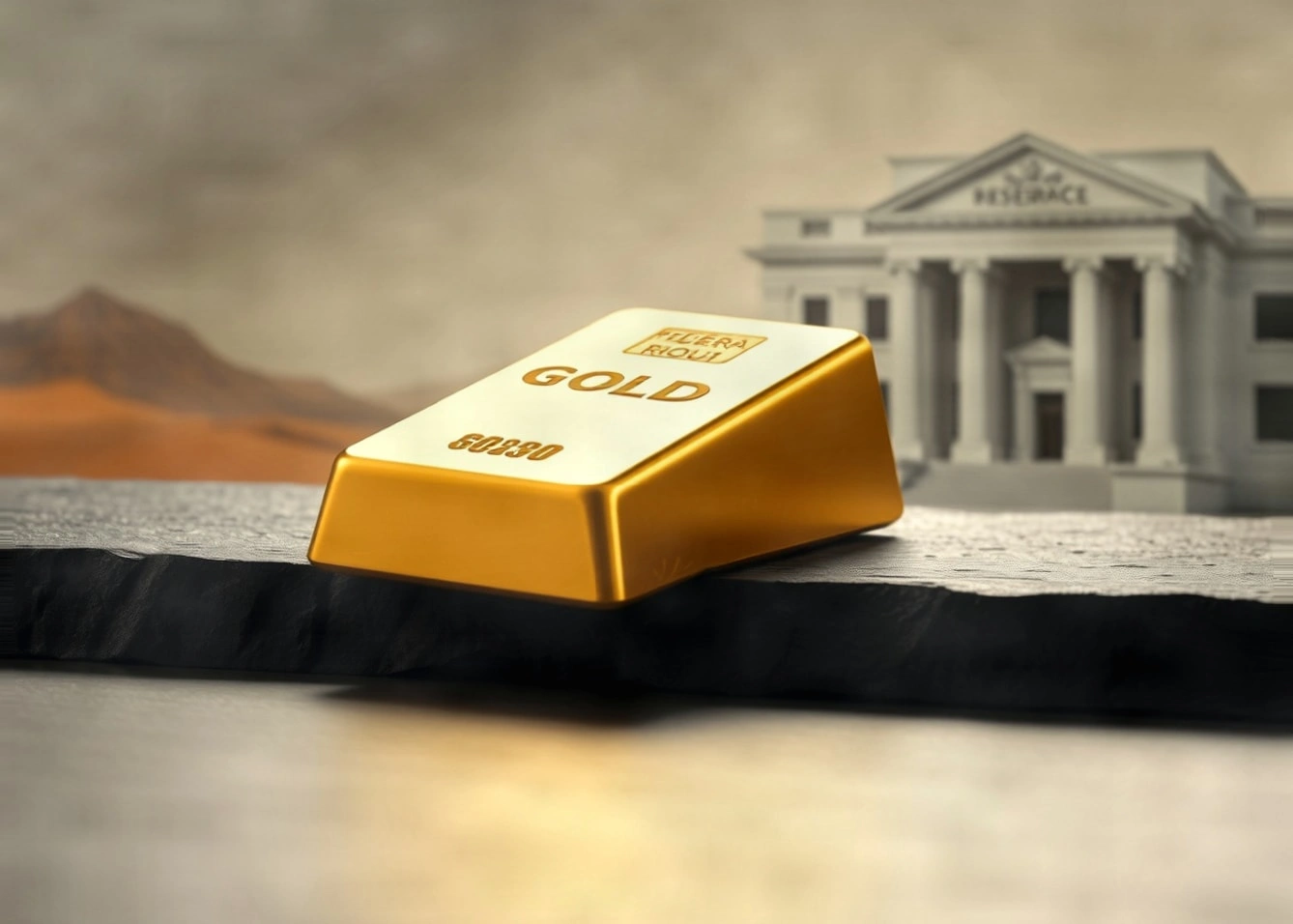
In the global financial markets, gold prices have demonstrated remarkable resilience, firmly maintaining recent gains. Behind this phenomenon is the escalating geopolitical tension in the Middle East, which is effectively counterbalancing the market's fading expectations for significant rate cuts by the Federal Reserve. This interplay of opposing forces has made gold a key indicator of geopolitical risk and monetary policy trends. Market analysts are closely monitoring this delicate balance, as it reveals the complex factors currently influencing commodity valuations and global investor behavior.
Gold Price Evolution: The Balancing Role of Geopolitics
Historically, gold has been the preferred safe-haven asset during times of international turmoil. Recently, the escalation of conflicts in the Middle East and increasing strategic uncertainty have prompted both institutional and retail investors to show significant inflows into “safe assets.” This surge in demand has provided strong support for gold prices. Market data from major exchanges consistently show that during periods of geopolitical tension, trading volumes and open interest in gold futures have significantly increased. Additionally, central banks in multiple countries continue to strategically increase their gold reserves, providing structural support for gold prices, even during periods of a strengthening dollar.
The relationship between geopolitical pressure and gold prices has been extensively studied and can be quantified. For instance, during past similar periods of tension, gold has typically outperformed other major asset classes. This pattern highlights gold's unique role in portfolio diversification. When risk perception rises, investors often reallocate capital from stocks and corporate bonds into physical gold and gold-backed exchange-traded funds (ETFs). This behavioral shift creates a predictable and robust price support mechanism, effectively countering other factors that may depress gold prices.
Direct Market Impact Analysis
Geopolitical events influence gold prices through several clear channels. First, they exacerbate uncertainty, driving demand for tangible, non-sovereign assets. Second, they may disrupt supply chains of other commodities, making gold a more attractive alternative. Third, they can impact oil prices, which in turn affects broader inflation expectations—another key driver for gold. The current situation exemplifies the simultaneous operation of these three channels, providing a strong argument for gold's robust rise despite headwinds from monetary policy.
The Fed's Key Role in Gold Valuation
On the other hand, the Federal Reserve's monetary policy outlook has a significant impact on gold prices, typically moving in the opposite direction of geopolitical factors. Recently, stronger-than-expected economic data, particularly in employment and inflation, has led market participants to lower their expectations for the speed and magnitude of future Fed rate cuts. Rising interest rate expectations...