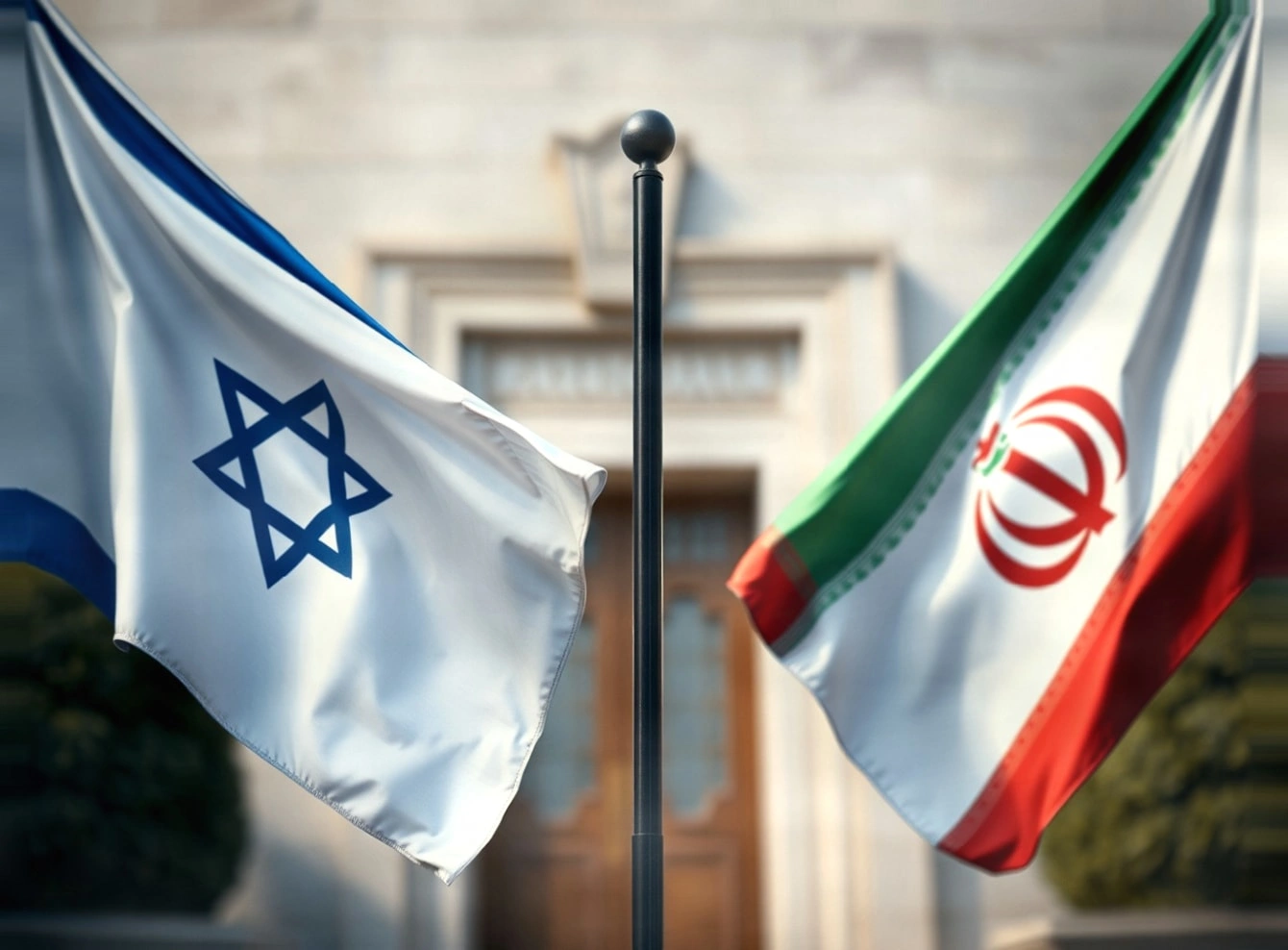
Israel's response to Iran's attack on the U.S. Embassy in Iraq marks a significant escalation in the Middle East, potentially leading to broader conflict. This article delves into the historical context, military dynamics, and diplomatic prospects of the incident.
Amid a significant escalation in regional tensions, Israel has publicly committed to retaliatory measures against Iran for its attack on the U.S. Embassy in Iraq, triggering a new round of geopolitical crises in the Middle East. This incident has been confirmed by multiple government sources in Jerusalem and Washington, marking a direct challenge to regional stability agreements and potentially sparking broader multilateral conflicts. This situation necessitates a careful examination of the historical context, current military dynamics, and future potential diplomatic avenues. Israel's Retaliation Vow The Israeli government has issued a warning of retaliation through official channels, targeting a series of coordinated attacks on U.S. diplomatic facilities as described by security analysts. According to confirmation reports from regional security monitoring agencies, these incidents involved multiple ballistic strikes on the U.S. embassy complex located in Baghdad's Green Zone. While initial damage assessments remain classified, the symbolic significance of attacking U.S. diplomatic territory and provoking a response from Israel creates a complex triangular confrontation. Regional security experts note that this marks a strategic escalation in Iran's proxy warfare tactics. Historically, Iran-backed militia groups have taken a calculated ambiguous stance on direct responsibility. However, recent intelligence assessments indicate that Iran has shifted to more overt actions to test the limits of international response. Israel's statement of retaliation breaks from the previous pattern of covert responses, signaling a shift towards more public accountability measures. Military and Intelligence Assessments Defense analysts have highlighted several key factors in this evolving situation. First, geographical considerations present operational challenges. Israel needs to project power across multiple sovereign territories to strike Iranian assets, complicating any direct military response. Second, this occurs amid ongoing nuclear negotiations, suggesting a potential link between diplomatic and military pressures. Third, the complex relationships of regional allies such as Saudi Arabia and the UAE with both parties create diplomatic cross-pressures. The following table outlines key timelines of recent escalatory events: Regional Security Impacts and Responses The U.S. has approximately 2,500 troops stationed in Iraq, primarily for advisory roles, but recent attacks have prompted a bolstered defensive posture. Pentagon officials confirmed that additional aerial defense systems have been deployed around diplomatic facilities following the latest incidents. Meanwhile, regional partners, including Jordan and Kuwait, have also enhanced border security measures to address potential spillover effects.
0 comment A文章作者M管理员
No Comments Yet. Be the first to share what you think
❯
Profile
Search
Checking in, please wait...
Click for today's check-in bonus!
You have earned {{mission.data.mission.credit}} points today