

Recently, hostilities between Iran and regional powers have intensified, with frequent missile exchanges occurring. As this article is being written, explosions have been reported in Doha. Notably, Iran's targeting strategy has shifted, with a significant increase in the number of missiles launched, now more aimed at Gulf states rather than Israel, causing greater damage to its Arab neighbors. As the conflict continues, the growing concerns among Gulf states may prompt them to reassess their previously restrained responses, paving the way for potential counteractions. Meanwhile, senior White House advisor Kevin Hassett and other officials are closely monitoring the situation and making related statements.
White House Response
Expectations for a swift end to hostilities are gradually fading. Former President Trump had confidently predicted that Iran's related actions would conclude within four weeks. However, as the fourth week arrives, Iranian officials insist they have not communicated with the U.S., making any prospects for negotiation or compromise seem bleak. Against this backdrop of escalating tensions, Hassett briefed the media on emergency measures and the government's future outlook.
“If necessary, we are prepared to coordinate the release of additional oil reserves. We expect the conflict with Iran to be resolved in the short term. The plan also includes ensuring that fertilizers and fuels can be transported to the West Coast. Iran's actions have not undermined the fundamental strength of the U.S. economy. President Trump is determined not to back down until a solution is reached. Once the conflict ends, a meeting between Trump and Xi Jinping is anticipated. Our baseline scenario remains a timeline of four to six weeks, and we are in a favorable position,” Hassett stated.
Tremors in the Gulf Region
The recent explosion in Doha appears to coincide closely with the timing of Israeli airstrikes on Iranian targets, indicating a direct connection between the two. The escalation of the situation has heightened concerns in the Gulf region, which is bearing the brunt of Iranian missile attacks. If the six-week maximum intervention period mentioned by U.S. officials is maintained, it suggests that the Trump administration may have devised a rapid de-escalation strategy. However, the specific details of this plan remain unclear and are expected to be further elaborated in the coming days.
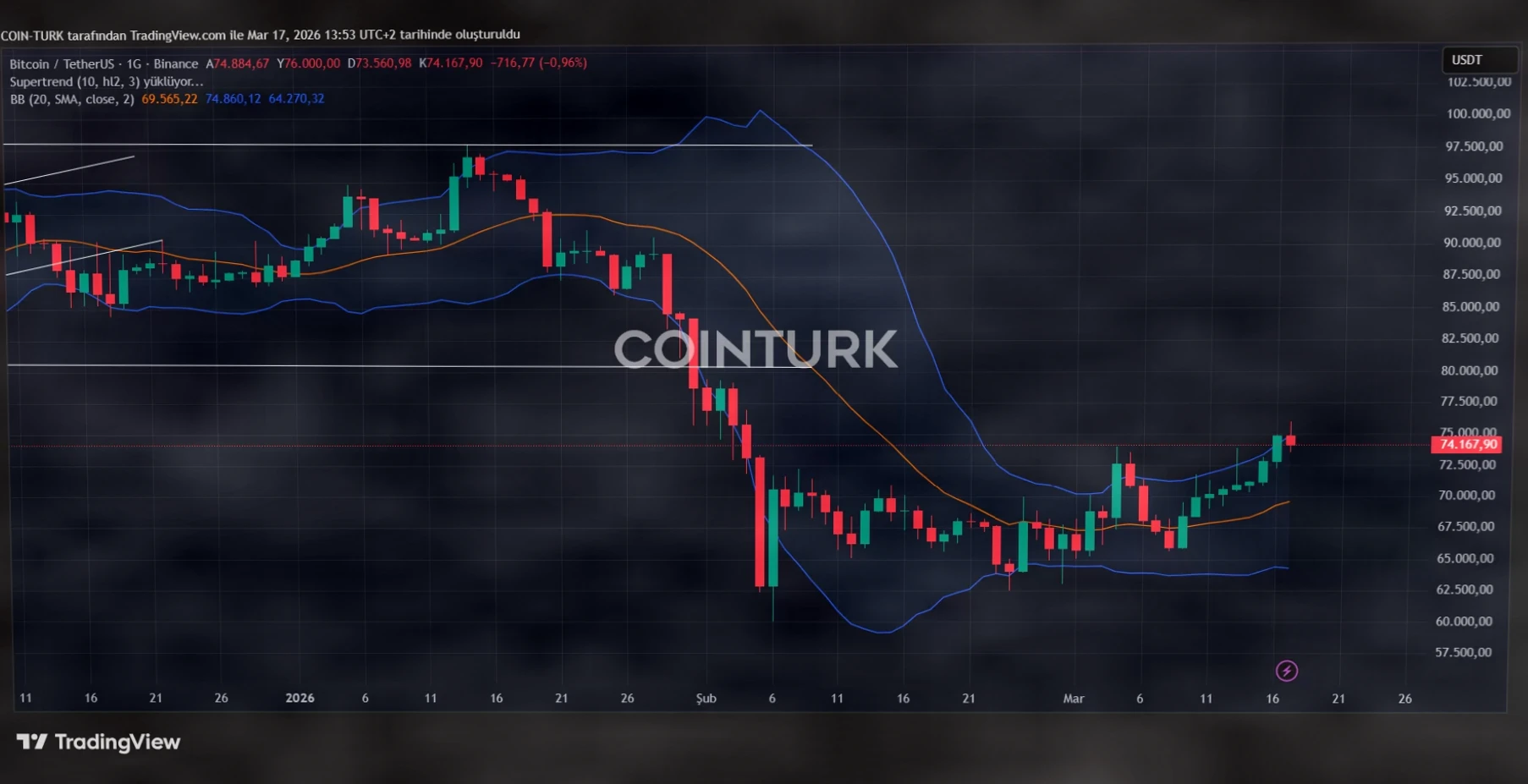
If things go awry, and a robust plan fails to materialize while overly optimistic timelines persist, the resulting disappointment could ripple through financial markets, exacerbating market volatility. This dynamic not only heightens geopolitical risks but also threatens the stability of the regional economy, especially against the backdrop of global markets already wary of supply chain disruptions in the Gulf region.
As the situation develops, Gulf states are facing complex choices. Iran's missile strikes have drained their resources and patience. Some analysts suggest that actors in the region may soon abandon their cautious stance in favor of more aggressive defensive measures.