

Despite Bitcoin's (BTC) market price showing a lackluster performance over the past year, significantly below its historical highs, the data on its underlying network adoption reveals a starkly different picture. By 2025, Bitcoin has achieved significant expansion across multiple levels, including institutions, banks, enterprises, merchants, and sovereign entities. These profound structural changes indicate a strengthening position within the global financial system.
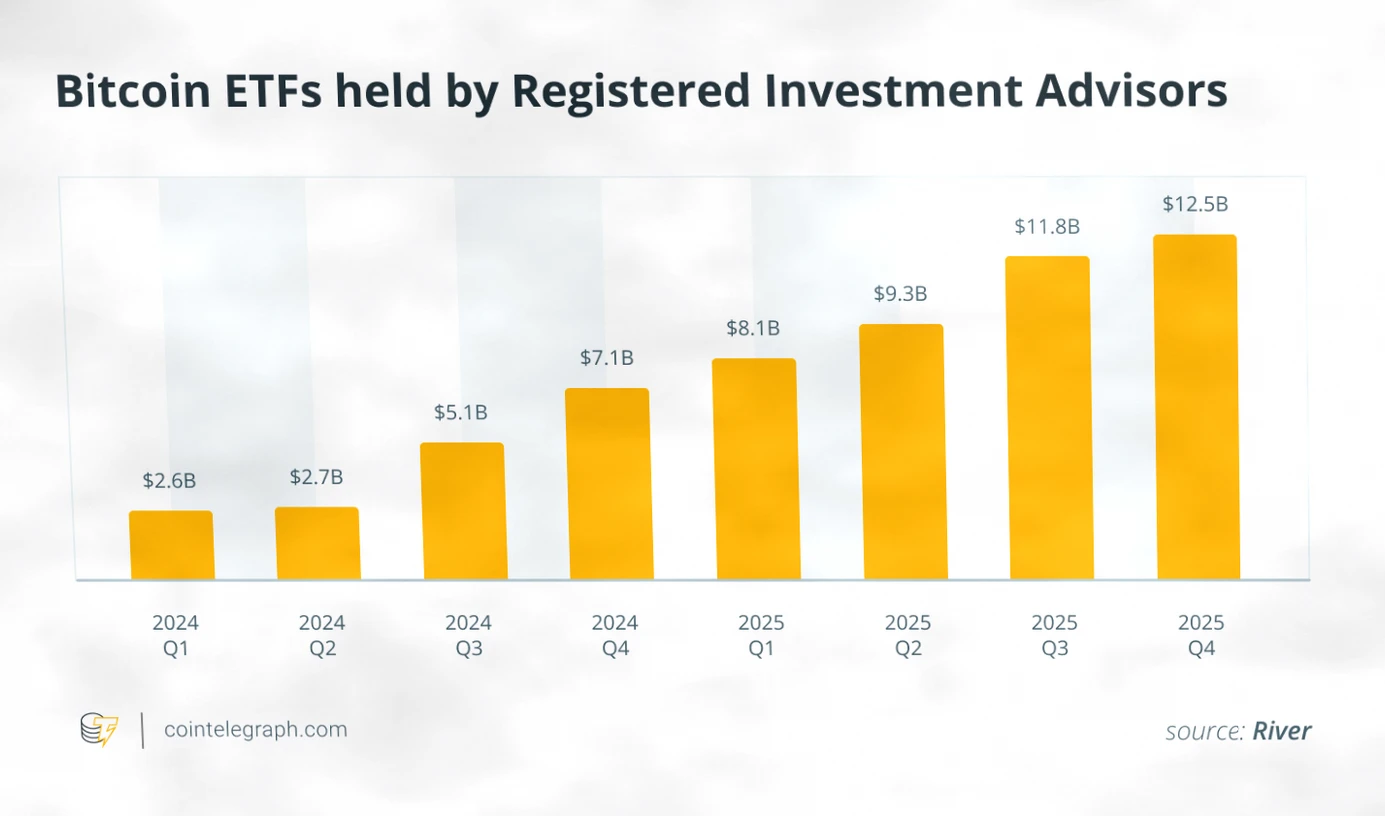
This divergence between price and adoption rates stems from the fact that short-term market prices are often influenced by speculative noise, while long-term structural adoption is driven by deep institutional engagement. In short, Bitcoin's fundamentals are growing at an unprecedented pace, even as its trading price stagnates.
This article will delve into why Bitcoin's structural adoption is accelerating in areas such as institutions, advisors, enterprises, and merchants, despite its less-than-stellar price performance. Additionally, it will explain how factors like ownership transfer, small transactions, and macro liquidity impact the immediate effect of adoption rates on short-term prices.
Bitcoin's price trends reflect short-term marginal buying and selling activities, while its adoption rate represents long-term structural changes. Even if market prices remain flat or decline, the expansion of ownership, institutional integration, and merchant growth can still accelerate development.
By 2025, Bitcoin has achieved significant expansion in institutions, banks, enterprises, merchants, and sovereign entities. These changes signify a deeper foundation for Bitcoin within the global financial system, even if its publicly traded market price may not be impressive.
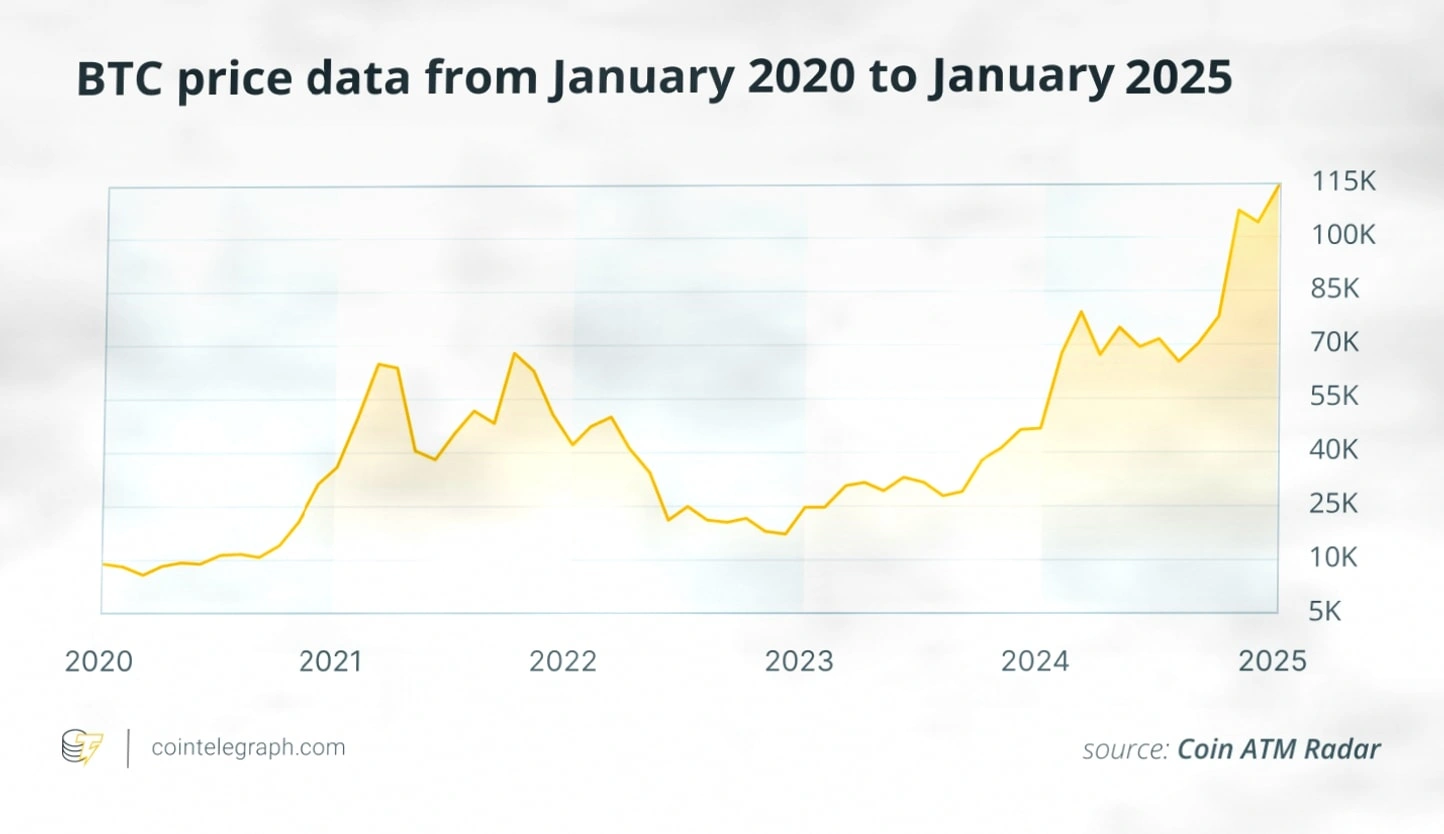
Although institutional investors are accumulating Bitcoin in large quantities, a considerable portion of the demand is offset by sell-offs from long-term holders. As supply changes hands among different groups, market prices may trend towards consolidation rather than soaring.
The widespread adoption by merchants and the expansion of the Lightning Network have significantly enhanced Bitcoin's practical application value. However, if merchants quickly convert the Bitcoin they receive into fiat currency, it will limit sustained net buying pressure unless they choose to hold Bitcoin.