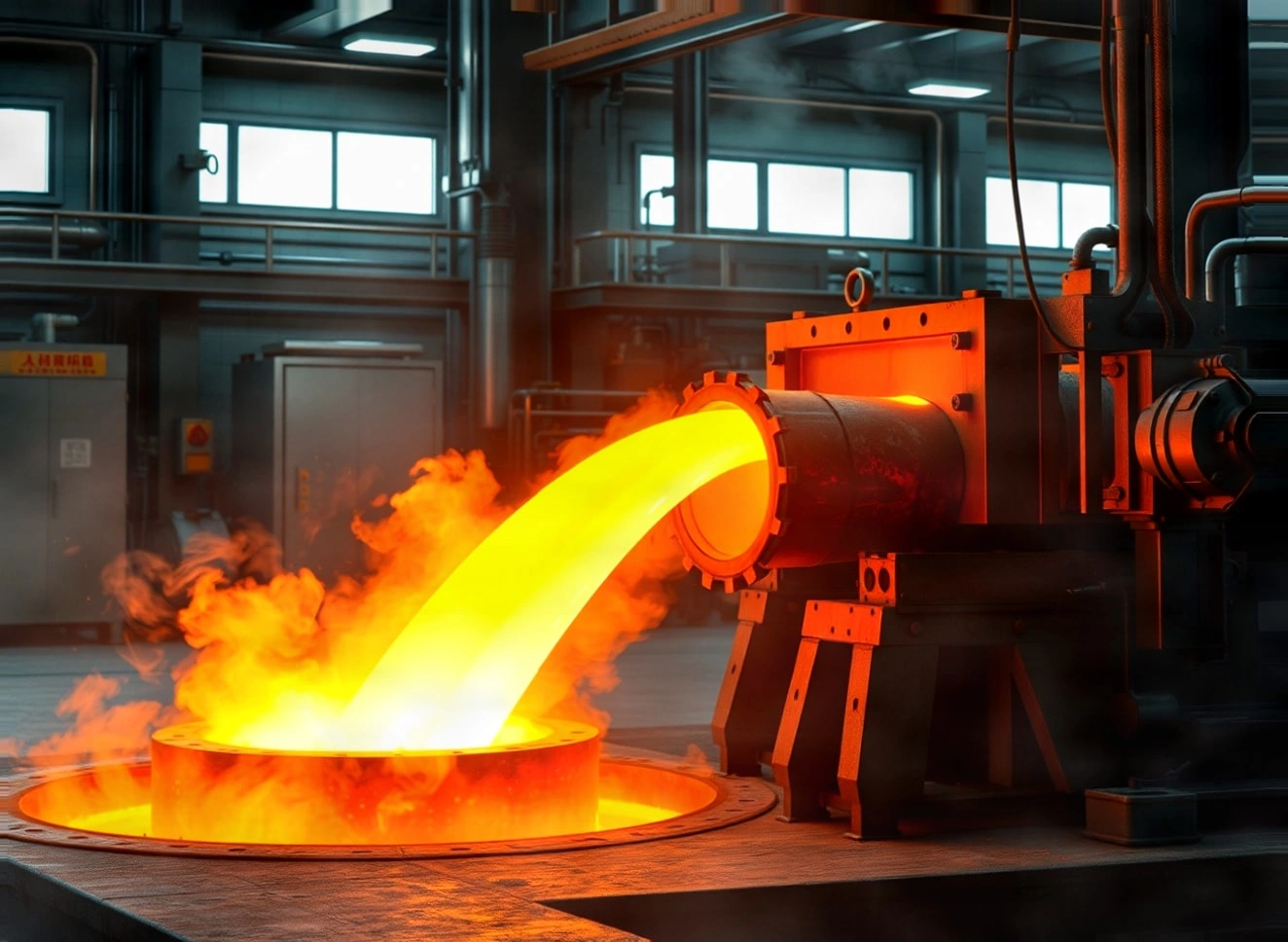
Commerzbank analysis reveals China's aluminum production is surging unexpectedly, defying price signals. Stable energy costs, domestic demand, and strategic supply chain positioning are key drivers, indicating a complex market dynamic that could reshape global aluminum pricing.
Germany's Commerzbank, in a recent analysis, has highlighted an unexpected surge in China's aluminum production, defying market price signals that typically aim to curb output. This phenomenon signals a significant shift in the global industrial metals landscape, compelling manufacturers and traders to adapt to evolving supply dynamics. Research data from the Frankfurt-based bank reveals production levels that challenge conventional market expectations, potentially reshaping global aluminum pricing and availability.
**China's Aluminum Production Exceeds Market Expectations**
According to Commerzbank's latest analysis of the metals market, China's aluminum smelters are consistently operating at levels exceeding theoretical capacity limits. This surge in production occurs precisely when price signals would normally encourage output adjustments during periods of market oversupply. The bank's data indicates that actual production levels in China's major aluminum-producing regions are approximately 3-5% higher than previously forecasted. This unexpected output level is particularly noteworthy given the current pressure on global aluminum inventories, coupled with increasing manufacturing demand and supply chain considerations.
The factors contributing to this production resilience are multifaceted. Chinese aluminum smelters benefit from relatively stable energy costs compared to their European counterparts, who are grappling with volatile energy markets. Furthermore, ongoing domestic infrastructure projects maintain a steady internal demand for Chinese aluminum. China's strategic position within global supply chains also encourages production continuity, even when international price signals might suggest more moderate output reductions.
**Price Signals Fail to Curb Production Effectively**
Traditional market theory posits that rising prices should incentivize increased production, while falling prices should lead to reduced output. However, the current dynamics in the aluminum market reveal a more complex relationship. Analysts at Commerzbank point out that Chinese producers appear less sensitive to price signals compared to historical patterns. This development challenges conventional commodity market analysis and suggests potential structural changes in how production decisions are made.
Several economic factors can explain this apparent disconnect. The cost structures of Chinese aluminum producers differ from those of their Western counterparts, leading to varying sensitivities to international price fluctuations. Government support for strategic industries, possibly through indirect subsidies or incentives, may offset the impact of market price signals. Additionally, long-term contracts with domestic manufacturers could ensure production stability, insulating them from short-term international market price volatility.
**Commerzbank's Analytical Perspective**
Commerzbank's commodity research team employs advanced modeling techniques to track capacity utilization within China's aluminum sector. Their analysis incorporates multiple dimensions, including energy costs, raw material availability, transportation logistics, and policy considerations. The bank's researchers observe that while price signals typically influence production decisions...
0 comment A文章作者M管理员
No Comments Yet. Be the first to share what you think
❯
Profile
Search
Checking in, please wait...
Click for today's check-in bonus!
You have earned {{mission.data.mission.credit}} points today