

OpenSea does not want to be remembered solely as a representative of the NFT boom. At the Consensus conference in Miami this Thursday, the company's Chief Marketing Officer Adam Hollander introduced an integrated non-custodial application that combines NFTs, altcoins, perpetual contracts, and major cryptocurrencies to Karnika E. Yashwant, founder and CEO of KEY Difference Media.
At the start of the interview, Yashwant asked Adam how he got to where he is today, inquiring, "How did you get into this industry? What are you doing now?"
Adam responded that he initially founded a software company, which he sold to Microsoft (NASDAQ: MSFT), and subsequently accumulated years of experience in larger-scale product development and marketing.
He further explained, "After leaving Microsoft, I returned to Austin, Texas, and served as the COO of a medical education company for four and a half years. After that, I delved deeply into the NFT and digital asset space as a collector and trader, and began actively promoting the technology we all believe in and love. About a year ago, I spoke with OpenSea CEO Devin and decided to join as CMO."
Adam stated that OpenSea is working to make cryptocurrency usage more convenient without requiring users to understand every blockchain.
He noted that while most people at the event still view OpenSea as the world's largest NFT marketplace, its products have actually undergone significant changes.
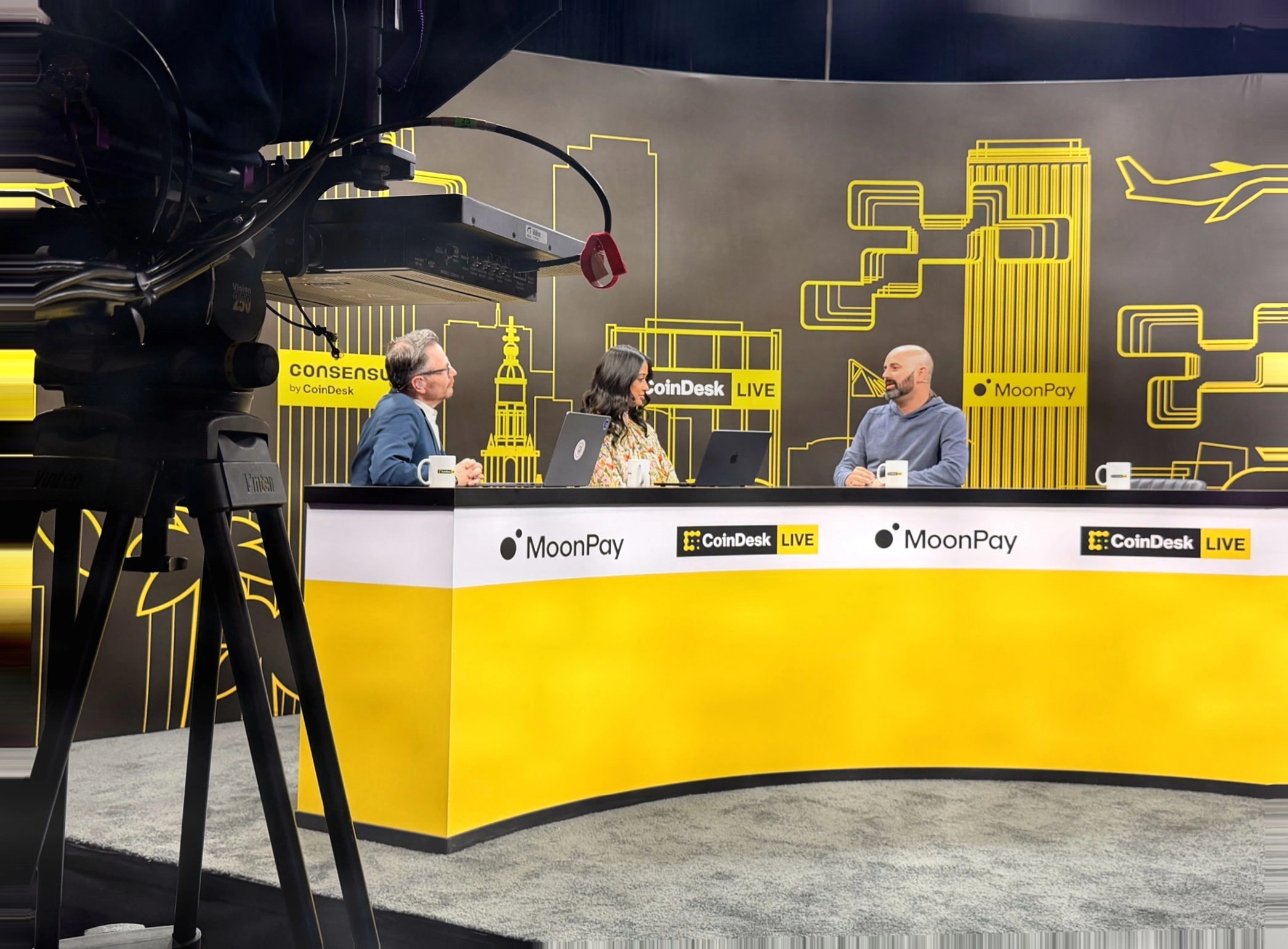
"Now users can trade major cryptocurrencies, altcoins, and perpetual contracts across 26 chains," Adam said. He added that users can integrate their wallets, assets, and chains into one portfolio without bridging.
Adam indicated that the new OpenSea aims to serve those who value ownership of their assets, rather than keeping all assets locked within closed applications. "If you care about non-custodial crypto assets and ownership of assets, OpenSea is actually the best platform for discovering, owning, or trading anything on-chain."
According to Adam, the concept of ownership of digital assets has always been strong, but many buyers in 2021 and 2022 were not purchasing out of interest in art, community, access, or utility, but rather because they were betting that someone in the future would pay a higher price.
However, the core issue is being able to prove who owns a digital asset, understand its provenance, and track its history.
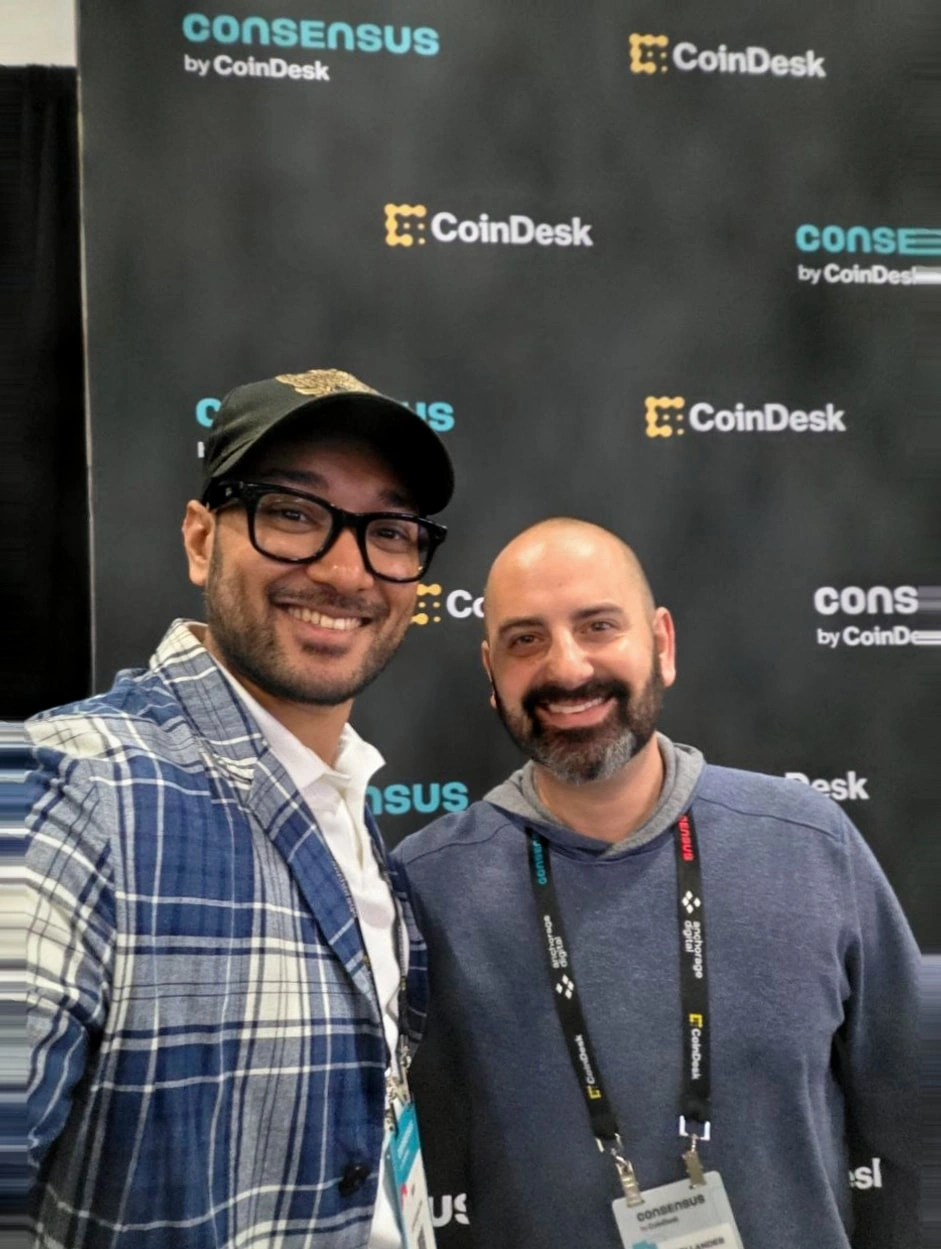
Yashwant then asked, "So, how long did it take to launch OpenSea's new products?" Adam told us that OpenSea rebuilt the platform about a year ago and launched version OS2, as the old version was not suitable for the products the company now wants to develop.
Adam stated that the core of this rebuild was the infrastructure. "We realized that the foundation of OpenSea, the supporting system behind it, was not built in a way that could support our current vision during the initial version."