

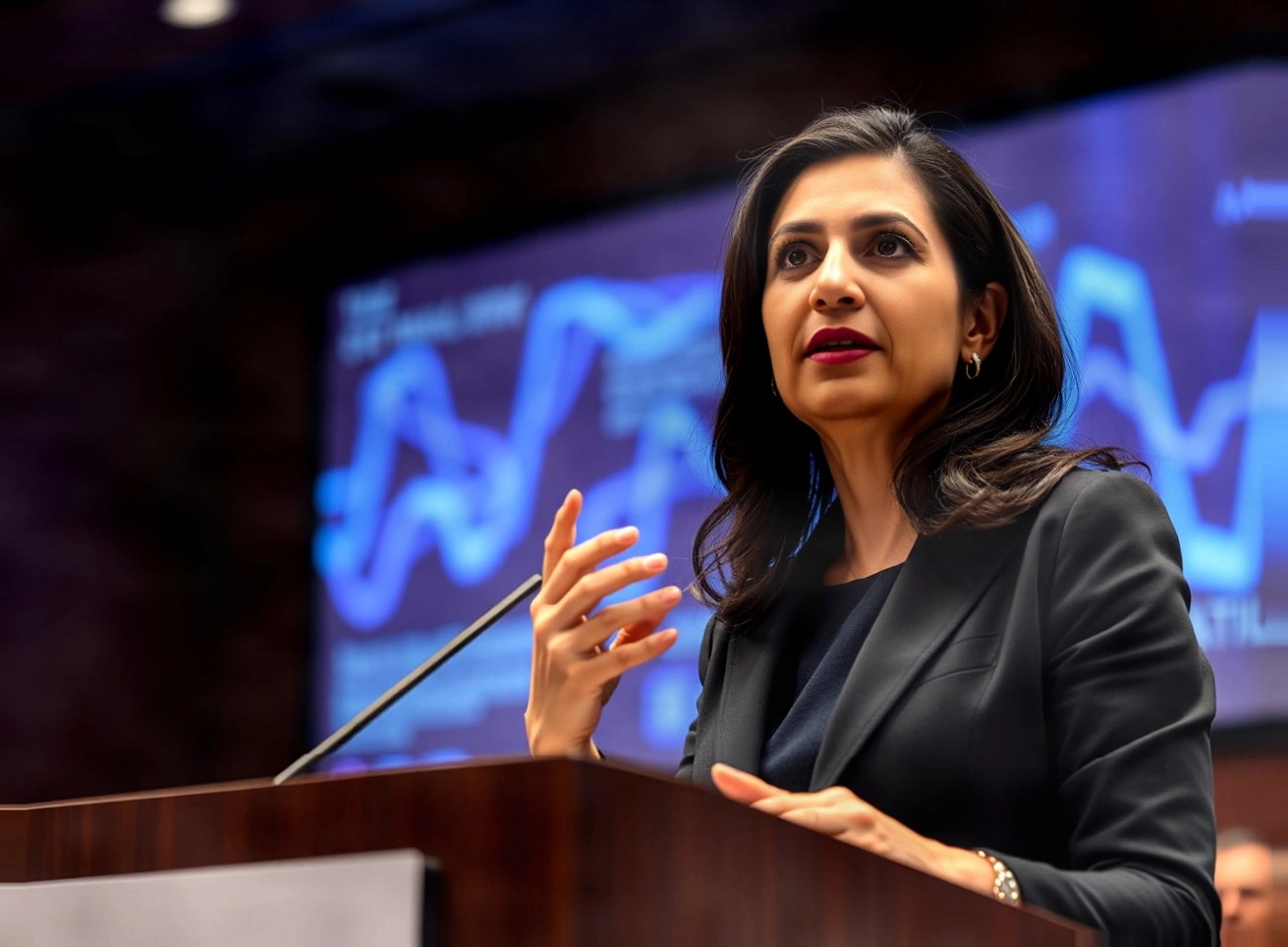
On March 9, 2025, at the SXSW (South by Southwest) conference in Austin, Texas, Dr. Rana el Kaliouby, an AI scientist and investor, issued a stark warning to the tech community. She candidly pointed out that the current AI landscape has devolved into a modern-day "boys' club," expressing concern that this phenomenon will inevitably widen the economic wealth gap for women. Her analysis goes beyond surface-level hiring data, delving into the profound economic divides that could emerge if changes are not made.
The Crisis of Diversity in AI and Its Economic Impact
Dr. el Kaliouby’s critique targets the systemic imbalance within the AI industry. She noted that recent discussions around diversity have waned, partly due to a political "backlash" against diversity, equity, and inclusion (DEI) initiatives in some regions. However, she emphasized that the opportunities presented by AI are unprecedented, as it is creating new companies, generating jobs, and delivering substantial investment returns, thereby constructing a vast new economic landscape. Yet, if the startup creation and funding ecosystem remains homogenous, women may be excluded from this wave of wealth creation.
To support her viewpoint, Dr. el Kaliouby shared actual data from her investment firm, Blue Tulip Ventures: three-quarters of the companies in her portfolio are led by female co-founders or CEOs. This ratio starkly contrasts with the general situation in the venture capital field. She clarified that her investment strategy is not solely about supporting women but actively seeks to find and support female entrepreneurs who face particularly severe challenges in the funding process, such as being at a disadvantage in accessing capital networks and dealing with investor biases.
Entrepreneurs, Funding, and the Future Economic Divide
This potential economic gap stems from a "trinity" of exclusionary cycles: first, the proportion of women founding AI startups is low; second, the share of venture capital received by women-led startups is minuscule; and finally, women are also underrepresented in the investment institutions that fund these companies. This cycle collectively sows the seeds for unequal wealth distribution. Dr. el Kaliouby predicts that in the next five to ten years, we will look back and see a dramatically widened economic divide.
Her warning is not unfounded but based on a clearly visible trend: many high-profile AI startups have founding teams that are almost entirely male. This phenomenon not only reinforces the impression of a "boys' club" but also subtly influences the problems that AI technology aims to solve and the demographics it serves. The economic consequences of this reach far beyond Silicon Valley, impacting global labor markets and the distribution of new capital.
Beyond Economic Aspects: The Potential Risks of Homogeneous AI
For Dr. el Kaliouby, the concerns are twofold. The immediate risk is that women are at an economic disadvantage. The longer-term threat pertains to the quality, reliability, and safety of AI systems themselves. She believes that now is the time for leadership to play a crucial role, as industry leaders must actively advocate for ethics, diverse thinking, and human-centered design principles. Without conscious intervention, the development of AI could ultimately have adverse effects on society as a whole.
This perspective aligns with the broader current debates on AI ethics. Homogeneous teams often inadvertently embed inherent biases in product development, which can affect the fairness of hiring algorithms, the equity of loan approvals, and even the accuracy of medical diagnoses. Therefore, promoting diversity in the AI field is no longer merely a reflection of social responsibility but a necessary requirement for technological advancement.