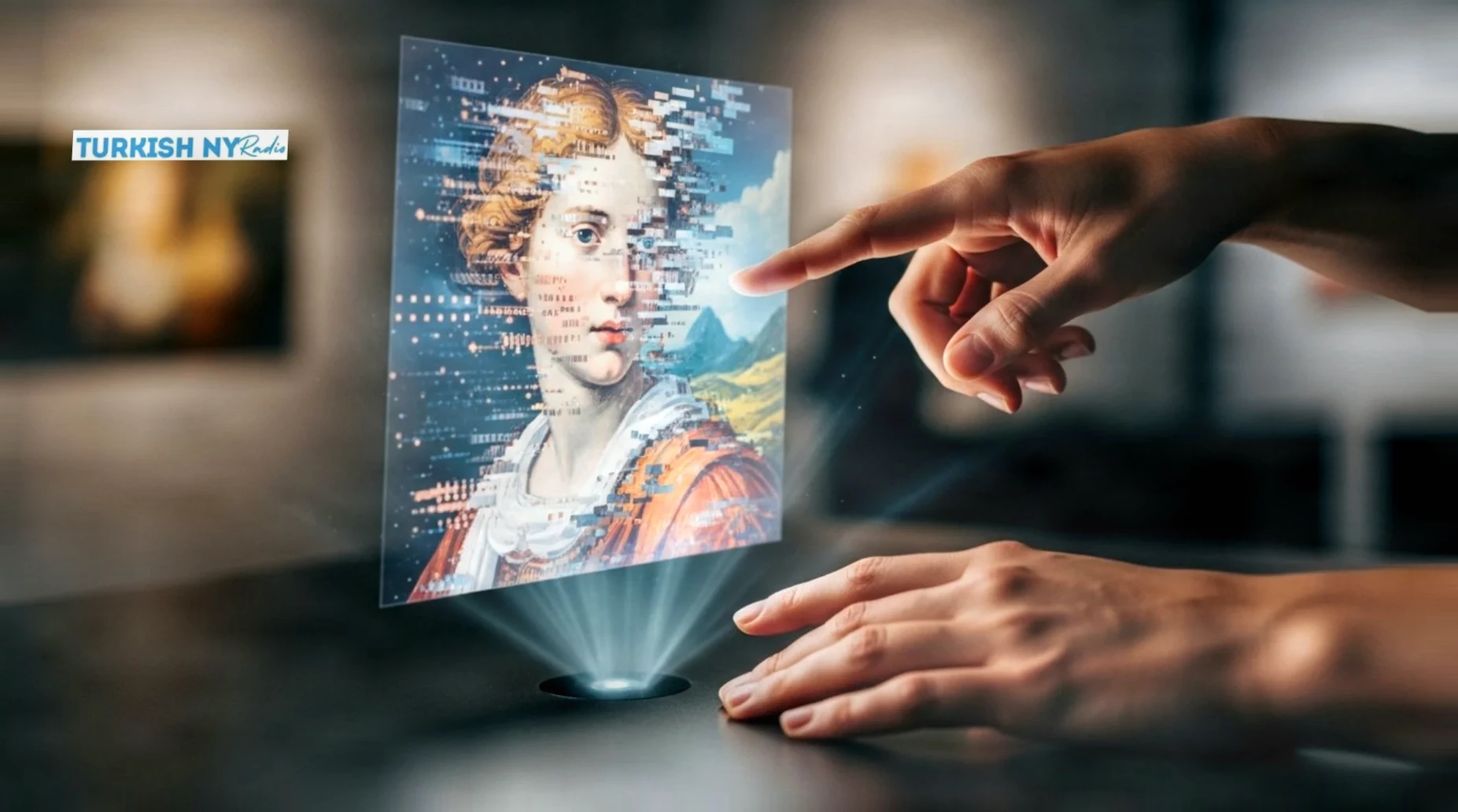
In 2026, a new revolution in digital art is unfolding. Artists and developers are leveraging artificial intelligence and smart contracts to create dynamic, evolving artworks on the blockchain.
These new NFT experiences are not just static images; they evolve over time, capable of responding to real-world data and even interacting with their owners.
The Rise of AI-Generated NFT Art
The concept of AI-generated NFTs combines cutting-edge AI art creation with blockchain ownership. Artists rely on these AI tools, such as Generative Adversarial Networks (GANs) or diffusion models, to create original images or animations, which are then minted as NFTs.
Early experiments, such as Robbie Barrat's AI nudes in 2019 or Refik Anadol's data sculptures, have evolved into a mainstream trend.
It is estimated that global sales of AI-generated NFT art will grow from $10 million in 2020 to $500 million by 2024, supporting the overall expansion of the digital art market.
According to reports, the NFT market is expected to grow by $84.13 billion between 2025 and 2029 (with an annual growth rate of 30%), primarily driven by demand for digital art. Within this growth, AI art stands out as a particularly prominent segment.
This interest is reflected in major auction houses beginning to hold dedicated AI art auctions. For example, Christie's held an “Augmented Intelligence” auction in 2025, selling 28 pieces (mostly AI works) for a total of $728,000.
The generational shift is also positively impacting the development of AI art. Reports indicate that nearly half of the bidders for AI art at Christie's are millennials or Gen Z.
Nicole Sales Giles, Vice President of Digital Sales at Christie's, stated, “The application of AI in art is becoming increasingly accepted as AI has permeated every aspect of our daily lives. This familiarity makes Gen Z and millennial collectors appreciate the technology behind the art even more.”
Essentially, young collectors view the AI process itself as part of the artistic value.
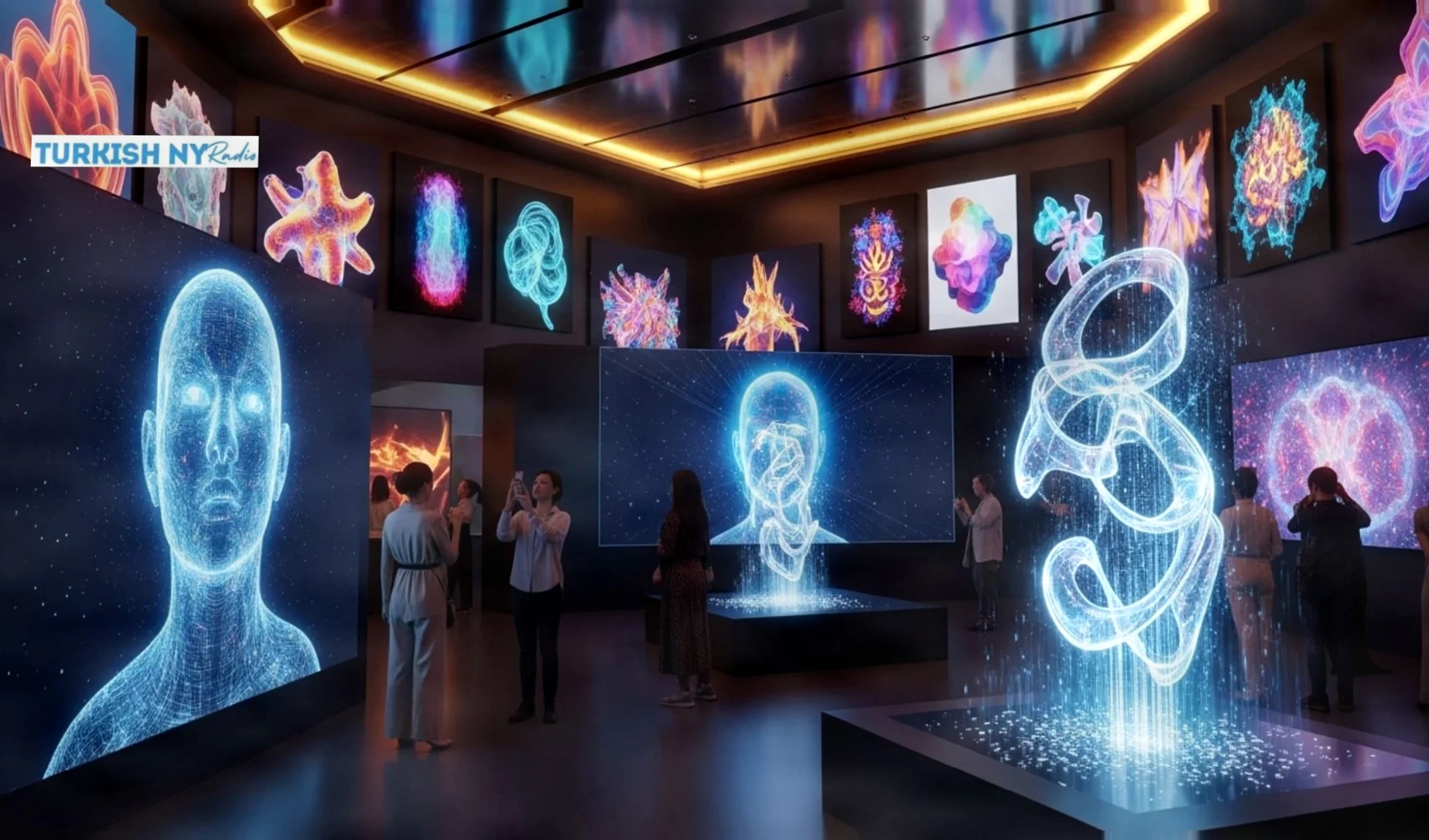
How Are AI-Generated NFT Artworks Created?
AI-generated NFT artworks begin with algorithms rather than brushes. Artists typically generate visuals by inputting into AI frameworks (like OpenAI's DALL·E or Meta's Llama). They write prompts or train data to let the AI model “dream” up images, then select or refine the results.
The final image or animation is minted as an NFT on a blockchain (such as Ethereum, Solana, etc.). These tokens embed metadata (artwork files or links) and often include a portion of smart contract code for royalties and ownership.
Unlike traditional NFTs, AI art has the ability to exhibit dynamic behavior. For instance, some projects utilize AI programs to adjust images over time, while others allow collectors to decide on the generated content (prompts, style parameters). The beauty lies in how AI NFTs combine creators with tools to create a system, with AI itself acting as your collaborator.
What Are Dynamic NFTs?
Dynamic NFTs (dNFTs) are tokens that can change their metadata or appearance after being minted. According to Coinbase's definition, dynamic NFTs are “NFTs that contain code in their smart contracts.”