

According to a new report released by cryptocurrency exchange Independent Reserve, more Australians in 2026 reported using cryptocurrency to pay for goods and services, although friction from banks towards cryptocurrency users remains prevalent.
The annual survey, conducted between January 12 and January 30, targeted 2,000 “ordinary Australians.”
The survey found that the proportion of Australians using cryptocurrency to purchase goods or pay for services doubled from 6% to 12%. The report noted, “An increasing number of Australians view cryptocurrency as a practical payment method rather than just a speculative bet.”
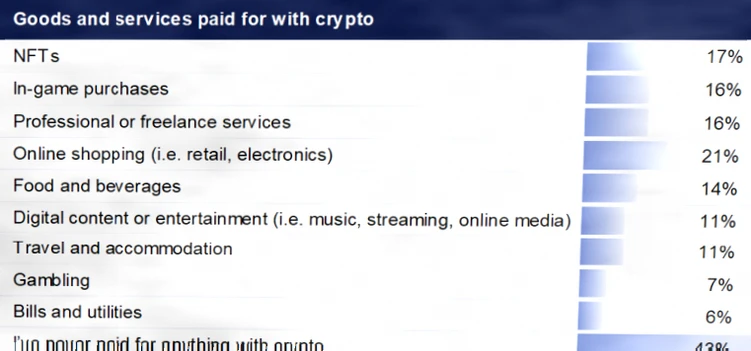
Among respondents using cryptocurrency for purchases, 21% indicated it was for online shopping, making it the primary practical application. Additionally, 16% reported using cryptocurrency to pay for services such as freelancing and video game purchases.
Despite the rising usage of cryptocurrency, some barriers remain, with users citing a lack of education and training, as well as overly complex technology issues.
Banking Issues Intensify
About 30% of investors reported experiencing delays or refusals when attempting to purchase cryptocurrency or transfer to cryptocurrency exchanges, an increase from 19.3% in 2025. In 2023, Australian banks tightened restrictions on cryptocurrency transactions, with major banks, including Commonwealth Bank and National Australia Bank, implementing measures such as payment delays, limits on transfers to cryptocurrency exchanges, and additional identity verification checks.
Younger investors reported more issues with transaction delays compared to older investors, while those making smaller transactions faced greater disruptions.

The report's authors stated, “For many Australians, delays or blockages in payments to cryptocurrency exchanges highlight the ongoing lack of regulation, a problem that has continued to rise over the past year.”
Clear Licensing and Regulation as a Solution
The report indicated that the findings suggest banks have not relaxed their stance towards cryptocurrency, potentially improving their approach by focusing on user behavior and transaction patterns rather than transaction volumes, underscoring the growing demand for regulatory clarity.
“Clear licensing and regulation can help address this issue. By setting high standards for cryptocurrency operators, banks will be more confident that transactions are legitimate,” the report added.