

For anyone holding cryptocurrency in Nigeria, the anxiety is familiar. You have USDT in your digital wallet, but you need cash to pay a supplier or settle an urgent bill. Naturally, you turn to Peer-to-Peer (P2P) platforms. You click 'Sell,' and the wait begins, fraught with doubt: Will the buyer actually send the money? Will they send fake transfer notifications and receipts? Or worse, could their funds lead to your bank account being restricted?
For years, this has been the grim reality of Nigeria's crypto ecosystem. The local market is massive, with millions of Nigerians holding digital assets to hedge against inflation. The USDT/NGN trading pair remains one of the most active globally, and the demand is undeniable.
Yet, the final step has always been fraught with risk. Converting digital wealth into spendable Naira has never been straightforward. The 'three-minute anxiety' between authorizing a transfer and waiting for that elusive credit alert is as nerve-wracking as staring at a cashier at a busy Lagos supermarket POS terminal, helpless due to network issues. Traders often find their accounts suddenly frozen as banks frequently flag suspicious funds from unknown P2P counterparties as risky. The entire process is riddled with unnecessary friction.
The Era Beyond P2P
The game is finally starting to change. The Central Bank of Nigeria (CBN) has significantly shifted its regulatory stance over the past few years. From an outright ban on banking services to a structured regulatory era, the current market landscape involves oversight from the Securities and Exchange Commission (SEC) and regulated Virtual Asset Service Providers (VASPs). Regulators now aim to oversee the industry, not stifle it.
This regulatory evolution naturally squeezes the dark corners of the parallel market. Traders are tired of the friction, tired of haggling over rates in Telegram groups, and equally weary of the sophisticated scam threats. They simply want a reliable service.
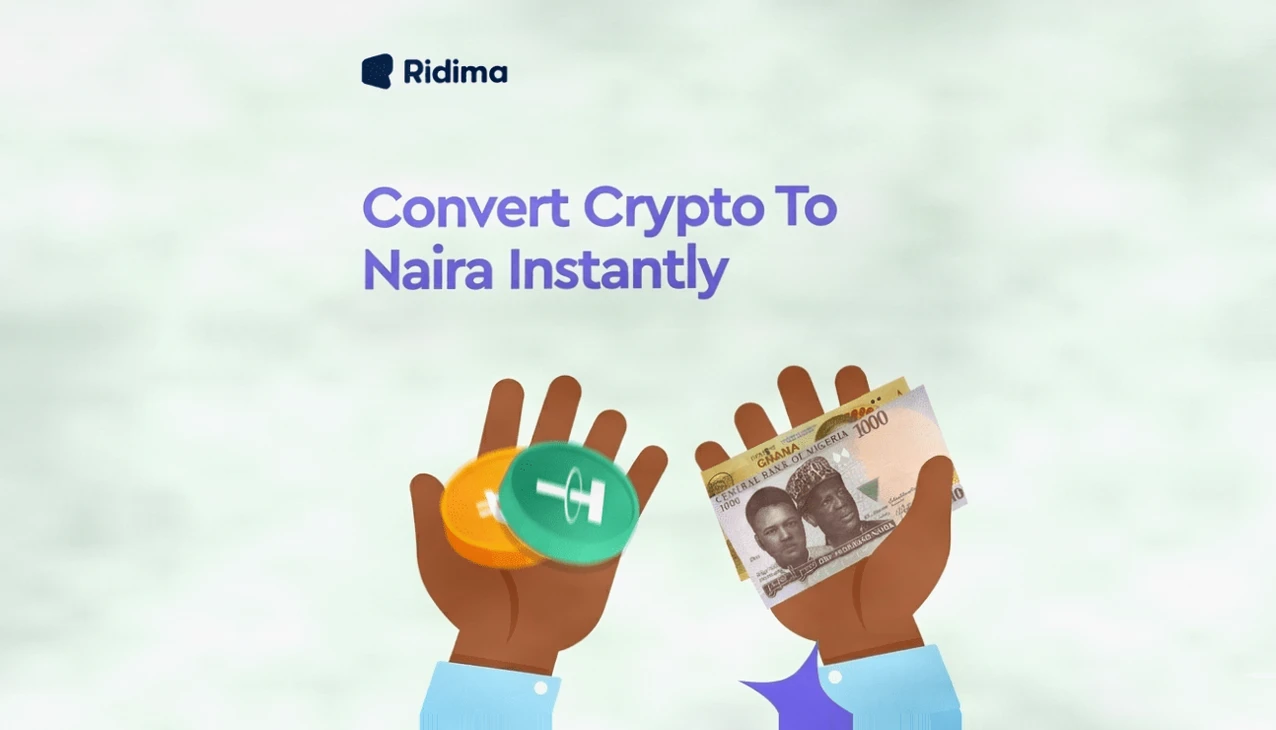
This deep market fatigue has birthed a new, significant sub-sector: Liquidity services.
Modern fintech applications are no longer about matching buyers and sellers in a chaotic marketplace; they act as direct liquidity bridges. They buy crypto directly from users and instantly credit local bank accounts. This is a fundamental shift in market mechanics, moving us from a Wild West bazaar to an efficient, secure, and predictable financial environment.
Introducing Ridima
To understand why this shift is so critical, one must look at platforms successfully executing this model in the local market.
Ridima doesn't try to be a complex, confusing trading terminal. It clearly understands its core target audience: the average Nigerian who doesn't want to day-trade but simply wants to convert their crypto to fiat seamlessly.
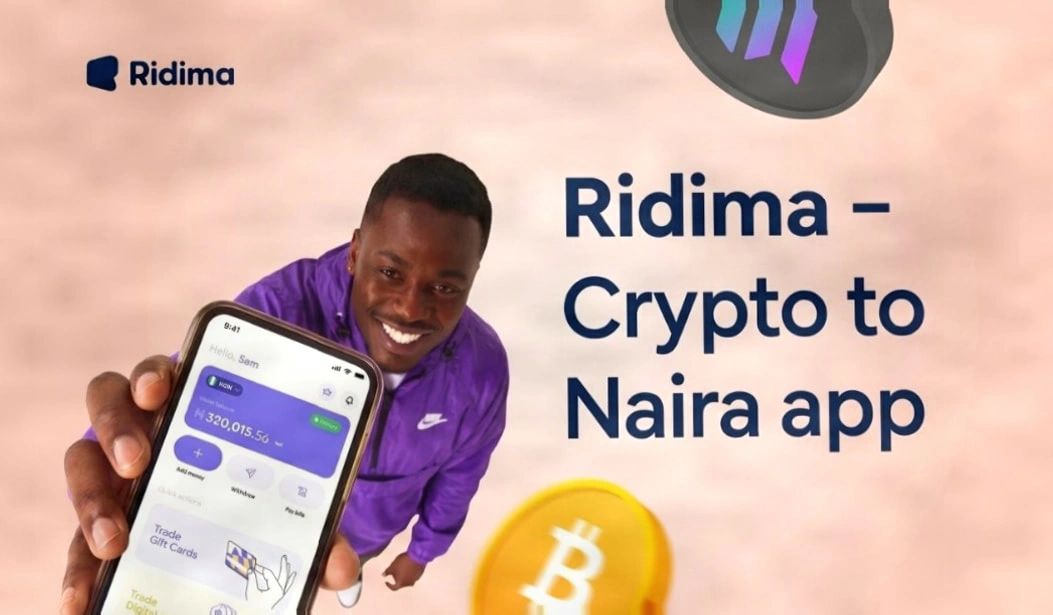
The platform succeeds in meeting user needs by eliminating intermediaries.