

The cryptocurrency exchange Binance recently announced the termination of trading services for a series of specific cryptocurrencies, immediately triggering market turbulence and causing related token prices to drop by double-digit percentages.
As a leading global cryptocurrency trading platform, Binance supports a wide range of digital assets, but its listings are not permanent. The platform evaluates multiple dimensions, including trading volume, liquidity, network security, community communication, and project commitments, to decide whether to continue supporting a particular asset.
In its announcement, Binance warned users: “After this time, any open assets will be forcibly sold at market price or transferred to the spot account (if the amount cannot be sold). Users are strongly advised to update or cancel their spot trading portfolios before the delisting time to avoid potential losses.”
Additionally, Binance stated that the recharge services for the affected tokens will cease after April 2, and withdrawal services will become invalid after June 1. Binance also added that the delisted cryptocurrencies may be converted to stablecoins on behalf of customers after June 2.
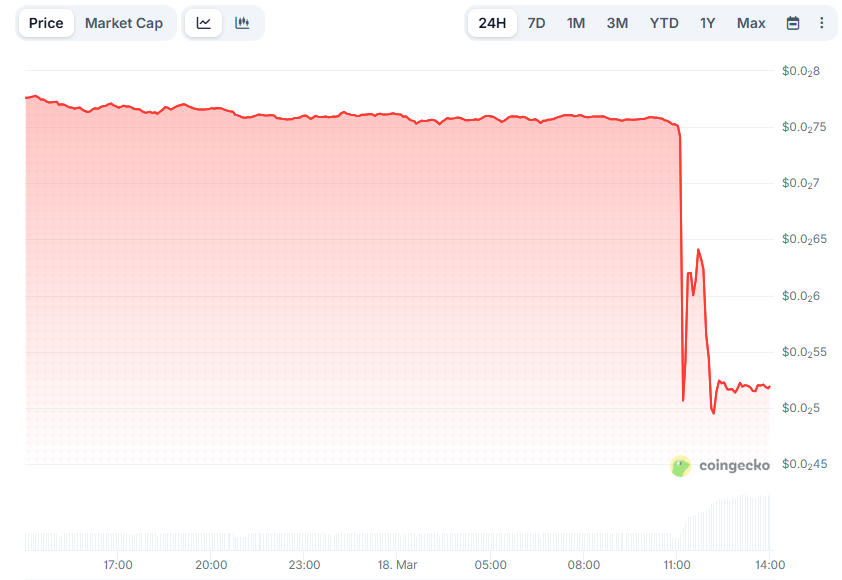
Such delisting announcements typically have a significant negative impact on the prices of the affected assets. Losing the support of an important trading platform like Binance undoubtedly harms the reputation of the tokens, reduces their liquidity, and severely limits their accessibility. The consequences of this incident confirm this, as all involved altcoins experienced substantial price declines. Among them, IDEX became the biggest loser, with its market value evaporating by 33% in a single day.
(Image placeholder here)
Contrasting Effects