

Circle's Chief Policy Officer Dante Disparte stated during a session at the UK House of Commons committee that the UK has the opportunity to build its own cryptocurrency regulatory framework by merging the clarity of the EU's Markets in Crypto-Assets Regulation (MiCA) with the newly introduced stablecoin regulatory elements from the US.
Disparte emphasized that trustworthy stablecoins can "expand" the market. He addressed concerns that stablecoins might erode bank deposits and weaken demand for traditional credit. He believes that "the future is not a conflict between banks and stablecoins," and pointed out that a clear regulatory framework can manage these risks while avoiding stifling innovation by implementing strict reserve and liquidity standards and encouraging bank participation.
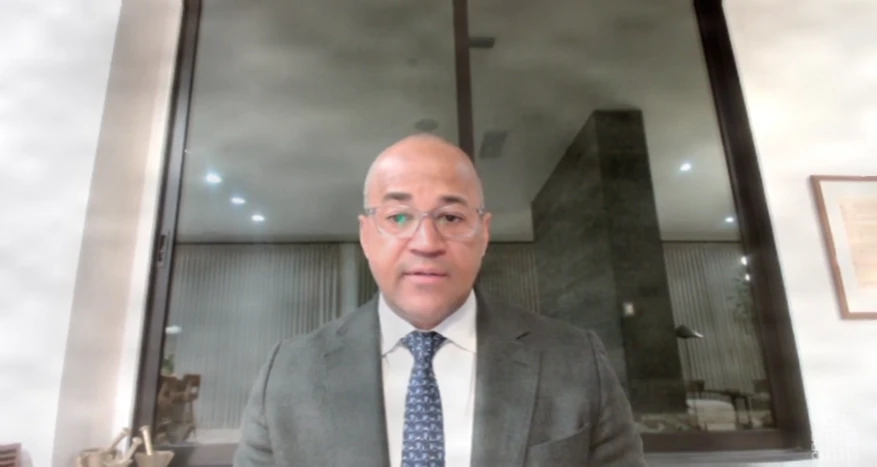
Dante Disparte, Chief Strategy Officer and Global Policy and Operations Head at Circle.
Disparte proposed four core principles for the UK's regulatory framework: 1:1 reserve backing, mandatory high-quality liquidity reserves, enforceable redemption mechanisms, and robust transparency standards.
Meanwhile, Mastercard's Jesse McWaters noted that current stablecoins have yet to demonstrate a clear value proposition that threatens payment cards. McWaters pointed out that stablecoins currently lack a compelling reason for customers to choose them over various local payment options, but he praised their potential to accelerate cross-border transactions.
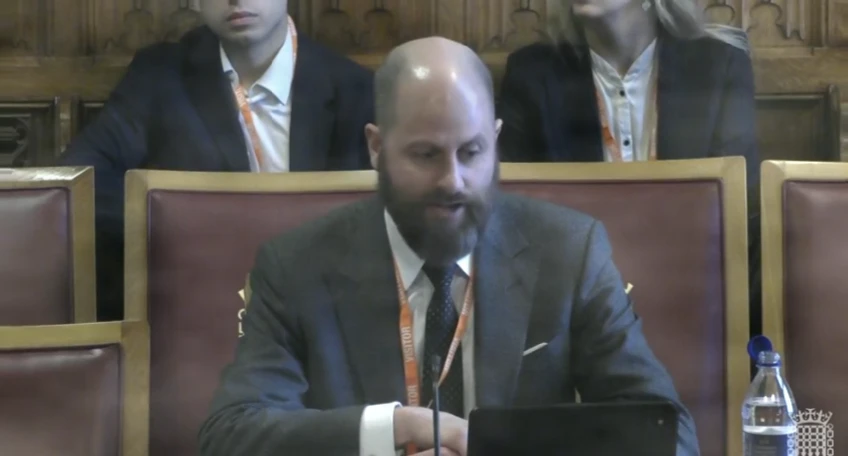
Jesse McWaters, Executive Vice President and Global Policy Head at Mastercard.
"Blockchain technology, which is the underlying infrastructure for stablecoins, offers a new, innovative, and potentially value-adding way to transfer funds, especially in cross-border transaction scenarios," McWaters added.