

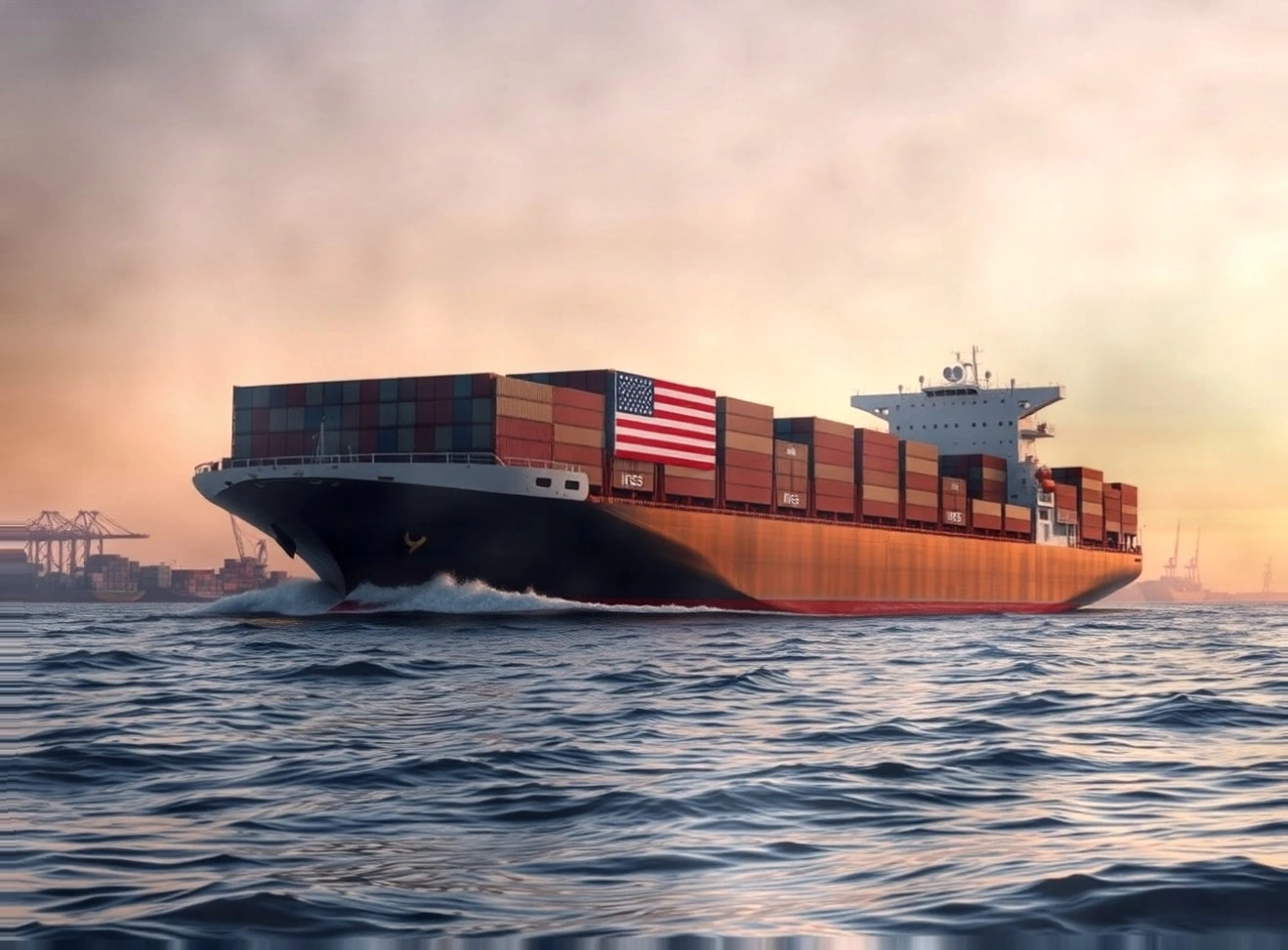
WASHINGTON D.C. – March 2025 – The Biden administration today announced a 60-day emergency waiver of the Jones Act, a move aimed at alleviating the pressure of persistently high energy prices on American consumers and industries. This temporary suspension of the century-old maritime law marks one of the most significant interventions in U.S. shipping policy in decades, directly targeting transportation bottlenecks that have hindered a nationwide decrease in energy costs. The decision has immediately ignited intense debate among lawmakers, shipping executives, and energy analysts regarding its potential efficacy and long-term implications for national security and domestic industries.
Jones Act Waiver: Understanding the Emergency Measure
The Merchant Marine Act of 1920, commonly known as the Jones Act, mandates that all goods transported between U.S. ports must be carried on vessels built in the U.S., owned by Americans, registered in the U.S., and crewed by U.S. citizens. For over a century, this act has been a cornerstone of the American domestic shipping industry. However, the administration's emergency waiver temporarily sets aside these requirements specifically for vessels transporting energy commodities such as crude oil, refined petroleum products, and liquefied natural gas (LNG).
Officials from the U.S. Department of Homeland Security, which oversees maritime security, emphasized that the waiver is narrowly scoped and temporary in nature. They positioned the move as a precise response to specific market conditions rather than a permanent shift in policy. The waiver applies exclusively to shipments between energy commodity hubs on the Gulf Coast and destinations along the Atlantic Coast and in New England, regions historically susceptible to supply constraints and price volatility.
The Immediate Trigger: Supply Chain and Price Pressures
A confluence of factors precipitated this unprecedented regulatory action. Firstly, scheduled maintenance at East Coast refineries coincided with increased seasonal demand, leading to reduced regional capacity. Secondly, ongoing geopolitical tensions have continued to disrupt global energy flows, exacerbating volatility in international markets. Thirdly, a shortage of vessels compliant with the Jones Act, particularly specialized tankers, has created a tangible bottleneck in the domestic transportation of energy supplies.
This shortage of vessels has led to significant price discrepancies. For instance, transporting a barrel of crude oil from the Gulf Coast to New York via a foreign-flagged tanker currently costs approximately $4-$5. In contrast, using a Jones Act-compliant vessel, due to higher operating costs and limited availability, commands a price of up to $7-$8 for the same route. This transportation premium directly translates into higher gasoline prices paid by consumers in affected regions.
Economic Impact and Market Reaction
Financial and commodity markets reacted swiftly following the announcement. Benchmark gasoline futures saw a decline of approximately 2.5% in early trading.