

US inflation has accelerated once again. In April, prices rose by 3.8% year-on-year, marking the highest level in three years. The surge in energy costs, influenced by tensions in Iran and disruptions in the Strait of Hormuz, is beginning to exert pressure on the US economy. This upward trend complicates the prospects for interest rate cuts by the Federal Reserve and intensifies tensions in the financial markets.
Iran's Oil Shock Rekindles US Inflation

Several indicators demonstrate the growing tension in the US economy:
This deteriorating situation occurs in a politically sensitive climate for Trump. The US President has described this price increase as a short-term phenomenon and stated that the American people will understand that his top priority is to prevent Iran from acquiring nuclear weapons.
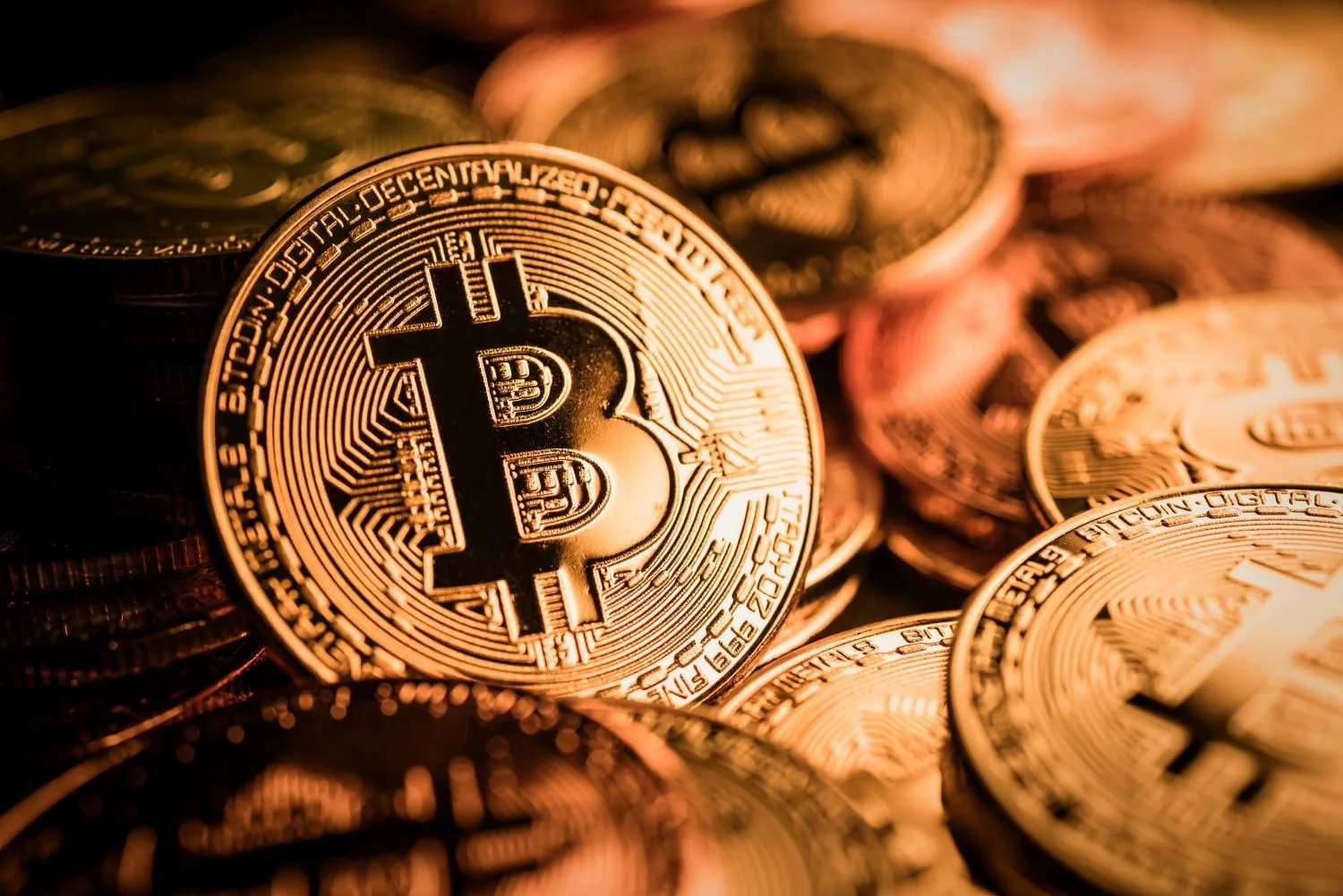
The market is now concerned that interest rate cuts will be frozen.
This latest surge in inflation significantly reduces the likelihood of the Federal Reserve implementing monetary easing this year. Investors had previously anticipated multiple rate cuts to support the US economy, but now, the scenario of maintaining high interest rates for an extended period is gradually becoming mainstream, which has direct consequences for the financial markets. Wall Street reacted swiftly to the release of this data: the S&P 500 opened down 0.6%, and the Dow Jones fell by 0.7%.
The report released on Tuesday also marks a turning point for American households. For the first time in three years, wage growth has fallen below the inflation rate. Income increased by 3.6% year-on-year, while consumer prices rose by 3.8%.
Amid this backdrop of increasing monetary and geopolitical uncertainty, Bitcoin has regained its status as an alternative asset, becoming a focal point for investors seeking protection against the return of inflation.