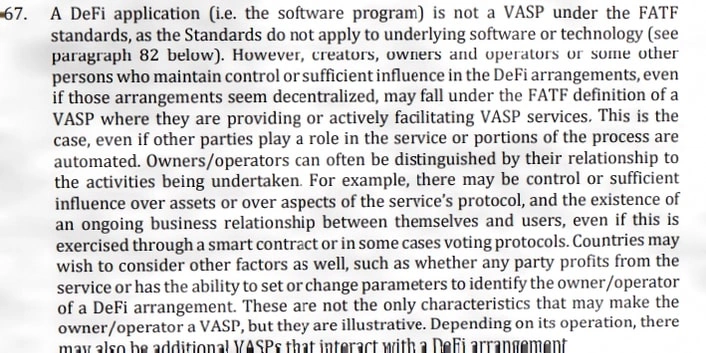
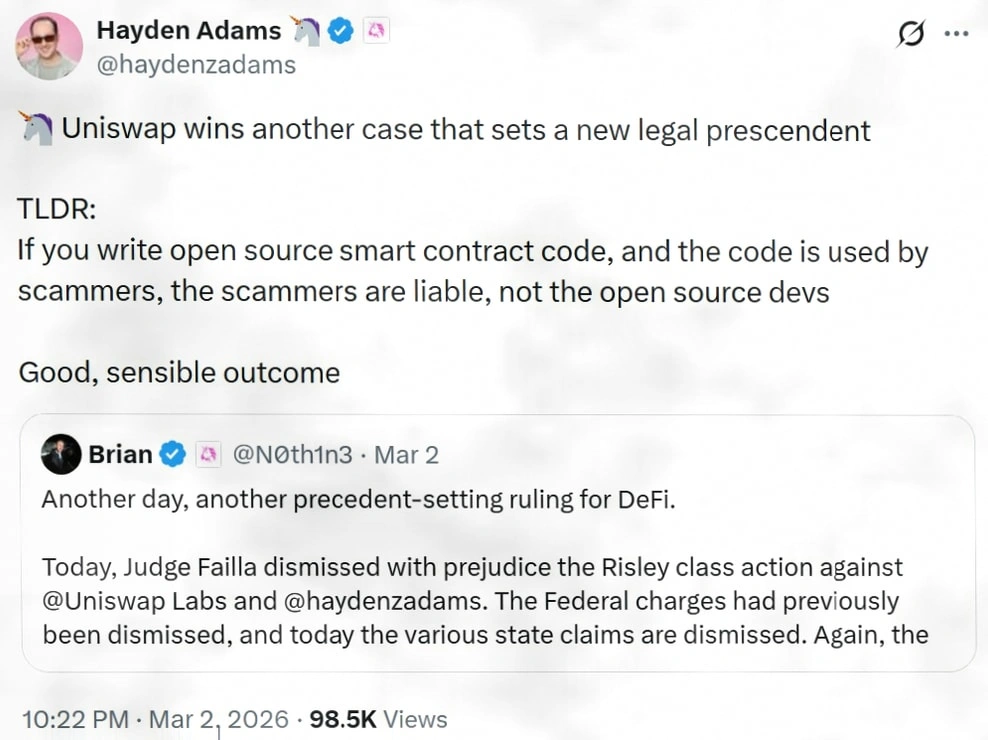
A U.S. federal judge has dismissed a class-action lawsuit that sought to hold Uniswap Labs and its founder, Hayden Adams, accountable for fraudulent tokens traded on the decentralized exchange (DEX).
Joshua Chu, co-chair of the Hong Kong Web3 Association, stated that the Uniswap ruling highlights a deep tension between U.S. courts' views on decentralized finance (DeFi News) infrastructure and global standards regarding platform management of illegal financial risks.
This dialogue has been edited for clarity and conciseness.
Magazine: How should we interpret the Uniswap ruling within the broader legal debate on developer responsibility versus decentralized protocols?
For instance, we see certain wallets flagged as risky on blockchain scanners. Developers could easily implement many of these security measures without affecting the underlying smart contracts.
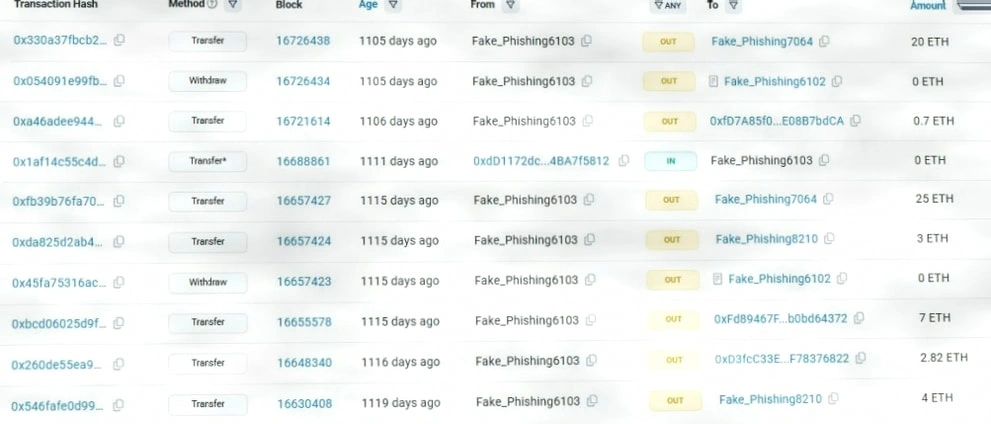
Ultimately, it comes down to choice. Given that this is a complex team that charges fees, the decision not to deploy these defenses for users begins to look less like neutral infrastructure and more like a deliberate design that externalizes fraud risk to retail users.
We must face the fact that transaction volume is how these infrastructures survive or gain notoriety.
Magazine: How does DeFi News as neutral infrastructure align with international DeFi News expectations?
The ruling does not negate the FATF's stance. The judge simply seems not to have referenced FATF guidance when it comes to certain illegal activities. Therefore, the interpretation of this ruling may place the U.S. in an awkward position internationally.
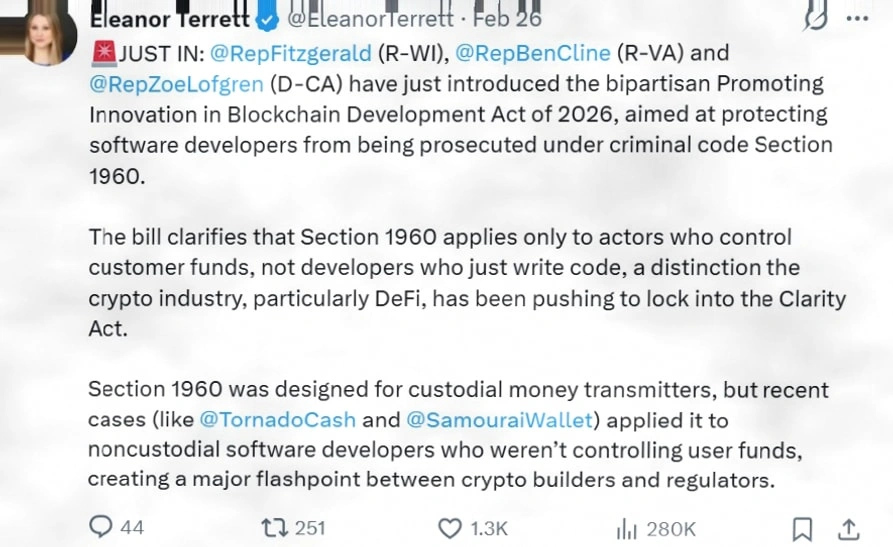
Magazine: What do the Uniswap ruling and the Tornado Cash lawsuit tell us about how courts and regulators assess developer responsibility in DeFi News?
For example, Uniswap could significantly reduce harm by implementing the defenses I mentioned, which would align with FATF's expectations for user control. But they did not do so. Thus, many factors send entirely different signals.
Tim Draper on the “strange” rules of successful investing
What exactly are crypto market makers doing? Providing liquidity or manipulating?
Magazine: If a DeFi News platform's front end provides access to fraudulent tokens, does the developing organization behind it bear responsibility?
If we return to the FATF's stance, you are providing some form of infrastructure that has foreseeable harm. If we translate this into a more concrete physical form, if you deliberately create a very dangerous tool in the middle of the road, the foreseeable harm would make you liable under tort law. Of course, this does not apply in the digital world.