

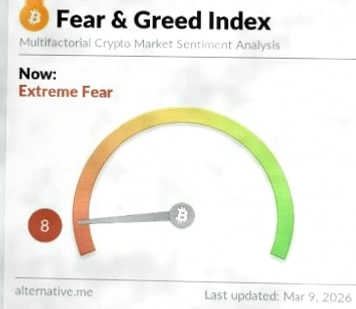
JPMorgan Chase CEO Jamie Dimon pointed out in early March 2026 that the US inflation rate would continue to climb in 2026, but the driving factors were not oil price fluctuations, but structural pressures—including tariff policies, rising healthcare costs, and labor shortages. He described inflation as 'the skunk at the party,' and despite the Federal Reserve keeping interest rates unchanged, market sentiment remained in a state of 'extreme fear'.
Dimon emphasized that the situation in Iran had a negligible impact on inflation, and the real pressure came from non-energy sectors: healthcare prices rose by nearly 10% annually, reaching a ten-year high; construction costs and insurance expenses continued to rise; and wage growth did not slow down due to stable energy prices. These factors are independent of the crude oil market, but together they have pushed up overall price levels.
It is worth noting that the inventories previously stockpiled by companies to cope with tariff increases have been largely exhausted. Now, instead of raising prices sharply all at once, they are adopting a slow, gradual pricing strategy, which obscures and prolongs the transmission effect of inflation, and the market underestimates its long-term impact.
At the same time, the US economy lost 92,000 jobs in February 2026, and the domestic unemployment rate rose to 4.7%, up 0.3 percentage points from a year earlier. This combination of 'high inflation + weak employment' further weakened household purchasing power and increased the complexity of policy making.
Although the Federal Reserve has set its year-end 2026 inflation target at 2.4%, this forecast does not take into account the recent acceleration of tariffs and the new shocks brought about by geopolitical risks. At the January meeting this year, two members had already advocated a 25 basis point rate cut, reflecting internal concerns about the resilience of inflation. However, with core inflation continuing to be above the 2% target, the rate cut window is expected to open no earlier than the second half of 2026, which will continue to put pressure on risk assets.
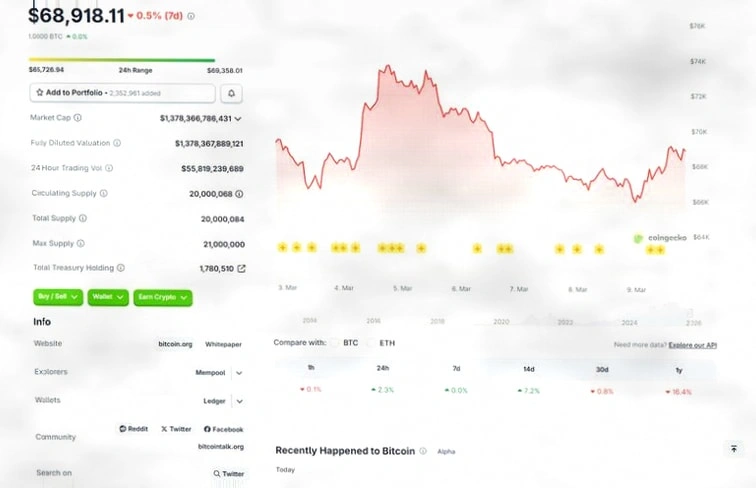
In this context, the Bitcoin price hovered in the $68,900 range, and market sentiment remained low. Although some investors once regarded Bitcoin as an anti-inflation tool, its performance failed to meet expectations, while gold performed relatively stronger, regaining the favor of some safe-haven funds.
Tariffs and Labor Shortages, Not Oil Prices, Key Drivers of 2026 Inflation Surge
The main reasons for the rise in US inflation in 2026 are not oil prices, but the combined effects of tariffs, healthcare costs, and labor shortages. The Federal Reserve may postpone rate cuts, Bitcoin's anti-inflation narrative is frustrated, and gold performs better.