

March 2025, New Delhi – Société Générale's latest research report indicates that India, as the world's fastest-growing major economy, is facing significant external risks from geopolitical tensions involving Iran. As the situation in the Middle East continues to escalate, energy supply chains, trade routes, and financial market stability are all likely to be impacted, posing a potential threat to India's current economic recovery.
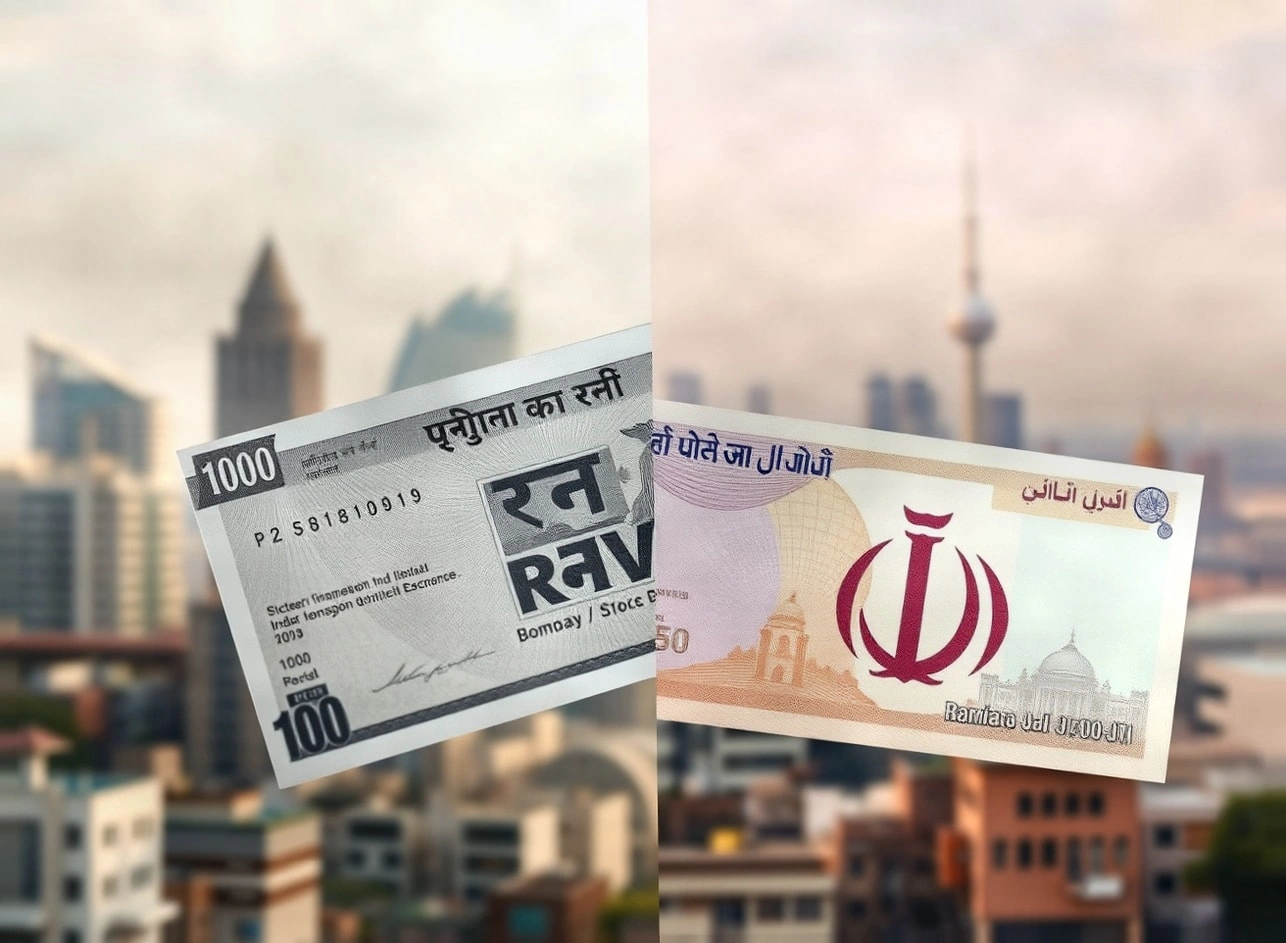
The report analyzes that the vulnerability of the Indian economy is mainly reflected in three transmission channels: energy security, international trade, and financial volatility. As the world's third-largest oil importer, India relies on imports for about 85% of its crude oil, with the Middle East being a core source of supply. Despite international sanctions, Iran has historically been an important crude oil supplier to India, and the historical ties between the two countries in the energy sector make India particularly sensitive to regional conflicts.
Historical data shows that turmoil in the Middle East often rapidly pushes up international oil prices. During the 2019 attacks on oil tankers in the Strait of Hormuz, Brent crude oil prices soared 15% in a week. During the global energy crisis in 2022, India's oil import expenditure surged 29%, directly dragging down the trade deficit. Société Générale's model predicts that if crude oil prices rise by 20%, India's inflation rate will rise by 40 to 60 basis points, forcing the central bank to maintain a tight monetary policy for a longer period, thereby suppressing domestic demand growth.
It is worth noting that India's macroeconomic resilience is currently stronger than in the past. Foreign exchange reserves have exceeded $600 billion, and fiscal buffer capacity has been significantly improved, which helps to alleviate short-term capital outflow pressure. However, experts emphasize that structural dependence has not fundamentally changed, and once key shipping lanes such as the Strait of Hormuz or the Arabian Sea are disrupted, India will still suffer severe shocks.
Compared to 2019, although India's manufacturing base, local currency market depth, and energy diversification strategy have made progress, its sensitivity to external energy prices remains high. The analysis suggests that any Iran-related escalation in the coming months could become a key variable affecting India's inflation path and monetary policy direction.