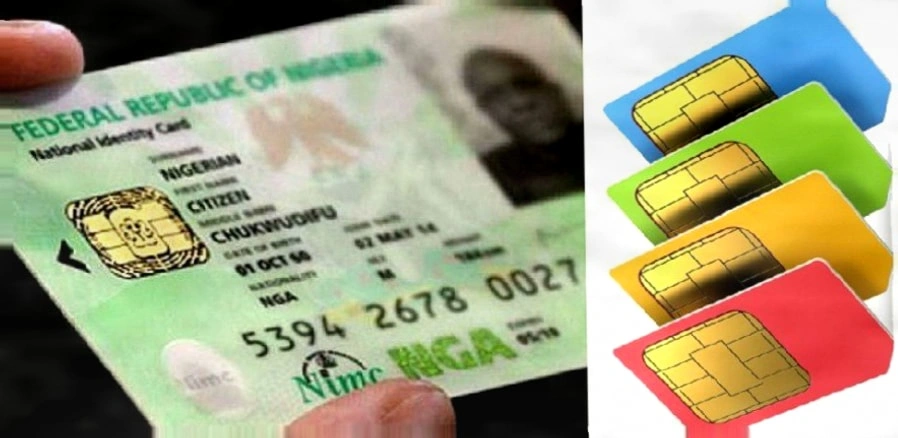
Nigeria's 2026 Electoral Act mandates parties to use NIN-linked digital member lists, disqualifying non-submitters, pushing the electoral system towards digital transparency.
In 2022, the presidential primary of Nigeria's All Progressives Congress (APC) was conducted amidst widespread skepticism – the delegates on the list did not match those present, and individuals who never attended the convention were found to have voted. In Rivers State, even two conflicting sets of election results emerged. Simultaneously, the primary of the People's Democratic Party (PDP) was embroiled in similar controversies, with courts spending months deliberating on who was truly eligible to vote and who was legitimately nominated.
The root cause of these problems remained consistent: neither party could accurately verify the true identities of its members. To end this long-standing chaos, the 2026 Electoral Act introduces fundamental reforms, making technology the sole authoritative basis.
According to Section 77(2) of the Act, all registered political parties must establish and maintain a digitized register of members. Section 77(4) requires parties to submit this register to the Independent National Electoral Commission (INEC) at least 21 days before any primary, congress, or convention.
The most binding provision is Section 77(5): only members listed on the officially submitted list are eligible to vote or be nominated as candidates. Section 77(6) further clarifies that the use of any other list as a basis is prohibited. Section 77(7) sets out the uncompromising consequence – parties that fail to submit their member database on time will be completely disqualified from participating in the election.
Not a fine, not a warning, but outright disqualification.
Yoshua Ojo Amupitan – INEC Chairman
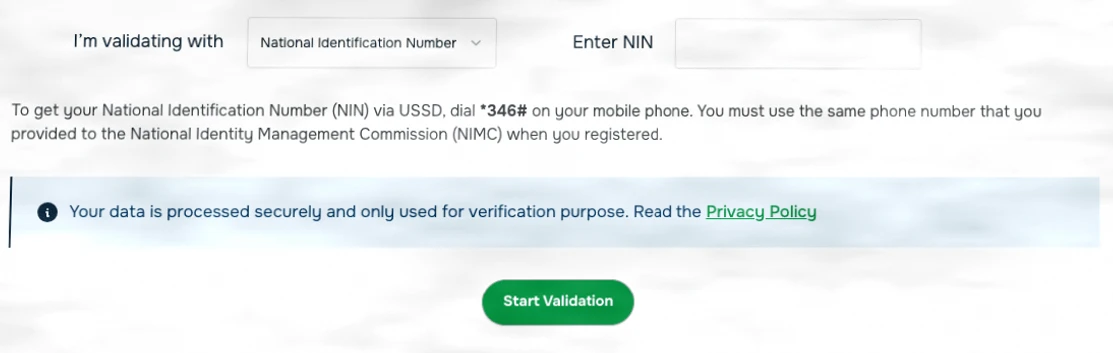
Currently, Nigeria has 21 registered political parties, each of which must build a biometric digital database tied to the National Identity Number (NIN) issued by the National Identity Management Commission (NIMC). This involves not only developing software systems but also covering data entry, photo capture, real-time NIN verification, and ongoing maintenance across all 36 states and the Federal Capital Territory.
For national parties like the APC and PDP, despite having a certain resource base, they still face enormous operational pressure. The remaining 19 smaller parties are almost unable to meet this requirement in terms of technical capabilities and financial resources.
For NIMC, this means its identity verification system will be under unprecedented load. In a short period, it needs to simultaneously process millions of member data from 21 political parties and cross-verify them with the national NIN database. The technical complexity is extremely high, and the system's stability faces severe challenges.
This change not only reshapes the internal governance rules of political parties but also marks Nigeria's formal entry into the era of digital authentication for elections. If implemented effectively, it will greatly reduce the scope for fraud and enhance the credibility of elections. However, insufficient technical preparation, uneven resource allocation, and delays in system integration may still become the biggest obstacles to the implementation of the new law.
0 comment A文章作者M管理员
No Comments Yet. Be the first to share what you think
❯
Profile
Search
Checking in, please wait...
Click for today's check-in bonus!
You have earned {{mission.data.mission.credit}} points today