

Main Points
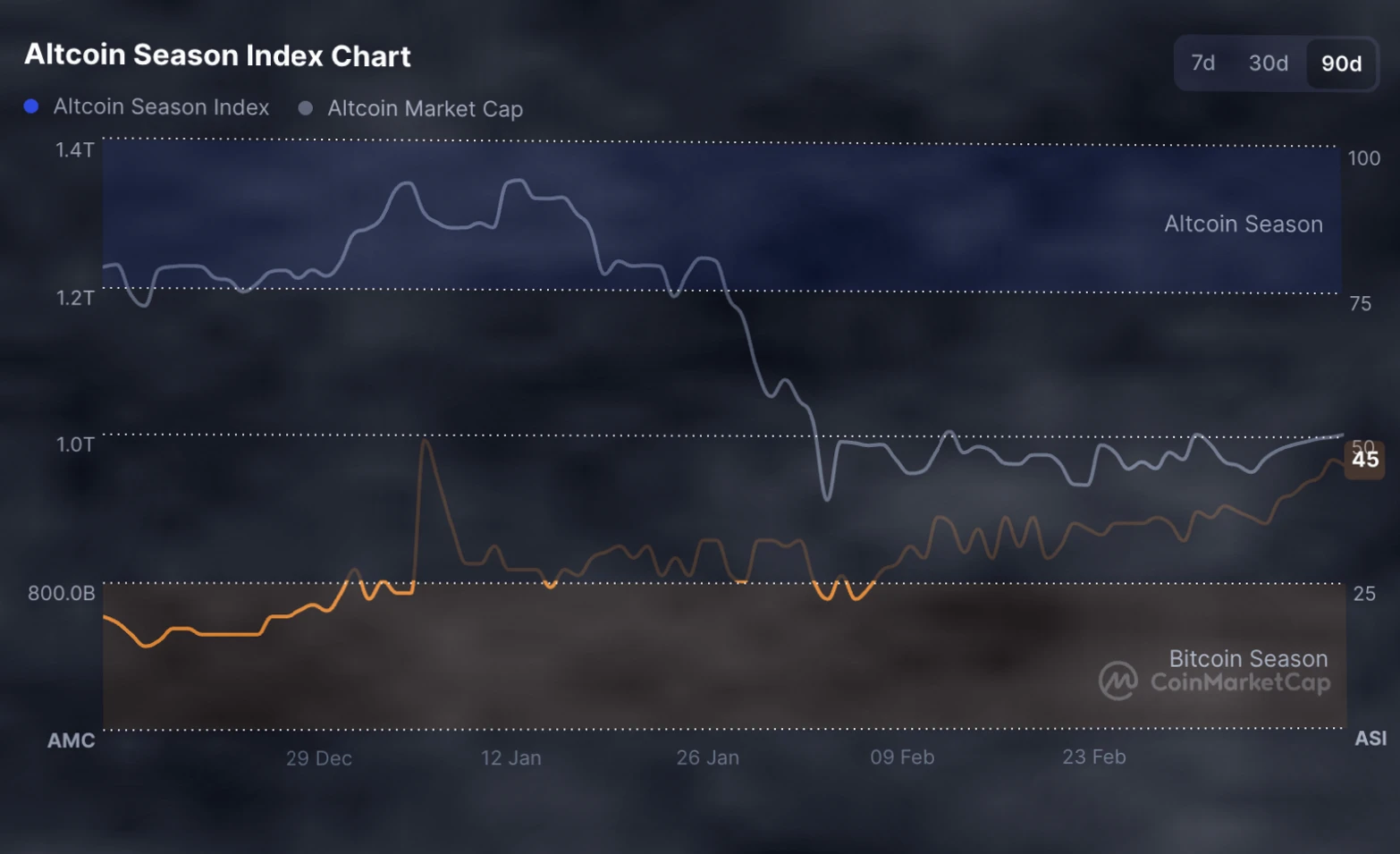
The crypto market has expanded to thousands of tradable tokens, all vying for a pool of investment capital. While this pool of capital is growing, it cannot be spread so thin as to drive all tokens up simultaneously. The "rising tide effect" defined in 2017 and 2021—where almost every altcoin rose alongside Bitcoin—no longer exists. There is an oversupply, and most tokens lack sufficient confidence behind them.
The ETF factor complicates matters further. The approval and rapid growth of spot Bitcoin and Ethereum ETFs provide institutional investors with stable investment channels, making them more inclined to concentrate funds in large assets. Fund managers looking to participate in cryptocurrency have compliant BTC ETF investment tools, avoiding the risk of entering mid-cap altcoins, and most will not do so. This liquidity, which would have previously trickled down to riskier assets in earlier cycles, is now largely locked at the top.
“Token economics alone is not enough if the product is useless,” Grachev bluntly stated. This remark implies a straightforward fact: the era of relying on meticulously designed token distributions for sustained price increases is over.
Intense Rotation, Not Season
Grachev believes that what has replaced altcoin season is a harsher and more discerning market characteristic. Rather than a broad multi-month rally, the market will see short-term intense surges in specific sectors—this week it’s AI tokens, next week it’s real-world asset protocols—followed by rapid capital rotation as investors chase new narratives. He describes these as “intense” rotations. Traders who fail to identify rotations in time or hold during exits will face significant losses.
Surviving Sectors
Grachev is not pessimistic about the industry as a whole. DWF Labs is actively accumulating during the current market downturn, and he expects new highs for major assets in the first half of 2026. His reasoning is based on two factors: the de-leveraging following the October 2025 crash has cleared speculative excess, and institutional capital typically resets its investment cycles after year-end, meaning new funds will enter the market in January and February.
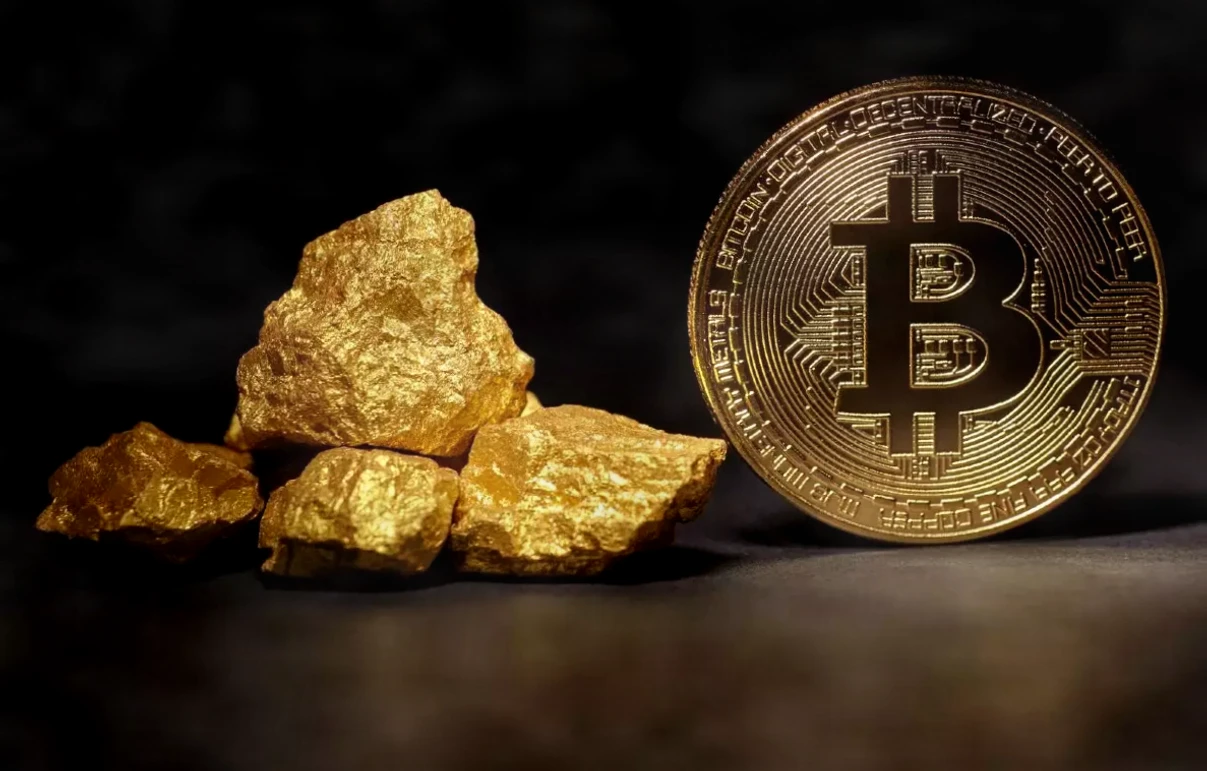
Gold Prices Surpass Bitcoin for the First Time in Years—A Chart Sparks Comparisons to 1974
In his view, beneficiaries will be concentrated in tokenized real-world assets, including on-chain private credit tools and debt products, as well as infrastructure projects capable of delivering measurable user growth. Projects not on the list are those whose primary value proposition is token distribution mechanisms.
Counterpoint
Technical analysts, including Michaël van de Poppe, have marked bullish RSI divergences on the weekly charts of Optimism, Arbitrum, and Near Protocol, indicating that while prices have not yet reversed, the downtrend may be losing momentum.
Actual Significance of the Index
As of March 15, the CoinMarketCap Altcoin Season Index stands at 45 points (out of 100), an increase from last month's 35 points, which does not contradict Grachev's theory.