

The Federal Government of Nigeria has recently launched a 'Fly Now, Pay Later' (FNPL) program aimed at assisting working Nigerians in booking domestic flights through a structured financing model that allows for deferred payment.
CREDICORP notes that this initiative is part of its broader mission to promote financial inclusion through innovative credit solutions, enhancing people's access to essential services.

Additionally, this program has been launched in collaboration with MyVisaro and Alert Microfinance Bank, reflecting its commitment to ensuring a fair and responsible credit network for consumers.
In addition to the newly launched program, CREDICORP also provides consumer credit to Nigerians to boost local industries and economic productivity.
These initiatives include the S.C.A.L.E. project (local goods/energy), YouthCred (youth empowerment), 10,000 women participating in liquidity, and the C.A.L.M fund (green energy/liquidity). These programs provide credit support for solar systems, electric vehicles, household appliances, and personal loans for civil servants and young professionals.
Why launch the 'Fly Now, Pay Later' program?
In the context of surging demand for domestic flights, the 'Fly Now, Pay Later' program has emerged to address the increasing burden of ticket prices. As airfare rises, many passengers are turning to road transport despite safety risks.
Since the holiday season, one-way ticket prices from Lagos to Asaba, Abuja, or Enugu have generally increased.
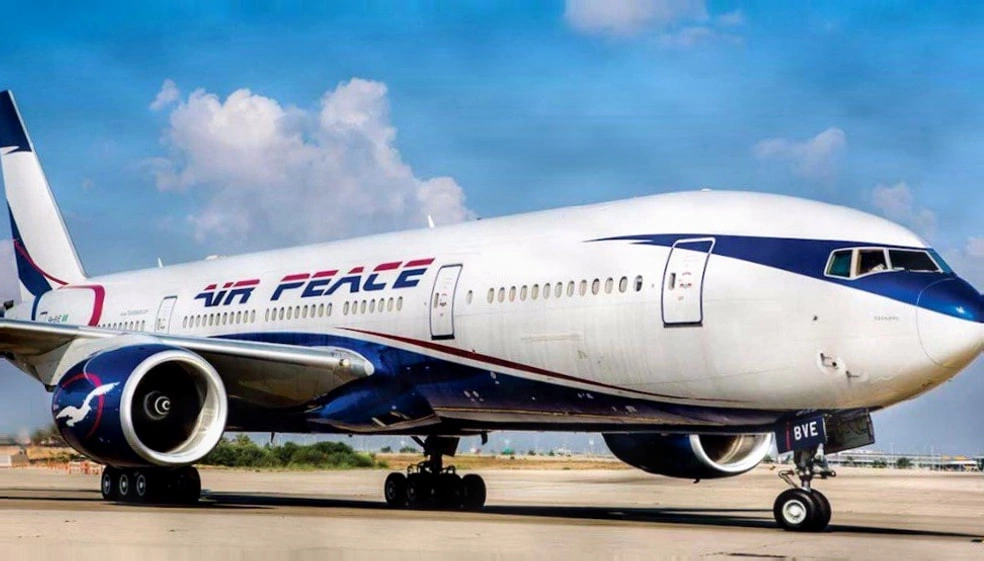
Currently, one-way fares from Lagos to Abuja or from Abuja to Lagos have risen by approximately 300%, with average ticket prices exceeding ₦150,000.
In December, one-way ticket prices from Lagos to Abuja were as follows: Air Peace ranged from N125,000 to N168,000; Ibom Air from N152,000 to N171,000; Max Air from N115,000 to N140,000; ValueJet from N145,000 to N189,000; Aero Contractors from N135,000 to N162,000.
The sharp rise in ticket prices is primarily due to the cost of Jet A1 fuel, which has increased from previous prices to around ₦1,500 to ₦1,600 per liter. Fuel costs account for 30% to 40% of airlines' operating expenses, thus directly impacting ticket pricing.